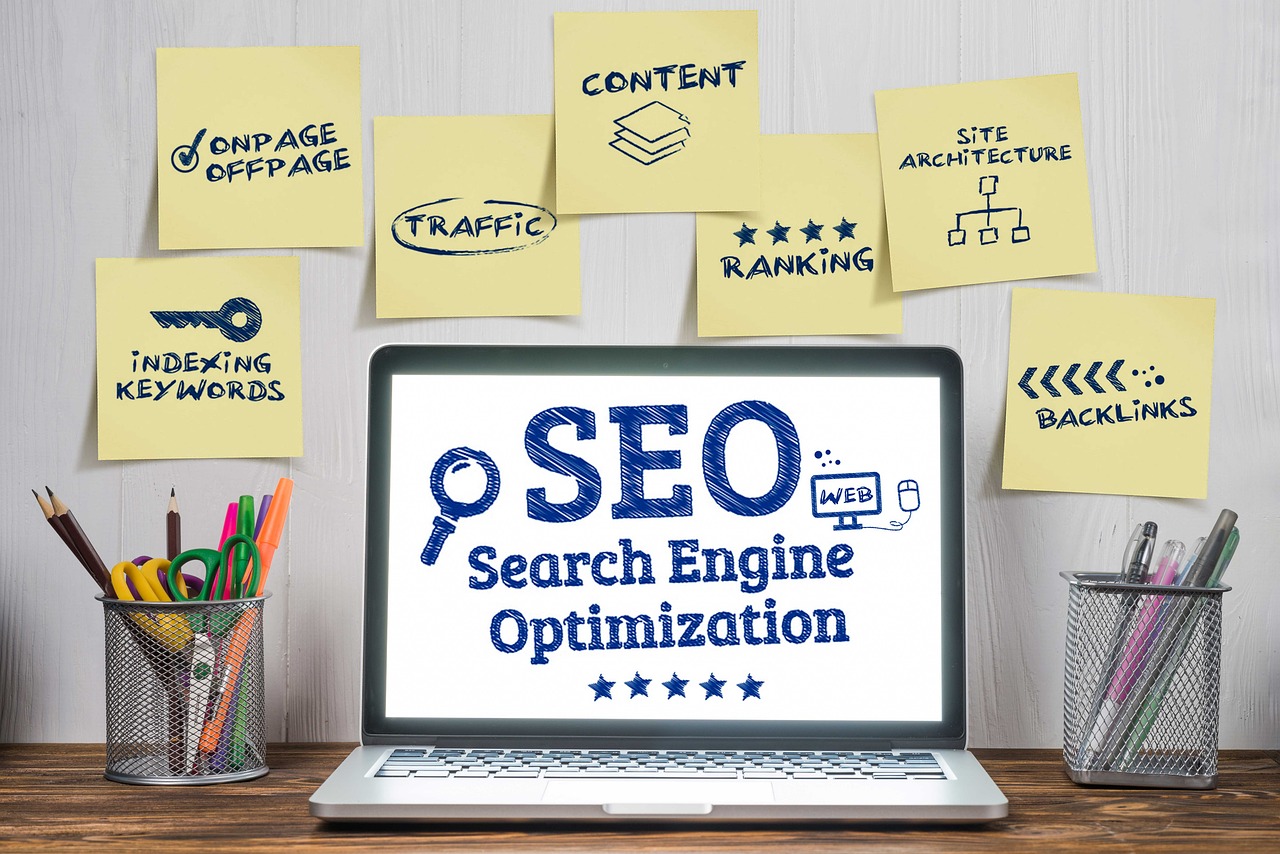
For someone who has just discovered the topic of SEO and marketing, it can seem overwhelming at first, but understanding its basics is crucial in today’s digital age. The reason this topic is gaining so much attention right now is that more and more businesses are moving online, and to succeed, they need to be visible to their potential customers. SEO, or search engine optimization, and marketing are key to achieving this visibility. Without a strong online presence, businesses can miss out on a significant amount of potential revenue. As the world becomes increasingly digital, the importance of SEO and marketing will only continue to grow. In fact, studies have shown that businesses that invest in SEO and marketing see a substantial increase in their online traffic and sales.
📝 Contents
Defining SEO and Marketing
SEO and marketing are related but distinct concepts – SEO (search engine optimization) refers to the process of improving the visibility and ranking of a website in search engine results pages (SERPs) through various techniques, such as using specific keywords (words or phrases that people might enter into a search engine to find content like yours), while marketing encompasses a broader range of activities aimed at promoting a product, service, or brand to potential customers, including digital marketing (using digital channels like search engines, social media, email, and websites to promote a product or service). To break it down simply, think of SEO as a way to get your website to show up near the top of the list when someone searches for something related to your business, and marketing as the overall strategy to attract and engage with your target audience.
| Term | Plain-English Meaning |
|---|---|
| SEO | A way to improve your website’s visibility in search engine results. |
| Marketing | The process of promoting and selling products or services. |
| Keyword | A word or phrase used in search engines to find specific content. |
| Digital Marketing | Using digital channels to promote products or services. |
| SERPs | The pages that appear after you search for something online, showing relevant results. |
| Target Audience | The group of people your business aims to sell to or interact with. |
Why SEO and Marketing Matters
SEO and marketing are crucial for businesses because they help increase online visibility, drive more website traffic, and ultimately lead to higher sales. When a business has a strong online presence, it can reach a wider audience, compete more effectively with larger competitors, and build brand awareness. For example, a study found that 75% of people never scroll past the first page of search engine results, highlighting the importance of SEO in getting your business noticed. Moreover, SEO and marketing are not just for large corporations; small businesses and startups can also benefit significantly by investing in these strategies.
Another reason SEO and marketing matter is that they provide measurable results. Unlike traditional forms of advertising, digital marketing allows businesses to track the effectiveness of their campaigns, making it easier to adjust strategies and allocate budgets more efficiently. For instance, with SEO, businesses can monitor their website’s ranking for specific keywords, the number of visitors, and the conversion rate (the percentage of visitors who complete a desired action, such as making a purchase), giving them valuable insights into what works and what doesn’t. provide measurable results
In real-world scenarios, the impact of SEO and marketing can be seen in the success stories of businesses that have managed to increase their online presence significantly. For example, a local retail store might use SEO to rank higher in search results for keywords like ‘local shopping’ or ‘retail stores near me’, thereby attracting more foot traffic and sales. Similarly, a service-based business might use digital marketing to reach a wider audience, through strategies like email marketing (sending targeted messages to potential or current customers via email) or social media marketing (using social media platforms to promote a product, service, or brand).
Top SEO and Marketing Innovations to Know
1. Content Marketing
Content marketing refers to the creation and distribution of valuable, relevant, and consistent content to attract and retain a clearly defined audience. This can include blog posts, videos, podcasts, and more. To use content marketing effectively, businesses should focus on producing high-quality content that addresses the needs and interests of their target audience. For example, a business might create a series of educational videos on YouTube or write in-depth blog posts on its website to establish itself as an authority in its industry. A common beginner mistake is to prioritize quantity over quality, leading to content that fails to engage the audience.
- Strengths: Increases brand awareness, drives long-term results, and can be cost-effective.
- Helps in building trust with the target audience by providing them with useful information.
2. Search Engine Optimization (SEO)
SEO is the process of optimizing website elements to rank higher in search engine results pages (SERPs). This includes using the right keywords, optimizing images, and ensuring the website is mobile-friendly. To implement SEO, businesses should start by conducting keyword research to identify the most relevant and high-traffic keywords for their content. They should then optimize their website’s structure, content, and meta tags (information about a webpage, like its title or description, that doesn’t appear on the page itself but is used by search engines) to match these keywords. A common mistake is to over-optimize, which can lead to penalties from search engines.
- Strengths: Increases website visibility, drives organic traffic, and is a long-term strategy.
- Improves the credibility and trustworthiness of a website in the eyes of search engines and users.
3. Pay-Per-Click (PPC) Advertising
PPC advertising involves creating ads that are displayed on search engines or other websites, where the advertiser pays each time a user clicks on the ad. To use PPC effectively, businesses should carefully select their target keywords, design compelling ad copy, and set appropriate bids (the amount of money an advertiser is willing to pay for each ad click). A common beginner mistake is not setting a realistic budget, leading to overspending.
- Strengths: Provides immediate results, allows for precise targeting, and offers measurable ROI (return on investment, the profit or loss made on an investment, expressed as a percentage of the cost).
- Enables businesses to reach their target audience quickly and drive conversions.
4. Social Media Marketing
Social media marketing involves using social media platforms to promote a product, service, or brand. This can include creating and sharing content, running social media ads, and engaging with followers. To succeed in social media marketing, businesses should choose the platforms where their target audience is most active, create content that resonates with their audience, and interact regularly with their followers by responding to comments and messages. A common mistake is to spread efforts too thin across multiple platforms, resulting in a weak presence on each. Social media marketing
- Strengths: Enhances brand awareness, facilitates customer engagement, and provides a platform for customer service.
- Allows businesses to share their story, showcase their products or services, and build a community around their brand.
5. Email Marketing
Email marketing is the use of email to promote products or services. This can include newsletters, promotional emails, and automated email sequences. To use email marketing effectively, businesses should build a high-quality email list (a list of email addresses of people who have opted-in to receive emails from a business), create engaging and personalized content, and use automation tools to streamline their email campaigns. A common beginner mistake is to buy email lists instead of building them organically, leading to low engagement rates.
- Strengths: Offers high ROI, allows for personalization, and provides direct communication with customers.
- Enables businesses to nurture leads, build customer loyalty, and drive repeat business.
6. Influencer Marketing
Influencer marketing involves partnering with influencers (individuals who have a significant following on social media or blogs) to promote a product or service. To succeed in influencer marketing, businesses should select influencers whose audience aligns with their target market, ensure the influencer’s content meets their brand standards, and clearly define the terms of the partnership. A common mistake is to focus solely on the influencer’s reach, ignoring their engagement rates and audience relevance.
- Strengths: Increases brand awareness, reaches niche audiences, and lends credibility to a brand.
- Provides an opportunity for businesses to tap into the trust and loyalty that influencers have built with their followers.
7. Analytics and Reporting
Analytics and reporting involve the use of tools like Google Analytics to track website traffic, behavior, and conversion rates, and to report on the success of marketing campaigns. To use analytics effectively, businesses should set clear goals and metrics, track key performance indicators (KPIs, measurable values that demonstrate how effectively an organization is achieving key business objectives), and regularly review and adjust their marketing strategies based on the data. A common beginner mistake is not setting up analytics tools correctly, leading to inaccurate data.
- Strengths: Provides insights into customer behavior, helps in tracking ROI, and informs data-driven decisions.
- Enables businesses to identify areas for improvement, optimize their marketing efforts, and measure the effectiveness of their strategies.
| Step | What You Do | Expected Result |
|---|---|---|
| 1. Content Marketing | Create valuable content to attract and retain a clearly defined audience. | Increased brand awareness and engagement. |
| 2. SEO | Optimize website elements to rank higher in search engine results. | Improved website visibility and organic traffic. |
| 3. PPC Advertising | Create and display ads on search engines or other websites, paying for each click. | Immediate results and measurable ROI. |
| 4. Social Media Marketing | Use social media platforms to promote a product, service, or brand. | Enhanced brand awareness and customer engagement. |
| 5. Email Marketing | Use email to promote products or services and build customer relationships. | High ROI and direct communication with customers. |
| 6. Influencer Marketing | Partner with influencers to promote a product or service to their followers. | Increased brand awareness and reach to niche audiences. |
| 7. Analytics and Reporting | Track and analyze the success of marketing campaigns and report on the results. | Data-driven insights to inform future marketing strategies. |
Frequently Asked Questions
What is the Difference Between SEO and PPC?
SEO (search engine optimization) and PPC (pay-per-click) are two different approaches to online marketing. SEO focuses on optimizing a website to rank higher in search engine results pages (SERPs) organically, while PPC involves creating and displaying ads on search engines or other websites, paying for each ad click. The main difference lies in their approaches to driving traffic: SEO is a long-term strategy aimed at organic traffic, while PPC provides immediate results but requires ongoing payment for ad clicks.
How Do I Measure the Success of My Marketing Campaigns?
The success of marketing campaigns can be measured using various metrics, such as website traffic, engagement rates, conversion rates, and return on investment (ROI). Tools like Google Analytics can help track these metrics, providing insights into what works and what doesn’t, and guiding future marketing strategies. measured using various
What is the Role of Content in SEO?
Content plays a crucial role in SEO as it provides the basis for search engines to understand what a website is about and how it can be relevant to users’ search queries. High-quality, relevant, and regularly updated content can significantly improve a website’s visibility and ranking in search engine results.
How Often Should I Post on Social Media?
The frequency of social media posting depends on the platform, the audience, and the content strategy. Generally, it’s recommended to post at least once a day on platforms like Twitter, 3-5 times a week on Facebook, and 5-7 times a week on Instagram. However, quality is more important than quantity, so focusing on creating engaging and valuable content is key.
What is Influencer Marketing and How Does it Work?
Influencer marketing involves partnering with individuals who have a significant following on social media or blogs to promote a product, service, or brand. It works by leveraging the influencer’s credibility and reach to tap into their audience, increase brand awareness, and drive sales. Businesses can find influencers through research, influencer marketing platforms, or by reaching out to them directly.
Wrapping Up
SEO and marketing are essential components of any business’s online strategy, offering a wide range of tools and techniques to increase online visibility, drive more website traffic, and boost sales. By understanding and implementing these strategies, businesses can gain a competitive edge in the digital marketplace and achieve their goals. Whether through content marketing, SEO, PPC advertising, social media marketing, email marketing, influencer marketing, or analytics and reporting, there are numerous ways to approach SEO and marketing, each with its strengths and potential for growth. As the online space continues to evolve, staying informed and adapting to the latest trends and innovations in SEO and marketing will be crucial for ongoing success.
For businesses looking to enhance their online presence, it’s important to remember that SEO and marketing are long-term investments that require patience, persistence, and continuous optimization. By focusing on providing value to their target audience and staying up-to-date with the latest best practices, businesses can navigate the complex world of SEO and marketing with confidence, driving real results and achieving their online goals.
To wrap up, the world of SEO and marketing is vast and multifaceted, full of opportunities for growth and improvement. As more and more businesses move online, the importance of having a solid SEO and marketing strategy will only continue to grow, making it an exciting and rewarding field to explore and master.


Leave a Reply