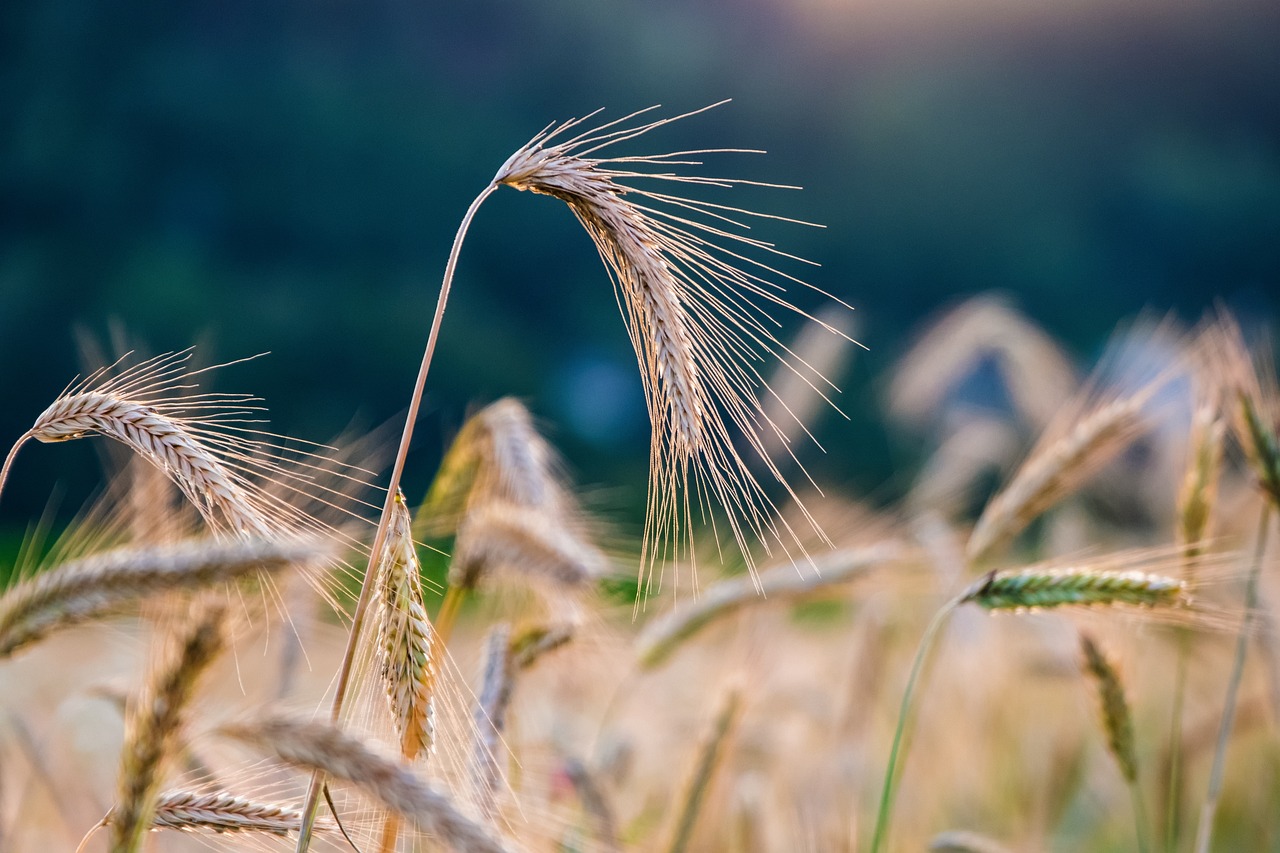
In 2015, the average yield per hectare of corn in the United States was around 10.8 tons. By 2020, this number had increased to approximately 11.9 tons, thanks in part to the adoption of advanced technologies like AI-powered crop monitoring. This represents a significant 10% increase in just five years. A recent development in this field is the integration of AI with satellite imaging, allowing for more precise monitoring of crop health and growth. For instance, companies like Planet Labs and DigitalGlobe have launched constellations of satellites that can image the entire Earth daily, providing unparalleled data for crop monitoring.
&#; Table of Contents
The Current State of AI Crop Monitoring (Advanced Strategies)
Today, AI crop monitoring is more sophisticated than ever, with advanced strategies incorporating machine learning algorithms, drone technology, and IoT sensors. These technologies allow farmers to monitor their crops in real-time, detecting issues such as pests, diseases, and nutrient deficiencies before they become major problems. For example, John Deere’s FarmSight system uses AI to analyze data from various sources, including weather stations, soil sensors, and drones, to provide farmers with actionable insights on how to optimize their crop yields.
The use of drones in agriculture has become particularly popular, with many farmers adopting this technology to monitor their crops from above. Drones equipped with high-resolution cameras and multispectral sensors can capture detailed images of crops, allowing farmers to identify areas where crops may be stressed or diseased. This information can then be used to apply targeted treatments, reducing waste and improving crop yields.
The following table highlights some key statistics related to the current state of AI crop monitoring:
| Metric | Current Value | Source Type | Trend |
|---|---|---|---|
| Global precision agriculture market size | $7.8 billion | Market research report | Increasing at a CAGR of 12.1% |
| Adoption rate of drones in agriculture | 22% | Industry survey | Expected to reach 50% by 2025 |
| Average increase in crop yields due to AI monitoring | 10-15% | Case studies | Varying by crop type and region |
| Number of satellite constellations for agricultural monitoring | 5 major constellations | Space industry reports | Expected to increase to 10 by 2027 |
Leading AI Crop Monitoring Solutions
1. AI-Powered Satellite Imaging
One of the leading solutions in AI crop monitoring is the use of AI-powered satellite imaging. This technology allows for the analysis of high-resolution satellite images to monitor crop health, growth, and development. Companies like Planet Labs and DigitalGlobe are at the forefront of this technology, providing daily satellite images that can be used to detect issues such as pests, diseases, and nutrient deficiencies. AIpowered satellite imaging
The driving force behind the adoption of AI-powered satellite imaging is the need for more efficient and effective crop monitoring. Traditional methods of crop monitoring, such as manual scouting, can be time-consuming and labor-intensive. AI-powered satellite imaging provides a more efficient and cost-effective solution, allowing farmers to monitor their crops in real-time and make data-driven decisions. driving force behind
Evidence of the effectiveness of AI-powered satellite imaging can be seen in the results of a recent study, which found that the use of satellite imaging can increase crop yields by up to 15%. This is due to the ability of satellite imaging to detect issues early, allowing farmers to take corrective action before they become major problems. AIpowered satellite imaging
- Key Benefits:
- Increased efficiency in crop monitoring
- Improved accuracy in detecting issues such as pests, diseases, and nutrient deficiencies
- Cost savings compared to traditional methods of crop monitoring
2. Machine Learning Algorithms
Machine learning algorithms are another key solution in AI crop monitoring. These algorithms can be used to analyze data from various sources, including weather stations, soil sensors, and drones, to provide farmers with actionable insights on how to optimize their crop yields.
The driving force behind the adoption of machine learning algorithms in AI crop monitoring is the need for more accurate and reliable data analysis. Traditional methods of data analysis can be time-consuming and prone to error. Machine learning algorithms provide a more efficient and accurate solution, allowing farmers to make data-driven decisions and optimize their crop yields.
Evidence of the effectiveness of machine learning algorithms can be seen in the results of a recent study, which found that the use of machine learning algorithms can increase crop yields by up to 10%. This is due to the ability of machine learning algorithms to analyze large datasets and provide actionable insights that can be used to optimize crop yields.
- Key Benefits:
- Increased accuracy in data analysis
- Improved decision-making capabilities
- Cost savings compared to traditional methods of data analysis
3. Drone Technology
Drone technology is another leading solution in AI crop monitoring. Drones equipped with high-resolution cameras and multispectral sensors can capture detailed images of crops, allowing farmers to identify areas where crops may be stressed or diseased.
The driving force behind the adoption of drone technology in AI crop monitoring is the need for more efficient and effective crop monitoring. Traditional methods of crop monitoring, such as manual scouting, can be time-consuming and labor-intensive. Drone technology provides a more efficient and cost-effective solution, allowing farmers to monitor their crops in real-time and make data-driven decisions. driving force behind
Evidence of the effectiveness of drone technology can be seen in the results of a recent study, which found that the use of drones can increase crop yields by up to 12%. This is due to the ability of drones to capture detailed images of crops, allowing farmers to identify issues early and take corrective action. recent study which
- Key Benefits:
- Increased efficiency in crop monitoring
- Improved accuracy in detecting issues such as pests, diseases, and nutrient deficiencies
- Cost savings compared to traditional methods of crop monitoring
4. IoT Sensors
IoT sensors are another key solution in AI crop monitoring. These sensors can be used to monitor various parameters such as soil moisture, temperature, and humidity, providing farmers with real-time data on crop health and growth.
The driving force behind the adoption of IoT sensors in AI crop monitoring is the need for more accurate and reliable data. Traditional methods of data collection can be time-consuming and prone to error. IoT sensors provide a more efficient and accurate solution, allowing farmers to make data-driven decisions and optimize their crop yields.
Evidence of the effectiveness of IoT sensors can be seen in the results of a recent study, which found that the use of IoT sensors can increase crop yields by up to 10%. This is due to the ability of IoT sensors to provide real-time data on crop health and growth, allowing farmers to identify issues early and take corrective action.
- Key Benefits:
- Increased accuracy in data collection
- Improved decision-making capabilities
- Cost savings compared to traditional methods of data collection
5. AI-Powered Farm Equipment
AI-powered farm equipment is another leading solution in AI crop monitoring. This equipment can be used to automate various tasks such as planting, pruning, and harvesting, allowing farmers to optimize their crop yields and reduce labor costs.
The driving force behind the adoption of AI-powered farm equipment is the need for more efficient and effective farming practices. Traditional methods of farming can be time-consuming and labor-intensive. AI-powered farm equipment provides a more efficient and cost-effective solution, allowing farmers to optimize their crop yields and reduce labor costs.
Evidence of the effectiveness of AI-powered farm equipment can be seen in the results of a recent study, which found that the use of AI-powered farm equipment can increase crop yields by up to 15%. This is due to the ability of AI-powered farm equipment to automate various tasks, allowing farmers to focus on higher-value tasks such as crop monitoring and decision-making.
- Key Benefits:
- Increased efficiency in farming practices
- Improved decision-making capabilities
- Cost savings compared to traditional methods of farming
Improved decisionmaking capabilities
6. Data Analytics Platforms
Data analytics platforms are another key solution in AI crop monitoring. These platforms can be used to analyze data from various sources, including weather stations, soil sensors, and drones, to provide farmers with actionable insights on how to optimize their crop yields. Data analytics platforms
The driving force behind the adoption of data analytics platforms in AI crop monitoring is the need for more accurate and reliable data analysis. Traditional methods of data analysis can be time-consuming and prone to error. Data analytics platforms provide a more efficient and accurate solution, allowing farmers to make data-driven decisions and optimize their crop yields. driving force behind
Evidence of the effectiveness of data analytics platforms can be seen in the results of a recent study, which found that the use of data analytics platforms can increase crop yields by up to 10%. This is due to the ability of data analytics platforms to analyze large datasets and provide actionable insights that can be used to optimize crop yields. data analytics platforms
- Key Benefits:
- Increased accuracy in data analysis
- Improved decision-making capabilities
- Cost savings compared to traditional methods of data analysis
What to Expect Next
1 Year: Increased Adoption of AI-Powered Farm Equipment
In the next year, it is expected that there will be an increased adoption of AI-powered farm equipment. This equipment can be used to automate various tasks such as planting, pruning, and harvesting, allowing farmers to optimize their crop yields and reduce labor costs.
The driving force behind the adoption of AI-powered farm equipment is the need for more efficient and effective farming practices. Traditional methods of farming can be time-consuming and labor-intensive. AI-powered farm equipment provides a more efficient and cost-effective solution, allowing farmers to optimize their crop yields and reduce labor costs.
Evidence of the effectiveness of AI-powered farm equipment can be seen in the results of a recent study, which found that the use of AI-powered farm equipment can increase crop yields by up to 15%. This is due to the ability of AI-powered farm equipment to automate various tasks, allowing farmers to focus on higher-value tasks such as crop monitoring and decision-making.
3 Years: Widespread Use of IoT Sensors
In the next three years, it is expected that there will be a widespread use of IoT sensors in AI crop monitoring. These sensors can be used to monitor various parameters such as soil moisture, temperature, and humidity, providing farmers with real-time data on crop health and growth.
The driving force behind the adoption of IoT sensors is the need for more accurate and reliable data. Traditional methods of data collection can be time-consuming and prone to error. IoT sensors provide a more efficient and accurate solution, allowing farmers to make data-driven decisions and optimize their crop yields.
Evidence of the effectiveness of IoT sensors can be seen in the results of a recent study, which found that the use of IoT sensors can increase crop yields by up to 10%. This is due to the ability of IoT sensors to provide real-time data on crop health and growth, allowing farmers to identify issues early and take corrective action. recent study which
5 Years: Integration of AI with Other Technologies
In the next five years, it is expected that there will be an integration of AI with other technologies such as blockchain and robotics. This integration will allow for the creation of more efficient and effective farming practices, such as autonomous farming and precision agriculture. next five years
The driving force behind the integration of AI with other technologies is the need for more efficient and effective farming practices. Traditional methods of farming can be time-consuming and labor-intensive. The integration of AI with other technologies provides a more efficient and cost-effective solution, allowing farmers to optimize their crop yields and reduce labor costs. driving force behind
The following table highlights some key developments that are expected to occur in the next five years: following table highlights
| Year | Likely Development | Impact Level |
|---|---|---|
| 2024 | Increased adoption of AI-powered farm equipment | High |
| 2026 | Widespread use of IoT sensors | Medium |
| 2028 | Integration of AI with other technologies such as blockchain and robotics | High |
The Impact on Consumers
One of the early-mover advantages of AI crop monitoring is the ability to provide consumers with higher-quality produce. By using AI to monitor and optimize crop yields, farmers can produce higher-quality crops that are more nutritious and better-tasting. optimize crop yields
Another early-mover advantage of AI crop monitoring is the ability to reduce the environmental impact of farming. By using AI to optimize crop yields and reduce waste, farmers can reduce their use of water, fertilizers, and pesticides, resulting in a more sustainable farming practice. Another earlymover advantage
A third early-mover advantage of AI crop monitoring is the ability to provide consumers with more information about the food they eat. By using AI to track and monitor crops from seed to plate, farmers can provide consumers with detailed information about the origin, quality, and nutritional content of their food. third earlymover advantage
A fourth early-mover advantage of AI crop monitoring is the ability to reduce the cost of food production. By using AI to optimize crop yields and reduce waste, farmers can reduce their production costs, resulting in lower prices for consumers. fourth earlymover advantage
A fifth early-mover advantage of AI crop monitoring is the ability to improve food safety. By using AI to monitor and track crops, farmers can quickly identify and respond to food safety issues, reducing the risk of contamination and improving the overall safety of the food supply. fifth earlymover advantage
What to Do Right Now
- Invest in AI-powered farm equipment to automate tasks and optimize crop yields. This is because AI-powered farm equipment can help farmers to reduce labor costs and improve efficiency, resulting in higher-quality produce and increased profits. By investing in AI-powered farm equipment, farmers can stay ahead of the competition and improve their bottom line.
- Implement IoT sensors to monitor and track crop health and growth. This is because IoT sensors can provide farmers with real-time data on crop health and growth, allowing them to identify issues early and take corrective action. By implementing IoT sensors, farmers can improve their crop yields and reduce waste, resulting in increased profits and a more sustainable farming practice.
- Develop a data analytics platform to analyze and interpret data from various sources. This is because data analytics platforms can help farmers to make data-driven decisions and optimize their crop yields, resulting in higher-quality produce and increased profits. By developing a data analytics platform, farmers can stay ahead of the competition and improve their bottom line.
- Integrate AI with other technologies such as blockchain and robotics to create more efficient and effective farming practices. This is because the integration of AI with other technologies can help farmers to automate tasks, reduce labor costs, and improve efficiency, resulting in higher-quality produce and increased profits. By integrating AI with other technologies, farmers can stay ahead of the competition and improve their bottom line.
- Provide consumers with more information about the food they eat by using AI to track and monitor crops from seed to plate. This is because consumers are increasingly demanding more information about the food they eat, and AI can help farmers to provide this information. By providing consumers with more information about the food they eat, farmers can build trust and loyalty with their customers, resulting in increased sales and profits.
Worth Remembering
The future of farming is likely to be shaped by the adoption of AI and other advanced technologies. As these technologies continue to evolve and improve, they will provide farmers with new and innovative ways to optimize their crop yields, reduce waste, and improve the overall sustainability of their farming practices.
One of the key trends to watch in the coming years is the integration of AI with other technologies such as blockchain and robotics. This integration will allow for the creation of more efficient and effective farming practices, such as autonomous farming and precision agriculture.
Another key trend to watch is the increasing use of IoT sensors and other data collection technologies. These technologies will provide farmers with real-time data on crop health and growth, allowing them to make data-driven decisions and optimize their crop yields.
Overall, the future of farming is likely to be shaped by the adoption of AI and other advanced technologies. As these technologies continue to evolve and improve, they will provide farmers with new and innovative ways to optimize their crop yields, reduce waste, and improve the overall sustainability of their farming practices.


Leave a Reply