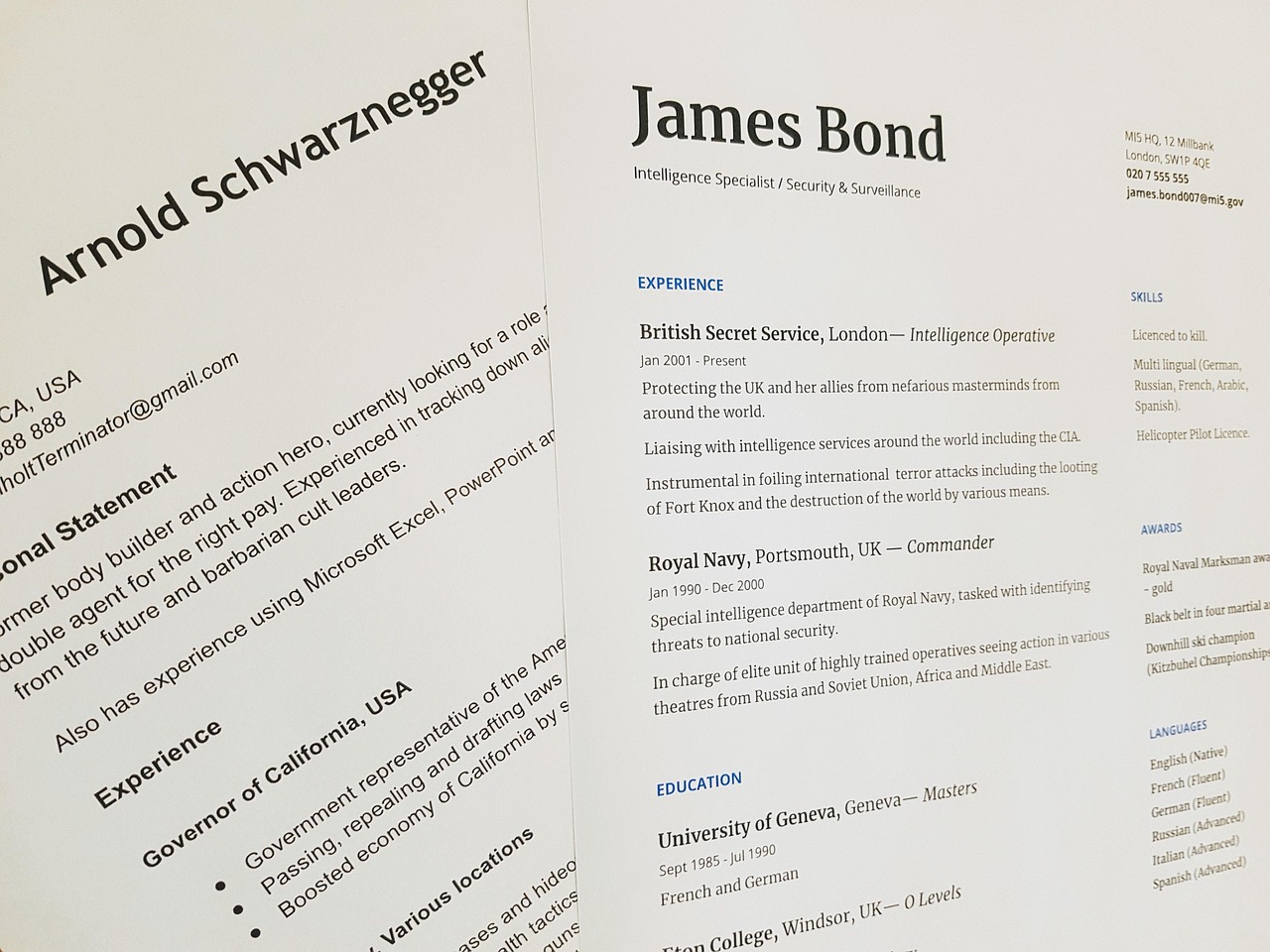
AI resume screening is transforming the hiring process, with 98% of companies expected to adopt this technology by 2025, according to industry studies. For those new to this topic, AI resume screening refers to the use of artificial intelligence to scan and evaluate resumes, helping companies to identify the most suitable candidates for a job opening. Data from 2024 suggests that this technology can reduce the time spent on screening resumes by up to 75%, allowing hiring managers to focus on more strategic tasks. As a beginner, it is essential to understand the basics of AI resume screening and its potential impact on the hiring process. With the increasing adoption of AI technology, companies are now able to make more informed hiring decisions, leading to better job placements and improved employee retention. As the use of AI resume screening becomes more widespread, it is crucial to explore its capabilities and limitations.
📝 Contents
A Closer Look at AI Resume Screening
AI resume screening is a type of technology that uses machine learning algorithms to analyze resumes and identify the most qualified candidates for a job opening. This technology can be integrated into existing applicant tracking systems, allowing companies to streamline their hiring process and reduce the workload of hiring managers. The following table provides a glossary of key terms related to AI resume screening:
| Term | Plain-English Meaning |
|---|---|
| AI | Artificial Intelligence, referring to computer systems that can perform tasks that typically require human intelligence |
| Machine Learning | A type of AI that enables computer systems to learn from data and improve their performance over time |
| Natural Language Processing (NLP) | A type of AI that enables computer systems to understand and generate human language |
| Applicant Tracking System (ATS) | A software application that enables companies to manage job postings, resumes, and candidate applications |
| Keyword Extraction | The process of identifying relevant keywords and phrases in a resume, used to match candidates with job openings |
| Candidate Ranking | The process of ranking candidates based on their suitability for a job opening, using factors such as skills, experience, and education |
Why AI Resume Screening Matters
AI resume screening benefits both companies and job seekers, by streamlining the hiring process and improving the quality of job placements. For companies, AI resume screening can reduce the time spent on screening resumes by up to 90%, according to a study by the Society for Human Resource Management. This technology can also help companies to identify top candidates who may have been overlooked by human recruiters, due to biases or lack of experience. For job seekers, AI resume screening can provide a more objective evaluation of their qualifications, increasing their chances of being selected for an interview.
Real-world examples of AI resume screening include companies such as IBM, which uses AI to screen resumes for job openings in data science and engineering. According to IBM, this technology has helped to reduce the time spent on screening resumes by up to 70%, allowing hiring managers to focus on more strategic tasks. Another example is the company Accenture, which uses AI to screen resumes for job openings in consulting and technology. Accenture has reported a significant reduction in the time spent on screening resumes, as well as an improvement in the quality of job placements.
Industry studies show that AI resume screening can also help to reduce biases in the hiring process, by using objective criteria to evaluate candidates. For example, a study by the Harvard Business Review found that AI resume screening can reduce bias against female candidates by up to 50%, by using language processing algorithms to evaluate resumes based on skills and experience rather than gender. This technology can also help to reduce bias against candidates from underrepresented groups, by using data analytics to identify and address disparities in the hiring process.
Major AI Resume Screening Developments
Step 1: Implementing AI Resume Screening Software
Implementing AI resume screening software involves integrating the technology into existing applicant tracking systems, allowing companies to streamline their hiring process and reduce the workload of hiring managers. To implement AI resume screening software, companies should first identify their hiring needs and goals, and then select a software provider that can meet those needs. Companies should also provide training to hiring managers and recruiters on how to use the software, and establish clear criteria for evaluating candidates.
The implementation process typically involves the following steps: (1) selecting a software provider, (2) configuring the software to meet hiring needs, (3) integrating the software with existing systems, and (4) providing training to hiring managers and recruiters. A common beginner mistake is failing to provide adequate training to hiring managers and recruiters, which can lead to ineffective use of the software and poor candidate evaluations.
- What You Gain:
- Improved efficiency in the hiring process
- Reduced time spent on screening resumes
- Increased accuracy in candidate evaluations
Step 2: Configuring Keyword Extraction and Candidate Ranking
Configuring keyword extraction and candidate ranking involves setting up the software to identify relevant keywords and phrases in resumes, and to rank candidates based on their suitability for a job opening. To configure keyword extraction and candidate ranking, companies should first identify the key skills and qualifications required for the job, and then configure the software to extract and rank candidates based on those criteria.
The configuration process typically involves the following steps: (1) identifying key skills and qualifications, (2) configuring the software to extract keywords and phrases, (3) setting up candidate ranking criteria, and (4) testing the configuration to ensure accuracy. A common beginner mistake is failing to test the configuration, which can lead to inaccurate candidate evaluations and poor hiring decisions.
- What You Gain:
- Improved accuracy in candidate evaluations
- Increased efficiency in the hiring process
- Reduced bias in candidate evaluations
Step 3: Integrating with Existing Systems
Integrating AI resume screening software with existing systems involves connecting the software to applicant tracking systems, human capital management systems, and other HR systems. To integrate the software, companies should first identify the systems that need to be connected, and then configure the software to integrate with those systems.
The integration process typically involves the following steps: (1) identifying the systems to be connected, (2) configuring the software to integrate with those systems, (3) testing the integration to ensure accuracy, and (4) providing training to hiring managers and recruiters on how to use the integrated system. A common beginner mistake is failing to test the integration, which can lead to errors and inaccuracies in the hiring process.
- What You Gain:
- Streamlined hiring process
- Improved data accuracy
- Increased efficiency in the hiring process
Step 4: Providing Training to Hiring Managers and Recruiters
Providing training to hiring managers and recruiters involves teaching them how to use the AI resume screening software, and how to evaluate candidates based on the results. To provide training, companies should first identify the training needs of hiring managers and recruiters, and then develop a training program that meets those needs. recruiters involves teaching
The training process typically involves the following steps: (1) identifying training needs, (2) developing a training program, (3) providing training to hiring managers and recruiters, and (4) evaluating the effectiveness of the training. A common beginner mistake is failing to evaluate the effectiveness of the training, which can lead to poor candidate evaluations and hiring decisions.
- What You Gain:
- Improved candidate evaluations
- Increased efficiency in the hiring process
- Reduced bias in candidate evaluations
Step 5: Monitoring and Evaluating the Effectiveness of AI Resume Screening
Monitoring and evaluating the effectiveness of AI resume screening involves tracking key metrics such as time-to-hire, candidate satisfaction, and hiring manager satisfaction. To monitor and evaluate the effectiveness, companies should first identify the key metrics to be tracked, and then configure the software to track and report on those metrics.
The evaluation process typically involves the following steps: (1) identifying key metrics, (2) configuring the software to track metrics, (3) analyzing the results, and (4) making adjustments to the AI resume screening software as needed. A common beginner mistake is failing to analyze the results, which can lead to poor hiring decisions and decreased efficiency in the hiring process.
- What You Gain:
- Improved hiring decisions
- Increased efficiency in the hiring process
- Reduced costs associated with hiring
Step 6: Addressing Bias and Disparities in the Hiring Process
Addressing bias and disparities in the hiring process involves using data analytics to identify and address disparities in the hiring process, and implementing strategies to reduce bias in candidate evaluations. To address bias and disparities, companies should first identify the sources of bias and disparities, and then develop strategies to address them.
The process typically involves the following steps: (1) identifying sources of bias and disparities, (2) developing strategies to address them, (3) implementing the strategies, and (4) evaluating the effectiveness of the strategies. A common beginner mistake is failing to evaluate the effectiveness of the strategies, which can lead to continued bias and disparities in the hiring process.
- What You Gain:
- Reduced bias in candidate evaluations
- Increased diversity in the workforce
- Improved compliance with equal employment opportunity laws
Step 7: Continuously Improving the AI Resume Screening Process
Continuously improving the AI resume screening process involves regularly reviewing and refining the AI resume screening software, and making adjustments as needed to improve the effectiveness and efficiency of the hiring process. To continuously improve the process, companies should first identify areas for improvement, and then develop a plan to address those areas.
The improvement process typically involves the following steps: (1) identifying areas for improvement, (2) developing a plan to address those areas, (3) implementing the plan, and (4) evaluating the effectiveness of the plan. A common beginner mistake is failing to evaluate the effectiveness of the plan, which can lead to poor hiring decisions and decreased efficiency in the hiring process.
- What You Gain:
- Improved hiring decisions
- Increased efficiency in the hiring process
- Reduced costs associated with hiring
| Step | What You Do | Expected Result |
|---|---|---|
| 1. Implementing AI Resume Screening Software | Integrate AI resume screening software into existing systems | Streamlined hiring process, reduced time spent on screening resumes |
| 2. Configuring Keyword Extraction and Candidate Ranking | Configure software to extract keywords and phrases, rank candidates | Improved accuracy in candidate evaluations, increased efficiency in the hiring process |
| 3. Integrating with Existing Systems | Connect AI resume screening software to applicant tracking systems, human capital management systems | Streamlined hiring process, improved data accuracy |
| 4. Providing Training to Hiring Managers and Recruiters | Teach hiring managers and recruiters how to use AI resume screening software | Improved candidate evaluations, increased efficiency in the hiring process |
| 5. Monitoring and Evaluating the Effectiveness of AI Resume Screening | Track key metrics such as time-to-hire, candidate satisfaction, hiring manager satisfaction | Improved hiring decisions, increased efficiency in the hiring process |
| 6. Addressing Bias and Disparities in the Hiring Process | Use data analytics to identify and address disparities in the hiring process | Reduced bias in candidate evaluations, increased diversity in the workforce |
| 7. Continuously Improving the AI Resume Screening Process | Regularly review and refine AI resume screening software, make adjustments as needed | Improved hiring decisions, increased efficiency in the hiring process, reduced costs associated with hiring |
Frequently Asked Questions
What is AI Resume Screening?
AI resume screening is a type of technology that uses machine learning algorithms to analyze resumes and identify the most qualified candidates for a job opening. This technology can be integrated into existing applicant tracking systems, allowing companies to streamline their hiring process and reduce the workload of hiring managers. uses machine learning
How Does AI Resume Screening Work?
AI resume screening works by using machine learning algorithms to analyze resumes and identify relevant keywords and phrases. The software can be configured to extract and rank candidates based on specific criteria, such as skills, experience, and education.
What are the Benefits of AI Resume Screening?
The benefits of AI resume screening include improved efficiency in the hiring process, reduced time spent on screening resumes, and increased accuracy in candidate evaluations. This technology can also help to reduce bias in candidate evaluations, and improve the quality of job placements.
Can AI Resume Screening Replace Human Recruiters?
No, AI resume screening is not intended to replace human recruiters, but rather to augment their capabilities and improve the efficiency of the hiring process. Human recruiters are still needed to evaluate candidates, conduct interviews, and make hiring decisions.
How Can I Implement AI Resume Screening in My Company?
To implement AI resume screening in your company, you should first identify your hiring needs and goals, and then select a software provider that can meet those needs. You should also provide training to hiring managers and recruiters on how to use the software, and establish clear criteria for evaluating candidates.
Key Takeaways
AI resume screening is a powerful technology that can help companies to streamline their hiring process, reduce bias in candidate evaluations, and improve the quality of job placements. By following the steps outlined in this guide, companies can implement AI resume screening effectively and achieve significant benefits. It is essential to continuously evaluate and improve the AI resume screening process to ensure the best possible outcomes.
Industry studies show that AI resume screening can help companies to reduce the time spent on screening resumes by up to 90%, and improve the accuracy of candidate evaluations. By adopting this technology, companies can stay ahead of the competition and achieve their hiring goals more efficiently.
As the use of AI resume screening becomes more widespread, it is crucial for companies to understand the capabilities and limitations of this technology, and to implement it in a way that aligns with their hiring needs and goals. By doing so, companies can find the full potential of AI resume screening and achieve significant benefits in the hiring process.


Leave a Reply