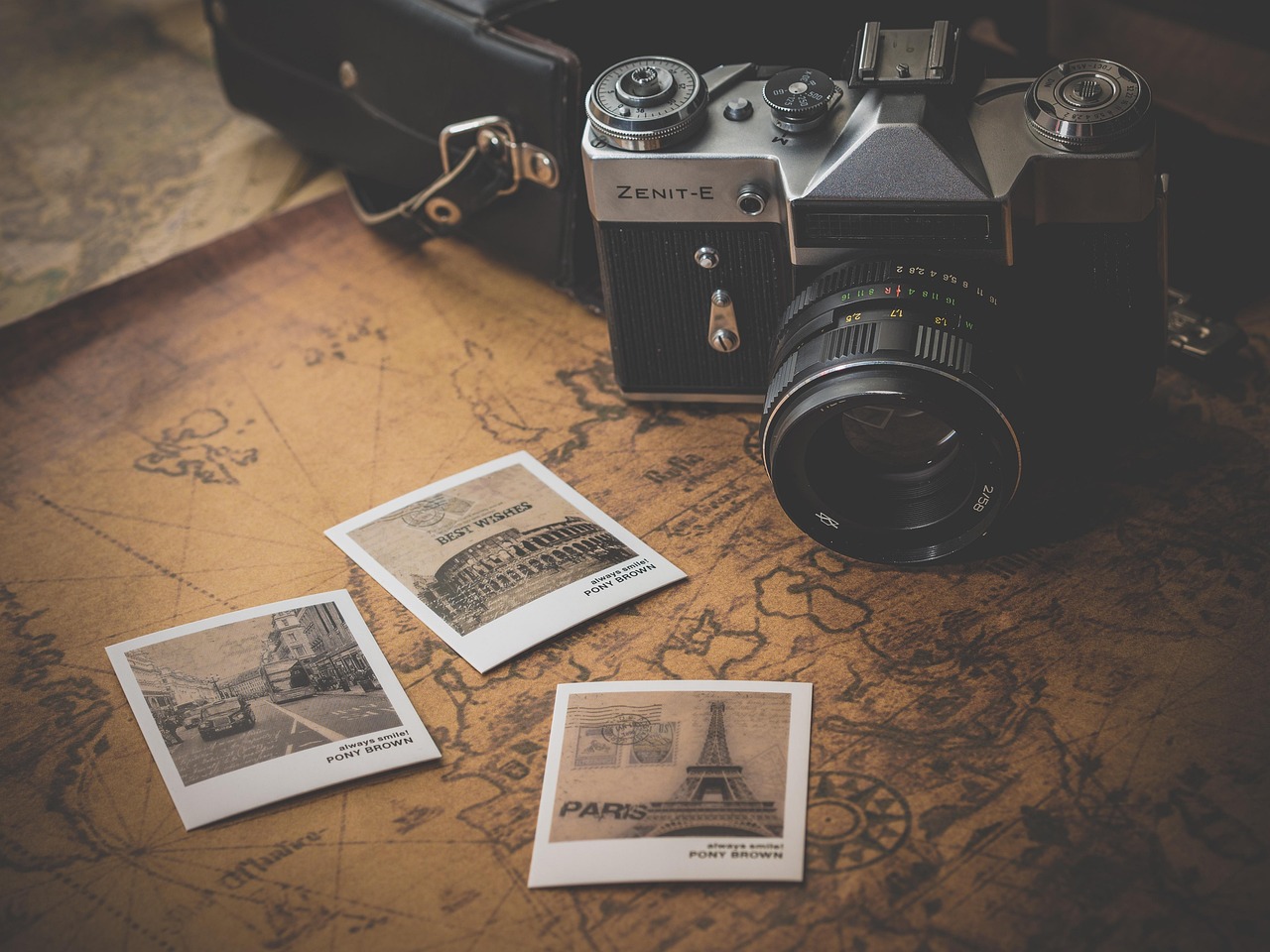
For those just discovering the world of photography, a surprising statistic is that over 1.2 trillion photos are taken every year, with a significant portion being travel-related. Yet, only a small fraction of these photos truly capture the atmosphere of a place. Atmospheric travel photos are not just about visually pleasing images; they evoke emotions and inspire others to explore. As a beginner, understanding what makes these photos special is crucial. Atmospheric travel photos can make any destination look appealing. The key to taking such photos lies in understanding the elements that contribute to the atmosphere of a place.
📝 Table of Contents
Defining Atmospheric Travel Photos
Atmospheric travel photos are images that capture the mood, feeling, and essence of a place. They are not just about the visual elements but also about conveying the emotional and sensory experiences associated with a location. These photos can make viewers feel as though they are part of the scene, experiencing the sights, sounds, and even smells of the place.
| Term | Plain-English Meaning |
|---|---|
| Aperture | The aperture refers to the opening of the camera lens, which controls the amount of light that enters the camera. |
| Composition | Composition is about the arrangement of elements within a photo to create a visually appealing image. |
| Golden Hour | The golden hour is the period shortly after sunrise or before sunset when the light takes on a warm, golden hue. |
| ISO | ISO refers to the sensitivity of the camera’s sensor to light, with lower ISOs used in bright conditions and higher ISOs in low light. |
| Shutter Speed | Shutter speed is the length of time the camera’s shutter is open, with faster speeds freezing motion and slower speeds creating blur. |
| Atmosphere | In photography, atmosphere refers to the mood or feeling conveyed by an image, often achieved through the use of light, color, and composition. |
Why Atmospheric Travel Photos Matter
Atmospheric travel photos benefit not just the traveler who captures them but also the viewer who experiences the destination through these images. For travelers, taking atmospheric photos can enhance their travel experience, encouraging them to slow down, observe their surroundings more closely, and truly immerse themselves in the local culture. For viewers, these photos can inspire travel plans, provide insights into different cultures, and offer a glimpse into parts of the world they may never visit in person.
A real-world impact of atmospheric travel photos can be seen in how they influence travel decisions. According to a survey, over 70% of travelers use social media for travel inspiration, with visually appealing and atmospheric photos being a significant factor in their choices. This not only impacts the travel industry but also local economies, as destinations that are beautifully represented through photography are more likely to attract visitors.
Furthermore, atmospheric travel photos have the power to preserve memories and tell stories of places and cultures. With the world changing rapidly, these photos can serve as a time capsule, documenting the present for future generations. For instance, photos of bustling city streets, serene landscapes, or vibrant markets not only capture the aesthetic appeal of these places but also convey the energy, tranquility, or dynamism of the environment, making them invaluable historical records.
Leading Atmospheric Travel Photo Solutions
1. Understanding Your Camera
Understanding your camera is the first step to taking better photos. This involves knowing how to use the manual settings such as aperture, shutter speed, and ISO. Each of these settings can dramatically affect the outcome of your photos, allowing you to control the depth of field, motion, and light exposure. For example, using a low aperture (like f/2.8) can create a shallow depth of field, blurring the background and emphasizing your subject.
To use these settings effectively, practice is key. Start by experimenting with different settings in various conditions to see how they affect your photos. A common beginner mistake is not adjusting the ISO according to the lighting conditions, which can lead to overly bright or too dark images. these settings effectively
- Strengths:
- Allows for better control over the photo’s outcome
- Enables the capture of high-quality images in various lighting conditions
2. Mastering Composition
Composition is about more than just placing your subject in the center of the frame. It involves considering the rule of thirds, leading lines, symmetry, and framing to create visually appealing images. For instance, using leading lines can guide the viewer’s eye to the subject, while symmetry can create a sense of order and calm.
To master composition, study the work of other photographers and practice applying different composition techniques. A common mistake is not considering the background, which can distract from the subject and diminish the photo’s impact.
- Strengths:
- Creates engaging and balanced photos
- Draws the viewer’s attention to the subject
3. Shooting During the Golden Hour
The golden hour, just before sunset or after sunrise, offers soft, warm light that can add depth and emotion to your photos. This light is particularly flattering for landscapes and portraits, as it reduces harsh shadows and creates a warm glow.
To shoot during the golden hour, plan your photo sessions accordingly, considering the time of day and the direction of the light. A beginner mistake is not adjusting the camera settings to compensate for the changing light, which can result in under or overexposed photos.
- Strengths:
- Provides a unique and warm light
- Enhances the mood and atmosphere of the photo
4. Experimenting with Different Perspectives
Experimenting with different perspectives, such as shooting from low or high angles, can add variety to your photos and create more interesting compositions. This technique can make ordinary subjects look unique and captivating. different perspectives such
To experiment with perspectives, be willing to get low or climb high to get the shot. A common mistake is being afraid to get creative with angles, sticking to the usual eye-level view.
- Strengths:
- Adds creativity to your photos
- Provides a fresh view of familiar subjects
5. Editing Your Photos
Editing is a crucial step in enhancing the atmosphere of your travel photos. It involves adjusting the exposure, contrast, and color balance to create a mood that aligns with the feeling of the place. Tools like Adobe Lightroom and Photoshop offer a wide range of editing options.
To edit effectively, understand the basics of photo editing and practice using the software. A common beginner mistake is over-editing, which can make the photo look unnatural and lose its original charm.
- Strengths:
- Enhances the mood and atmosphere of the photo
- Corrects minor flaws and improves image quality
6. Capturing the Local Culture
Capturing the local culture through your photos involves more than just taking pictures of landmarks; it’s about documenting the daily life, traditions, and people of the place. This can include photos of markets, festivals, or simply people going about their day.
To capture the local culture, immerse yourself in the community, attend local events, and engage with the people. A common mistake is being intrusive or disrespectful when taking photos of people, which can lead to negative experiences for both the photographer and the subject.
- Strengths:
- Provides a genuine representation of the place
- Allows viewers to connect with the culture on a deeper level
7. Preserving Memories
Finally, atmospheric travel photos are about preserving memories of your travels. They serve as a reminder of the places you’ve been, the people you’ve met, and the experiences you’ve had. By taking the time to capture these moments, you ensure that the memories of your travels remain vivid long after you’ve returned home.
To preserve memories through your photos, make sure to organize and backup your images regularly. A common mistake is not labeling or dating photos, making it difficult to recall the details of the trip later on.
- Strengths:
- Serves as a personal history of your travels
- Allows for easy sharing of memories with others
| Step | What You Do | Expected Result |
|---|---|---|
| 1. Understand Your Camera | Learn and practice using manual camera settings | Better control over photo quality and atmosphere |
| 2. Master Composition | Apply composition techniques like the rule of thirds and leading lines | More visually appealing and engaging photos |
| 3. Shoot During the Golden Hour | Plan photo sessions during the golden hour | Photos with warm, soft light and enhanced atmosphere |
| 4. Experiment with Perspectives | Shoot from different angles and viewpoints | Unique and captivating photos of ordinary subjects |
| 5. Edit Your Photos | Adjust exposure, contrast, and color balance to enhance the mood | Photos that better convey the atmosphere and mood of the place |
| 6. Capture the Local Culture | Document daily life, traditions, and people of the place | Authentic representation of the local culture and community |
| 7. Preserve Memories | Organize, backup, and label your photos | Easy access and sharing of travel memories |
Frequently Asked Questions
What is the Best Camera for Travel Photography?
The best camera for travel photography depends on personal preference, budget, and the type of travel. For most travelers, a mirrorless camera or a high-end smartphone camera is sufficient, offering a good balance between image quality and portability.
How Do I Protect My Camera While Traveling?
Protecting your camera while traveling involves using a sturdy camera bag, keeping it secure in crowded areas, and being mindful of weather conditions. Additionally, consider investing in travel insurance that covers your camera equipment against loss, theft, or damage.
What Are the Essential Camera Settings for Travel Photography?
The essential camera settings for travel photography include understanding how to use the aperture, shutter speed, and ISO. Knowing how to adjust these settings can help you capture high-quality images in various lighting conditions, from bright landscapes to low-light indoor scenes.
How Can I Improve My Composition Skills?
Improving your composition skills involves studying the work of other photographers, practicing regularly, and experimenting with different techniques such as the rule of thirds, leading lines, and symmetry. It also helps to take your time when composing a shot, considering the placement of elements within the frame.
Why Is Editing Important for Travel Photos?
Editing is important for travel photos because it allows you to enhance the mood and atmosphere of the image, correcting for minor flaws and improving the overall quality. It’s a crucial step in making your photos look professional and captivating, ensuring they convey the essence of your travel experiences.
Worth Remembering
Taking atmospheric travel photos is about more than just capturing visually pleasing images; it’s about conveying the essence and mood of a place. By mastering your camera, composition, and editing skills, and by being mindful of the local culture and your travel memories, you can create photos that inspire and transport viewers to new destinations.
Remember, the key to atmospheric travel photos lies in the details and the effort you put into understanding and capturing the atmosphere of a place. Whether you’re a seasoned photographer or just starting out, the path to taking breathtaking travel photos is one that requires patience, practice, and a keen eye for detail.
Lastly, atmospheric travel photos have the power to evoke emotions, inspire travel plans, and preserve memories. By focusing on capturing the atmosphere of a place, you not only create compelling images but also contribute to a broader appreciation and understanding of our diverse world.


Leave a Reply