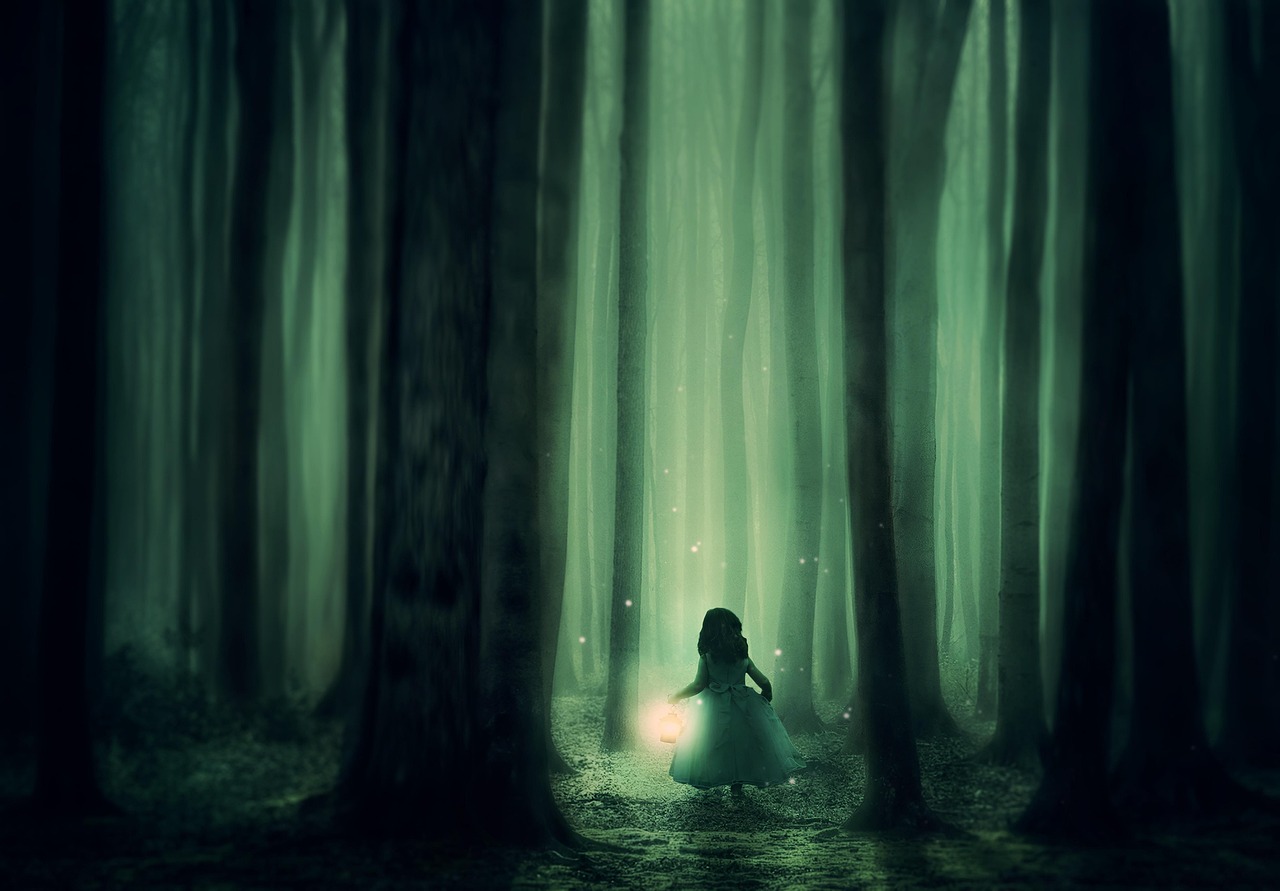
The world is full of breathtaking landscapes that seem almost otherworldly – places where the natural beauty is so unique and awe-inspiring that they leave visitors speechless. One of the most famous examples is the Glowworm Grotto in New Zealand, where thousands of glowworms light up the ceiling of a cave, creating a starry night sky effect. Similarly, the Grand Prismatic Spring in the United States is the largest hot spring in the country and is known for its vibrant colors, created by the presence of microorganisms and minerals in the water. These places are gaining attention now more than ever, as people become increasingly fascinated with exploring the natural wonders of the world. The rise of social media has also played a significant role in this phenomenon, as stunning images and videos of these landscapes are shared and inspire others to visit. As a result, the demand for otherworldly landscapes travel is on the rise. With the advancement of technology and increased accessibility, people are now able to explore and experience these surreal destinations like never before.
📝 What You'll Learn
The Basics of Otherworldly Landscapes
Otherworldly landscapes refer to natural environments that have unique and extraordinary features, such as unusual rock formations, colorful mineral deposits, or rare atmospheric phenomena – (atmospheric phenomena: events that occur in the atmosphere, such as the Northern Lights). These landscapes can be found all over the world, from the driest deserts to the deepest oceans. They are often created by a combination of geological and biological processes, such as erosion, weathering, and the presence of microorganisms. For example, the famous Pamukkale travertines in Turkey were created by the deposition of calcium carbonate from hot springs, resulting in a landscape of white, terraced pools and cascades. Another example is the Great Blue Hole in Belize, a giant underwater sinkhole that was formed by the collapse of a cave system during the last ice age – (ice age: a period of time when large parts of the Earth’s surface were covered in ice). To understand the basics of otherworldly landscapes, it’s essential to consider the geological and biological processes that shape our planet.
The study of otherworldly landscapes is an interdisciplinary field that involves geology, biology, ecology, and atmospheric science – (ecology: the study of the relationships between living organisms and their environment). By examining these landscapes, scientists can gain insights into the Earth’s history, the evolution of life, and the impact of human activities on the environment. For instance, the unique features of otherworldly landscapes can provide clues about the Earth’s past climate, the movement of tectonic plates, and the distribution of species. The following table compares some of the most famous otherworldly landscapes around the world:
| Location | Features | Formation Process |
|---|---|---|
| Glowworm Grotto, New Zealand | Glowworms, cave formations | Biological – (biological: related to living organisms) |
| Grand Prismatic Spring, United States | Colorful hot spring, microorganisms | Geochemical – (geochemical: related to the chemical composition of the Earth’s crust) |
| Pamukkale Travertines, Turkey | White terraces, hot springs | Geological – (geological: related to the study of the Earth’s physical structure) |
| Great Blue Hole, Belize | Underwater sinkhole, coral reef | Geological |
Top Otherworldly Landscapes Innovations to Know
1. Glowworm Caves
Glowworm caves are a type of otherworldly landscape that features glowworms – (glowworms: bioluminescent insects that emit light) as the main attraction. These caves can be found in various parts of the world, including New Zealand and Australia. The glowworms in these caves create a breathtaking display of light, often referred to as a ‘starry night sky’ effect. The caves themselves are often formed by limestone dissolution – (limestone dissolution: the process of limestone rocks being dissolved by acidic water), which creates a unique and fragile environment. To preserve this environment, visitors are often required to take guided tours and follow strict rules to minimize their impact. glowworms bioluminescent insects
The formation of glowworm caves involves a combination of geological and biological processes. The caves are initially formed by the dissolution of limestone rocks, which creates a network of passages and chambers. Over time, glowworms colonize these caves, and their bioluminescence creates the spectacular display of light that visitors see today. The following are some of the plus points of visiting glowworm caves:
- Plus Points: Unique display of bioluminescence, fragile and rare ecosystem, opportunity to learn about geological and biological processes
- Chance to see glowworms up close and learn about their life cycle – (life cycle: the stages of growth and development of an organism)
- Exploration of cave formations and underground landscapes
2. Colorful Hot Springs
Colorful hot springs are another type of otherworldly landscape that features vibrant colors created by the presence of microorganisms and minerals in the water. These hot springs can be found in various parts of the world, including the United States and Japan. The colors in these hot springs are often created by the presence of microorganisms, such as bacteria and algae – (algae: simple aquatic plants that are capable of photosynthesis), which produce pigments as a byproduct of their metabolism. The following are some of the plus points of visiting colorful hot springs:
The formation of colorful hot springs involves a combination of geochemical and biological processes. The hot springs are initially formed by the emergence of hot water from the Earth’s crust, which creates a unique chemical environment. Over time, microorganisms colonize this environment, and their metabolic processes create the vibrant colors that visitors see today. Some of the plus points of visiting colorful hot springs include:
- Plus Points: Vibrant colors created by microorganisms, unique chemical environment, opportunity to learn about geochemical and biological processes
- Chance to see microorganisms up close and learn about their role in creating the colors
- Relaxation and rejuvenation in a natural hot spring environment
3. Unique Rock Formations
Unique rock formations are a type of otherworldly landscape that features unusual and striking rock shapes and patterns. These formations can be found in various parts of the world, including the United States and Australia. The rock formations are often created by a combination of geological processes, such as erosion, weathering, and tectonic activity – (tectonic activity: the movement and deformation of the Earth’s crust). The following are some of the plus points of visiting unique rock formations:
The formation of unique rock formations involves a combination of geological processes that shape the Earth’s surface over millions of years. The rocks are initially formed by geological processes, such as sedimentation and igneous activity – (igneous activity: the process of magma cooling and solidifying to form rocks). Over time, the rocks are shaped by erosion, weathering, and tectonic activity, which creates the unique formations that visitors see today. Some of the plus points of visiting unique rock formations include:
- Plus Points: Unusual and striking rock shapes and patterns, opportunity to learn about geological processes, unique photographic opportunities
- Chance to see the results of millions of years of geological activity
- Exploration of rugged and scenic landscapes
4. Rare Atmospheric Phenomena
Rare atmospheric phenomena are a type of otherworldly landscape that features unusual and striking displays of light and color in the atmosphere. These phenomena can be found in various parts of the world, including the Arctic and Antarctica. The phenomena are often created by a combination of atmospheric processes, such as the scattering of light and the presence of ice crystals – (ice crystals: small, frozen particles that are suspended in the air). The following are some of the plus points of witnessing rare atmospheric phenomena:
The formation of rare atmospheric phenomena involves a combination of atmospheric processes that create the unique displays of light and color. The phenomena are often created by the interaction of sunlight with ice crystals or water droplets in the atmosphere, which scatters the light and creates the colorful displays. Some of the plus points of witnessing rare atmospheric phenomena include:
- Plus Points: Unusual and striking displays of light and color, opportunity to learn about atmospheric processes, unique photographic opportunities
- Chance to see the results of atmospheric processes that create the phenomena
- Witnessing the beauty and fragility of the Earth’s atmosphere
5. Underwater Landscapes
Underwater landscapes are a type of otherworldly landscape that features unique and striking environments beneath the surface of the ocean. These landscapes can be found in various parts of the world, including coral reefs and shipwrecks. The underwater landscapes are often created by a combination of geological and biological processes, such as the formation of coral reefs and the sinking of ships. The following are some of the plus points of exploring underwater landscapes:
The formation of underwater landscapes involves a combination of geological and biological processes that shape the seafloor over millions of years. The landscapes are often created by the interaction of geological processes, such as tectonic activity and erosion, with biological processes, such as the growth of coral reefs. Some of the plus points of exploring underwater landscapes include:
- Plus Points: Unique and striking underwater environments, opportunity to learn about geological and biological processes, chance to see marine life up close
- Exploration of shipwrecks and coral reefs
- Witnessing the beauty and diversity of marine ecosystems
Why People Are Paying Attention
✔ Unique Experiences Unique Experiences
Otherworldly landscapes offer unique and unforgettable experiences that allow visitors to connect with nature and appreciate its beauty. These experiences can range from exploring glowworm caves to witnessing rare atmospheric phenomena, and they often create lifelong memories. The unique experiences offered by otherworldly landscapes are one of the main reasons why people are paying attention to them.
✔ Educational Opportunities
Otherworldly landscapes provide opportunities for visitors to learn about geological, biological, and atmospheric processes that shape our planet. By exploring these landscapes, visitors can gain insights into the Earth’s history, the evolution of life, and the impact of human activities on the environment. The educational opportunities offered by otherworldly landscapes are another reason why people are paying attention to them.
✔ Conservation Efforts
Otherworldly landscapes often require conservation efforts to protect them from human impact and preserve their unique features. By paying attention to these landscapes, people can raise awareness about the importance of conservation and support efforts to protect them. The conservation efforts related to otherworldly landscapes are an important reason why people are paying attention to them.
✔ Tourism and Economic Benefits
Otherworldly landscapes can generate significant tourism and economic benefits for local communities. By visiting these landscapes, tourists can support local economies and contribute to the conservation efforts. The tourism and economic benefits related to otherworldly landscapes are another reason why people are paying attention to them.
✔ Scientific Research
Otherworldly landscapes often provide opportunities for scientific research and discovery. By studying these landscapes, scientists can gain insights into the Earth’s history, the evolution of life, and the impact of human activities on the environment. The scientific research related to otherworldly landscapes is an important reason why people are paying attention to them.
✔ Inspiration and Creativity
Otherworldly landscapes can inspire creativity and imagination, and they often provide a source of inspiration for artists, writers, and musicians. By visiting these landscapes, people can tap into their creative potential and find new sources of inspiration. The inspiration and creativity related to otherworldly landscapes are another reason why people are paying attention to them.
| Location | Type of Landscape | Conservation Status |
|---|---|---|
| Glowworm Grotto, New Zealand | Glowworm cave | Protected |
| Grand Prismatic Spring, United States | Colorful hot spring | Protected |
| Pamukkale Travertines, Turkey | Unique rock formation | Protected |
| Great Blue Hole, Belize | Underwater sinkhole | Protected |
What’s Coming
- Predicted increase in tourism to otherworldly landscapes, driven by social media and growing interest in unique experiences
- Advances in technology, such as virtual reality and drone photography, that will allow people to experience otherworldly landscapes in new and innovative ways
- Increased focus on conservation and sustainability, driven by growing awareness of the impact of human activities on the environment
- Greater recognition of the cultural and spiritual significance of otherworldly landscapes, and efforts to preserve and protect them
- More scientific research and discovery, driven by the unique features and processes of otherworldly landscapes
This increase in tourism is expected to have both positive and negative impacts on local communities and the environment. On the one hand, tourism can generate significant economic benefits and support conservation efforts. On the other hand, it can also lead to overcrowding, pollution, and degradation of the landscapes. As a result, it’s essential to develop sustainable tourism practices that balance the needs of local communities, the environment, and tourists. have both positive
These advances in technology will provide new opportunities for people to explore and appreciate otherworldly landscapes, even if they are unable to visit them in person. Virtual reality experiences, for example, can allow people to explore landscapes in a fully immersive environment, while drone photography can provide stunning aerial views of the landscapes. As a result, people will be able to experience and appreciate otherworldly landscapes in ways that were previously impossible.
This increased focus on conservation and sustainability is essential for protecting otherworldly landscapes and preserving their unique features. By adopting sustainable practices and reducing our impact on the environment, we can help to ensure that these landscapes are preserved for future generations. This will require a concerted effort from governments, local communities, and individuals, but the benefits will be well worth it.
Many otherworldly landscapes have significant cultural and spiritual importance, and it’s essential to recognize and respect this. By preserving and protecting these landscapes, we can help to preserve the cultural and spiritual heritage of local communities, and ensure that these landscapes continue to inspire and educate people for generations to come.
This scientific research and discovery will help us to better understand the Earth’s history, the evolution of life, and the impact of human activities on the environment. By studying otherworldly landscapes, scientists can gain insights into the geological, biological, and atmospheric processes that shape our planet, and develop new theories and models to explain these processes.
What It All Means
Otherworldly landscapes are unique and fascinating environments that offer a range of experiences and opportunities for visitors. From the breathtaking displays of bioluminescence in glowworm caves to the vibrant colors of hot springs, these landscapes inspire a sense of wonder and awe in all who visit them. By exploring and appreciating these landscapes, we can gain a deeper understanding of the Earth’s history, the evolution of life, and the impact of human activities on the environment. Ultimately, otherworldly landscapes remind us of the beauty, diversity, and complexity of our planet, and inspire us to protect and preserve them for future generations.


Leave a Reply