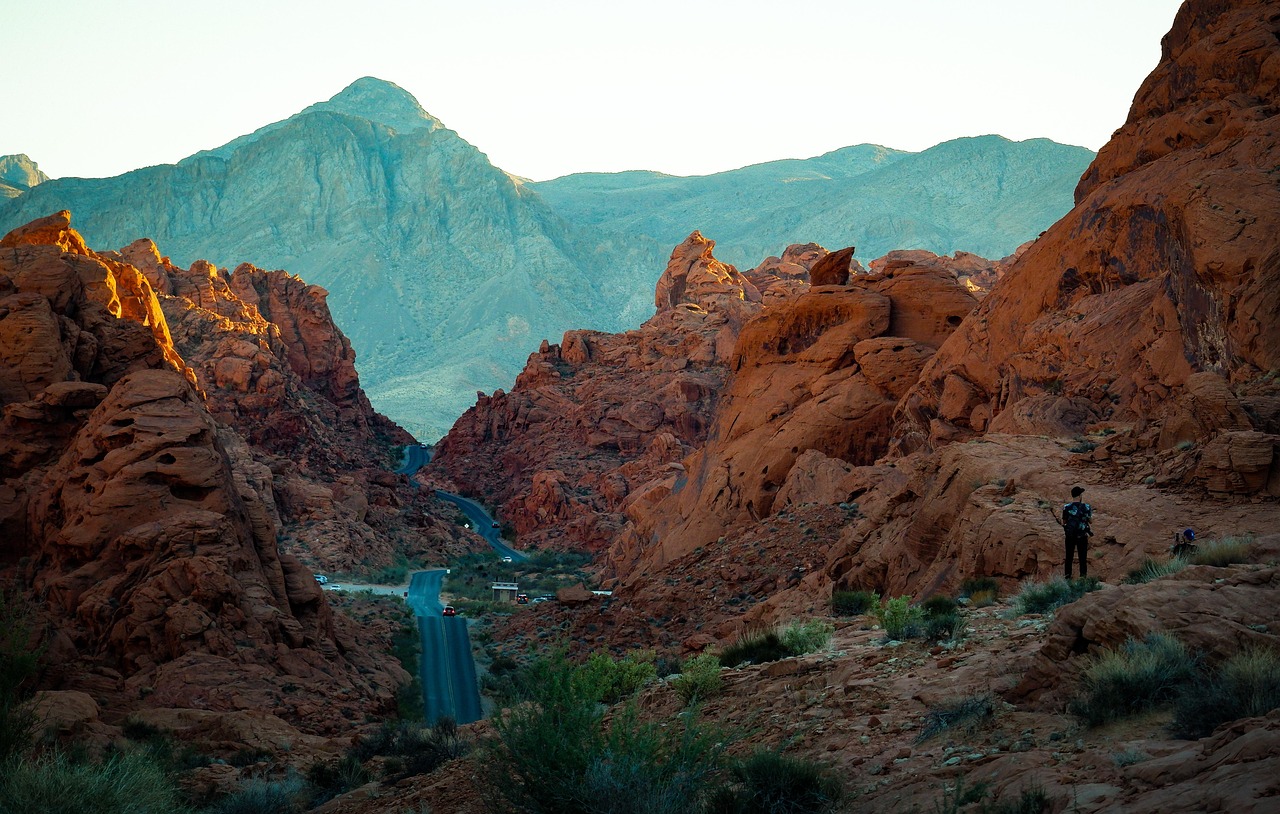
Canyoneering adventure travel is gaining attention right now due to its unique blend of hiking, climbing, and rappelling in a variety of breathtaking natural environments – canyons (deep, narrow valleys with steep sides, often carved by rivers). Choosing the right approach matters because it directly affects the safety and enjoyment of the experience. A well-planned canyoneering trip can be an exhilarating experience, while a poorly planned one can lead to serious risks and difficulties. The increasing popularity of canyoneering has also led to concerns about environmental impact and the need for sustainable practices. As a result, adventurers are seeking out advanced strategies to enhance their canyoneering experience while minimizing their footprint. With the right techniques and knowledge, canyoneers can navigate complex terrain, overcome obstacles, and take in the stunning scenery. Whether you’re a seasoned canyoneer or just starting out, understanding the key principles and best practices is essential for a successful and enjoyable adventure.
📝 Contents
Defining Canyoneering Adventure Travel
Canyoneering adventure travel involves exploring canyons using a variety of techniques, including hiking, climbing, rappelling (a method of descending a steep slope using a rope for control), and swimming – wetsuits (special suits that provide thermal insulation and protection from the elements) are often necessary. To understand canyoneering, readers need to grasp the basics of navigation, risk assessment, and team management. Canyoneering requires a deep respect for nature and a willingness to adapt to changing conditions. The sport demands a high level of physical fitness, mental toughness, and technical skill. As canyoneers navigate through rugged terrain, they must be prepared to overcome obstacles, such as fast-moving water, steep cliffs, and inclement weather. By understanding the fundamentals of canyoneering, adventurers can better appreciate the challenges and rewards of this exciting pursuit.
A key aspect of canyoneering is evaluating the terrain and conditions to determine the best route and approach. This involves assessing factors such as the difficulty of the terrain, the availability of anchors (secure points for attaching ropes), and the risk of hazards like rockfall or flooding. The following table outlines some key metrics to evaluate when planning a canyoneering trip:
| Metric | Description | Importance |
|---|---|---|
| Distance | The length of the canyoneering route | High |
| Difficulty | The technical challenge of the route, including obstacles and hazards | High |
| Risk | The potential danger posed by the route, including factors like rockfall and flooding | Critical |
| Time | The estimated time required to complete the route | Medium |
Key Canyoneering Advancements
Technical Canyoneering
Technical canyoneering involves using specialized equipment and techniques to navigate complex terrain, such as rappelling and anchor placement. This approach requires a high level of technical skill and physical fitness. Technical canyoneers must be proficient in rope work, anchor placement, and emergency response procedures. They must also be able to assess risk and make informed decisions in dynamic environments.
- Why It Works:
- Allows for the navigation of extremely challenging terrain
- Provides a high level of control and precision
- Enables canyoneers to overcome obstacles like steep cliffs and fast-moving water
- Hurdles to Overcome:
- Requires a high level of technical skill and physical fitness
- Can be time-consuming and labor-intensive
Best for: Experienced canyoneers seeking to push their limits and explore the most challenging terrain.
Canyoneering with a Guide
Canyoneering with a guide involves hiring an experienced guide or joining a guided tour to navigate the canyon. This approach provides an added layer of safety and expertise, as guides are knowledgeable about the terrain, conditions, and best practices. Guided canyoneering tours often include instruction and training, making them an excellent option for beginners or those looking to improve their skills.
- Why It Works:
- Provides an added layer of safety and expertise
- Offers instruction and training for beginners or those looking to improve their skills
- Enables canyoneers to learn from experienced guides and gain new insights
- Hurdles to Overcome:
- Can be more expensive than independent canyoneering
- May require a higher level of commitment and planning
Best for: Beginners or those seeking to improve their skills and gain experience.
Canyon Backpacking
Canyon backpacking involves carrying all necessary gear and supplies on a multi-day trip through the canyon. This approach requires a high level of physical fitness, as well as the ability to navigate and camp in remote areas. Canyon backpacking provides an immersive experience, allowing canyoneers to fully connect with nature and explore the canyon at their own pace.
- Why It Works:
- Provides an immersive experience and allows for a deeper connection with nature
- Enables canyoneers to explore the canyon at their own pace
- Offers the opportunity to camp in remote areas and experience the beauty of the canyon at night
- Hurdles to Overcome: read more here
- Requires a high level of physical fitness and endurance
- Can be challenging to navigate and find suitable campsites
Best for: Experienced canyoneers seeking a more immersive and self-sufficient experience.
Canyoneering with a Focus on Conservation
Canyoneering with a focus on conservation involves taking steps to minimize the environmental impact of the trip, such as using eco-friendly gear and practicing leave-no-trace principles. This approach requires a deep respect for nature and a commitment to preserving the canyon ecosystem. Conservation-focused canyoneering provides an opportunity to explore the canyon while also giving back to the environment.
- Why It Works:
- Minimizes the environmental impact of the trip
- Provides an opportunity to give back to the environment and support conservation efforts
- Encourages a deeper appreciation and respect for nature
- Hurdles to Overcome:
- May require additional planning and research to identify eco-friendly options
- Can be more challenging to find suitable gear and equipment
Best for: Canyoneers who prioritize environmental conservation and sustainability.
Winter Canyoneering
Winter canyoneering involves exploring the canyon during the winter months, often requiring specialized gear and techniques to navigate snow and ice. This approach provides a unique and challenging experience, with breathtaking scenery and opportunities to spot winter wildlife. Winter canyoneering demands a high level of physical fitness, as well as the ability to adapt to changing weather conditions.
- Why It Works:
- Provides a unique and challenging experience
- Offers breathtaking scenery and opportunities to spot winter wildlife
- Enables canyoneers to develop new skills and adapt to changing weather conditions
- Hurdles to Overcome:
- Requires specialized gear and techniques to navigate snow and ice
- Can be more physically demanding due to the cold weather and challenging terrain
Best for: Experienced canyoneers seeking a new and exciting challenge.
| Option | Best For | Difficulty | Cost | Speed |
|---|---|---|---|---|
| Technical Canyoneering | Experienced canyoneers | High | Medium | Slow |
| Canyoneering with a Guide | Beginners or those seeking instruction | Medium | High | Medium |
| Canyon Backpacking | Experienced canyoneers seeking a self-sufficient experience | High | Low | Slow |
| Canyoneering with a Focus on Conservation | Canyoneers who prioritize environmental conservation | Medium | Low | Medium |
| Winter Canyoneering | Experienced canyoneers seeking a new challenge | High | High | Slow |
How to Choose the Right One
Choosing the right canyoneering approach depends on several factors, including experience level, physical fitness, and personal goals. Experience level is a critical factor, as technical canyoneering and winter canyoneering require a high level of technical skill and physical fitness. Physical fitness is also essential, as canyoneering can be physically demanding and requires a high level of endurance. Personal goals should also be considered, such as the desire to explore the canyon at a leisurely pace or to push one’s limits and tackle challenging terrain.
When evaluating different canyoneering approaches, it’s essential to consider the level of difficulty and the required skills and knowledge. Technical canyoneering, for example, requires a high level of technical skill and physical fitness, while canyoneering with a guide may be more suitable for beginners or those seeking instruction. Cost is also an important factor, as guided tours and technical canyoneering can be more expensive than independent canyoneering or canyon backpacking. When evaluating different
In addition to these factors, canyoneers should also consider the environmental impact of their trip and take steps to minimize their footprint. This may involve using eco-friendly gear, practicing leave-no-trace principles, and respecting the natural environment. By taking a responsible and sustainable approach to canyoneering, adventurers can help preserve the beauty and integrity of the canyon ecosystem.
Ultimately, the right canyoneering approach will depend on individual circumstances and priorities. By carefully evaluating the different options and considering factors such as experience level, physical fitness, and personal goals, canyoneers can choose the approach that best suits their needs and provides a safe and enjoyable experience.
It’s also important to note that canyoneering is a dynamic and constantly evolving sport, with new techniques and technologies emerging all the time. As a result, canyoneers should be prepared to adapt and learn, and to stay up-to-date with the latest developments and best practices in the field. By embracing this mindset and being open to new experiences and challenges, canyoneers can continue to grow and develop as adventurers and explorers.
Why This Matters to You
Canyoneering adventure travel offers a unique and exhilarating experience that can be life-changing and transformative. By choosing the right approach and taking the necessary precautions, canyoneers can navigate challenging terrain, overcome obstacles, and take in the stunning scenery. Whether you’re seeking a thrilling adventure, a chance to connect with nature, or an opportunity to push your limits and challenge yourself, canyoneering has something to offer.
Canyoneering also provides a chance to develop new skills and build confidence, as canyoneers learn to navigate complex terrain, assess risk, and make informed decisions. This can be particularly empowering for those who are new to adventure travel or seeking to challenge themselves in new and exciting ways. By taking on the challenges of canyoneering, adventurers can build resilience, develop problem-solving skills, and cultivate a deeper appreciation for the natural world.
In addition to the personal benefits, canyoneering also offers a unique opportunity to connect with others who share similar interests and passions. Whether through guided tours, online communities, or local meetups, canyoneers can connect with like-minded individuals and share their experiences, knowledge, and enthusiasm. This sense of community and camaraderie can be a powerful motivator and source of inspiration, encouraging canyoneers to continue exploring and pushing their limits.
Canyoneering also provides a chance to experience the beauty and majesty of the natural world, with its stunning scenery, unique landscapes, and diverse wildlife. By immersing themselves in these environments, canyoneers can develop a deeper appreciation for the natural world and a greater sense of respect for the land and its inhabitants. This can be a profoundly moving and transformative experience, one that can inspire a lifelong commitment to conservation and environmental stewardship.
Furthermore, canyoneering offers a chance to challenge oneself and push beyond one’s perceived limits. By taking on the physical and mental challenges of canyoneering, adventurers can build confidence, develop resilience, and cultivate a growth mindset. This can be particularly empowering for those who are seeking to overcome fears, build self-esteem, or develop a greater sense of self-awareness.
Finally, canyoneering provides a unique opportunity to experience the thrill of discovery and exploration, as canyoneers navigate uncharted terrain, discover hidden wonders, and uncover the secrets of the canyon. This sense of adventure and possibility can be a powerful draw, inspiring canyoneers to continue exploring and pushing the boundaries of what is possible.
Key Takeaways
Canyoneering adventure travel offers a unique and exhilarating experience that requires careful planning, specialized skills, and the right equipment. By choosing the right approach and taking the necessary precautions, canyoneers can navigate challenging terrain, overcome obstacles, and take in the stunning scenery. Whether you’re seeking a thrilling adventure, a chance to connect with nature, or an opportunity to push your limits and challenge yourself, canyoneering has something to offer, and with the right mindset and approach, anyone can embark on this exciting and rewarding path.
The key to a successful canyoneering experience is to carefully evaluate the different options and choose the approach that best suits your needs and priorities. This may involve considering factors such as experience level, physical fitness, and personal goals, as well as the level of difficulty, required skills and knowledge, and environmental impact. By taking a thoughtful and informed approach to canyoneering, adventurers can minimize their risks, maximize their enjoyment, and create lasting memories of their time in the canyon.
Ultimately, canyoneering is a path of discovery and exploration, one that requires a willingness to learn, adapt, and evolve. By embracing this mindset and being open to new experiences and challenges, canyoneers can continue to grow and develop as adventurers and explorers, and canyoneering can become a lifelong passion and pursuit.


Leave a Reply