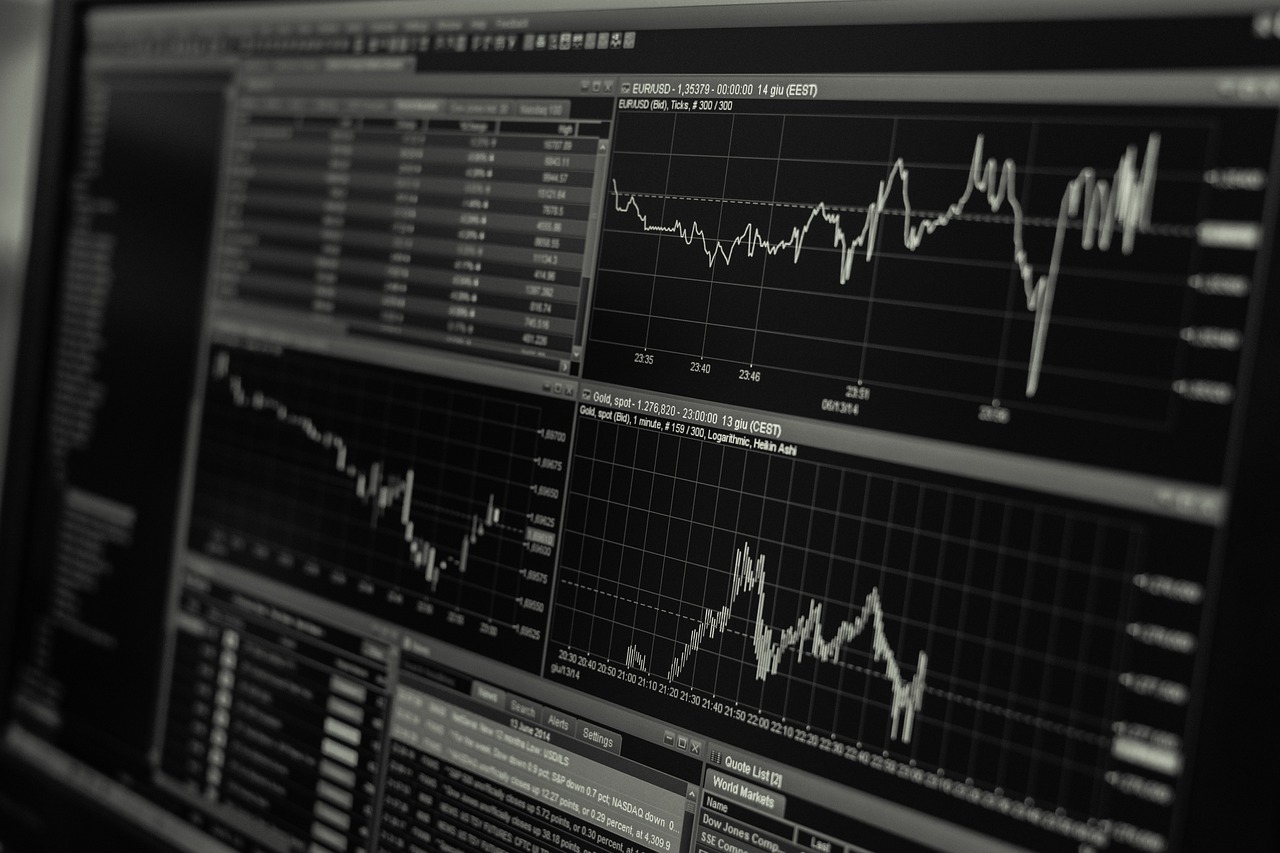
A staggering 75% of day traders lose money, yet the allure of stock trading remains strong, with millions of traders worldwide seeking to capitalize on market fluctuations. The key to success lies not only in understanding market dynamics but also in mastering the tools of the trade: advanced stock trading platforms. Here’s the key thing to understand: the right platform, combined with strategic know-how, can significantly enhance trading performance. Most people miss this: the difference between a basic and an advanced trading platform is not just about features, but about the level of insight and control they offer. For those willing to learn, the potential for high returns is substantial. The world of stock trading is complex, but with the right approach, it can be navigated effectively.
📝 Quick Navigation
Understanding Stock Trading Platforms
Stock trading platforms are software systems that allow users to trade stocks, options, and other financial instruments. They provide real-time market data, allow for the execution of trades, and often include tools for technical analysis, risk management, and portfolio optimization. The choice of platform can significantly impact a trader’s experience and success, as different platforms cater to different types of traders, from beginners to professionals. Understanding the capabilities and limitations of a trading platform is crucial for selecting the one that best fits a trader’s needs and strategy.
Here’s a comparison of some key features among popular stock trading platforms:
| Platform | Fees | Minimum Balance | Advanced Tools |
|---|---|---|---|
| Robinhood | $0 | $0 | Limited |
| Fidelity | $0 for online trades | $0 | Yes |
| TD Ameritrade | $0 for online trades | $0 | Yes |
| Interactive Brokers | Varies by trading activity | $0 | Yes, advanced |
Understanding the features and fees of different platforms is essential for making an informed decision. The platform’s user interface, customer support, and educational resources are also critical factors to consider.
Stock Trading Methods Worth Knowing
1. Technical Analysis
Technical analysis involves studying charts and patterns to forecast future price movements. It is based on the belief that prices move in trends and that historical patterns can be used to predict future trends. Technical analysts use various tools and indicators, such as moving averages and relative strength index (RSI), to analyze market data. This method requires a deep understanding of market dynamics and the ability to interpret complex data.
The application of technical analysis in trading platforms involves using the platform’s charting tools to identify patterns and trends. Most advanced platforms provide a range of technical indicators that can be applied to charts to aid in analysis.
Strengths:
- Provides a systematic approach to trading decisions, reducing the impact of emotional bias.
- Can be used in conjunction with fundamental analysis for a more comprehensive view of the market.
- Offers a wide range of indicators and tools for analyzing market trends and patterns.
2. Fundamental Analysis
Fundamental analysis involves evaluating a company’s financial statements, management team, industry trends, and competitive position to determine its stock’s intrinsic value. This method requires a thorough understanding of accounting, finance, and economics, as well as the ability to analyze complex data and make informed judgments.
Fundamental analysts use trading platforms to access financial news, earnings reports, and other data that can inform their analysis. They look for stocks that are undervalued or overvalued compared to their intrinsic value, with the expectation of making a profit as the market corrects.
Strengths:
- Provides a detailed understanding of a company’s financial health and growth potential.
- Can help identify undervalued stocks with potential for long-term growth.
- Offers a more stable approach to investing, as it focuses on a company’s underlying fundamentals rather than short-term market fluctuations.
3. Risk Management
Risk management is a crucial aspect of stock trading, as it involves strategies to minimize potential losses. This can include setting stop-loss orders, diversifying portfolios, and adjusting position sizes based on risk tolerance. Trading platforms often provide tools for risk management, such as stop-loss and take-profit orders, as well as margin calculators to help traders understand their exposure.
The effective use of risk management tools within trading platforms can significantly reduce the risk of significant losses. It requires a deep understanding of market volatility and the ability to adjust strategies accordingly.
Strengths:
- Helps protect against significant losses by automatically closing positions when they reach a certain level of loss.
- Allows traders to diversify their portfolios, spreading risk across different assets and sectors.
- Enhances trading discipline, as traders must set clear goals and limits for their trades.
4. Algorithmic Trading
Algorithmic trading involves using computer programs to execute trades based on predefined rules. These rules can be based on technical indicators, market data, or other criteria. Algorithmic trading can be highly effective, as it automates the trading process, reducing the impact of emotional bias and increasing the speed of execution.
Advanced trading platforms often support algorithmic trading through APIs or integrated programming languages. This allows traders to develop and execute their own trading algorithms, providing a high level of customization and automation.
Strengths:
- Automates trading decisions, reducing the influence of emotions on trading.
- Can process and react to large amounts of data much faster than human traders.
- Allows for the backtesting of strategies on historical data to evaluate their effectiveness.
5. Portfolio Optimization
Portfolio optimization involves selecting the best mix of assets to achieve a desired level of return for a given level of risk. This method requires a thorough understanding of modern portfolio theory and the ability to analyze complex financial data. Trading platforms often provide tools for portfolio optimization, including risk analysis and asset allocation models.
By using these tools, traders can create diversified portfolios that are tailored to their risk tolerance and investment goals. This approach helps minimize risk and maximize returns over the long term.
Strengths:
- Helps create a diversified portfolio that spreads risk across different asset classes.
- Can significantly reduce portfolio risk by identifying and mitigating potential downsides.
- Enhances returns by optimizing the asset mix to achieve the highest possible return for the given level of risk.
Why People Are Paying Attention
✔ Advanced Trading Tools Advanced Trading Tools
The inclusion of advanced trading tools in modern platforms has made them more attractive to serious traders. These tools enhance the trading experience, providing more insights and control over trades. With features like real-time data, technical indicators, and automated trading systems, traders can make more informed decisions and react quickly to market changes.
✔ Low Fees and Commissions
Many stock trading platforms have reduced or eliminated fees and commissions for trades, making trading more accessible and affordable for everyone. This shift has opened up the markets to a wider range of investors, from casual traders to institutional investors, all of whom can now trade without incurring significant costs.
✔ Mobile Trading
The ability to trade on-the-go has become a major draw for many traders. Mobile trading apps allow users to monitor their accounts, execute trades, and access market data from anywhere, providing unparalleled flexibility and convenience.
✔ Community and Education
Some platforms offer community features and educational resources, which are highly valued by traders. These resources can include webinars, tutorials, and forums where traders can share strategies, ask questions, and learn from each other’s experiences.
✔ Security and Reliability
The security and reliability of trading platforms have become critical factors for traders. Platforms that offer robust security measures, such as encryption and two-factor authentication, along with a reliable trading environment, are preferred by traders who want to protect their accounts and ensure smooth trading operations.
✔ Regulatory Compliance
Finally, compliance with regulatory requirements is a key aspect that traders look for in a platform. Platforms that are registered with relevant regulatory bodies and adhere to strict standards of operation provide traders with the assurance that their trades are executed in a fair and legal manner.
Looking Ahead
- Increased Adoption of Artificial Intelligence
- Expansion of Cryptocurrency Trading
- Enhanced Mobile Trading Experiences
- Greater Emphasis on Sustainability and ESG Investing
- Improved Regulatory Compliance Tools
The future of stock trading platforms is likely to involve an increased adoption of artificial intelligence (AI) and machine learning (ML) technologies. These technologies can help platforms provide more personalized trading experiences, enhance risk management, and improve the overall efficiency of trading operations. As AI and ML continue to evolve, their application in trading platforms is expected to expand, offering more sophisticated tools and insights to traders.
Cryptocurrency trading has been gaining popularity, and stock trading platforms are likely to expand their services to include more cryptocurrencies. This expansion will provide traders with a broader range of assets to trade and will further blur the lines between traditional and digital markets. As regulatory frameworks around cryptocurrencies become clearer, the integration of cryptocurrency trading into mainstream platforms is expected to accelerate.
Mobile trading is expected to continue its growth, with platforms focusing on creating more intuitive and powerful mobile apps. These apps will provide traders with the ability to execute trades, monitor accounts, and access market data on-the-go, further enhancing the flexibility and convenience of trading. Advances in mobile technology and the increasing use of smartphones will drive this trend, making mobile trading an essential component of modern trading platforms. creating more intuitive
There will be a greater emphasis on sustainability and Environmental, Social, and Governance (ESG) investing in the future. Trading platforms will need to provide tools and resources that support ESG investing, such as ESG ratings, sustainability reports, and impact investing options. As investors become more conscious of the social and environmental impact of their investments, platforms will adapt to offer more ESG-focused products and services, catering to the growing demand for responsible investing.
Platforms will invest in improving their regulatory compliance tools to ensure that they meet the evolving regulatory requirements. This will involve the development of more sophisticated reporting tools, enhanced risk management systems, and stricter adherence to anti-money laundering (AML) and know-your-customer (KYC) regulations. As regulatory environments become more complex, platforms will need to stay ahead of these changes to maintain their operations and protect their users.
| Feature | Description | Benefits | Platforms Offering |
|---|---|---|---|
| AI-Powered Trading | Uses artificial intelligence to analyze market data and make trading decisions. | Enhanced trading performance, reduced risk. | Several advanced platforms. |
| Real-Time Data | Provides instant access to market data, enabling quick trading decisions. | Improved trading responsiveness, better decision-making. | Most modern trading platforms. |
| Customizable Interfaces | Allows users to personalize their trading environment for better efficiency. | Enhanced user experience, increased productivity. | Several user-centric platforms. |
| Educational Resources | Provides learning materials and webinars to improve trading skills. | Improved trading knowledge, reduced risk of errors. | Educational-focused platforms. |
What It All Means
The world of stock trading is evolving rapidly, with advancements in technology and changes in investor preferences driving the development of more sophisticated trading platforms. As traders become more adept at using these platforms, they will be able to execute trades more efficiently, manage risk more effectively, and make more informed investment decisions. The future of stock trading platforms is exciting, with potential for significant growth and innovation in the years to come. The integration of artificial intelligence, expansion of mobile trading, and emphasis on sustainability are just a few of the trends that will shape the industry. Ultimately, the key to success in stock trading will lie in the ability to adapt to these changes and use the power of advanced trading platforms to achieve investment goals.


Leave a Reply