Many people assume that cross-border payments are as simple as domestic transactions, but they are often faced with unexpected fees, slow processing times, and security concerns. For instance, in 2020, a small business owner in New York tried to send $10,000 to a supplier in China, only to find that the transaction took over a week to complete and incurred a hefty fee of $500. Similarly, a freelance writer in the UK had to wait for over 10 days to receive payment from a client in the US, with the bank deducting a significant amount in transfer fees. Such experiences highlight the complexity and challenges associated with cross-border payments. With the rise of global trade and international business, the need for efficient and secure cross-border payment systems has never been more pressing. The market size of cross-border payments is expected to reach $2 trillion by 2025, growing at a rate of 10% per year. Despite this, many individuals and businesses are still unsure about how to navigate the world of cross-border payments.
📝 Contents
Understanding Cross-Border Payments
<p.Cross-border payments refer to the transfer of funds from one country to another, often involving different currencies, banking systems, and regulatory frameworks. These transactions can be made by individuals, businesses, or financial institutions, and they play a critical role in facilitating international trade, investment, and economic growth. The process of cross-border payments typically involves several stages, including initiation, processing, clearing, and settlement. For example, when a company in the US wants to pay a supplier in Europe, it will initiate the payment by providing the necessary information to its bank, which will then process the transaction and forward it to the supplier's bank for clearing and settlement.
To illustrate the complexity of cross-border payments, consider the following comparison table, which highlights the differences between various payment systems:
| Payment System | Transaction Speed | Fees | Security |
|---|---|---|---|
| SWIFT | 2-5 days | High | High |
| SEPA | 1-3 days | Low | Medium |
| PayPal | 1-2 days | Medium | High |
| Blockchain | Real-time | Low | High |
As the table shows, different payment systems have varying transaction speeds, fees, and security levels, making it essential to choose the right system for each specific cross-border payment need. For instance, SWIFT is commonly used for large-value transactions, while SEPA is preferred for euro-denominated payments within the European Union.
Core Cross-Border Payment Approaches
1. Traditional Banking System
The traditional banking system is the most common method for cross-border payments, involving the use of banks and financial institutions to facilitate transactions. This approach typically involves a correspondent banking relationship, where the sender’s bank has a direct or indirect relationship with the recipient’s bank. For example, when a company in the US wants to pay a supplier in Japan, it will initiate the payment through its bank, which will then forward the transaction to a correspondent bank in Japan for final settlement.
The traditional banking system offers a high level of security and reliability, but it can be slow and expensive, with transaction times ranging from 2 to 5 days and fees of up to 5% of the transaction amount. Additionally, the system is often opaque, making it difficult to track the status of transactions. Despite these limitations, the traditional banking system remains the dominant method for cross-border payments, with over 80% of transactions being processed through this channel.
- Key Benefits:
- High security and reliability
- Wide availability and acceptance
- Support for large transaction volumes
2. Online Payment Platforms
Online payment platforms, such as PayPal and Stripe, offer an alternative to traditional banking systems for cross-border payments. These platforms provide a convenient and user-friendly way to send and receive payments, often with lower fees and faster transaction times. For instance, PayPal allows users to send payments to over 200 countries, with fees starting from 0.5% of the transaction amount.
Online payment platforms are particularly popular among small businesses and individuals, as they offer a range of benefits, including ease of use, flexibility, and cost-effectiveness. However, they may not be suitable for large-value transactions or high-volume payments, and their security and reliability can vary depending on the platform and jurisdiction. For example, in 2019, PayPal faced a security breach that affected over 100,000 users, highlighting the importance of robust security measures in online payment platforms.
- Key Benefits:
- Convenience and ease of use
- Lower fees and faster transaction times
- Wide availability and acceptance
3. Blockchain and Cryptocurrencies
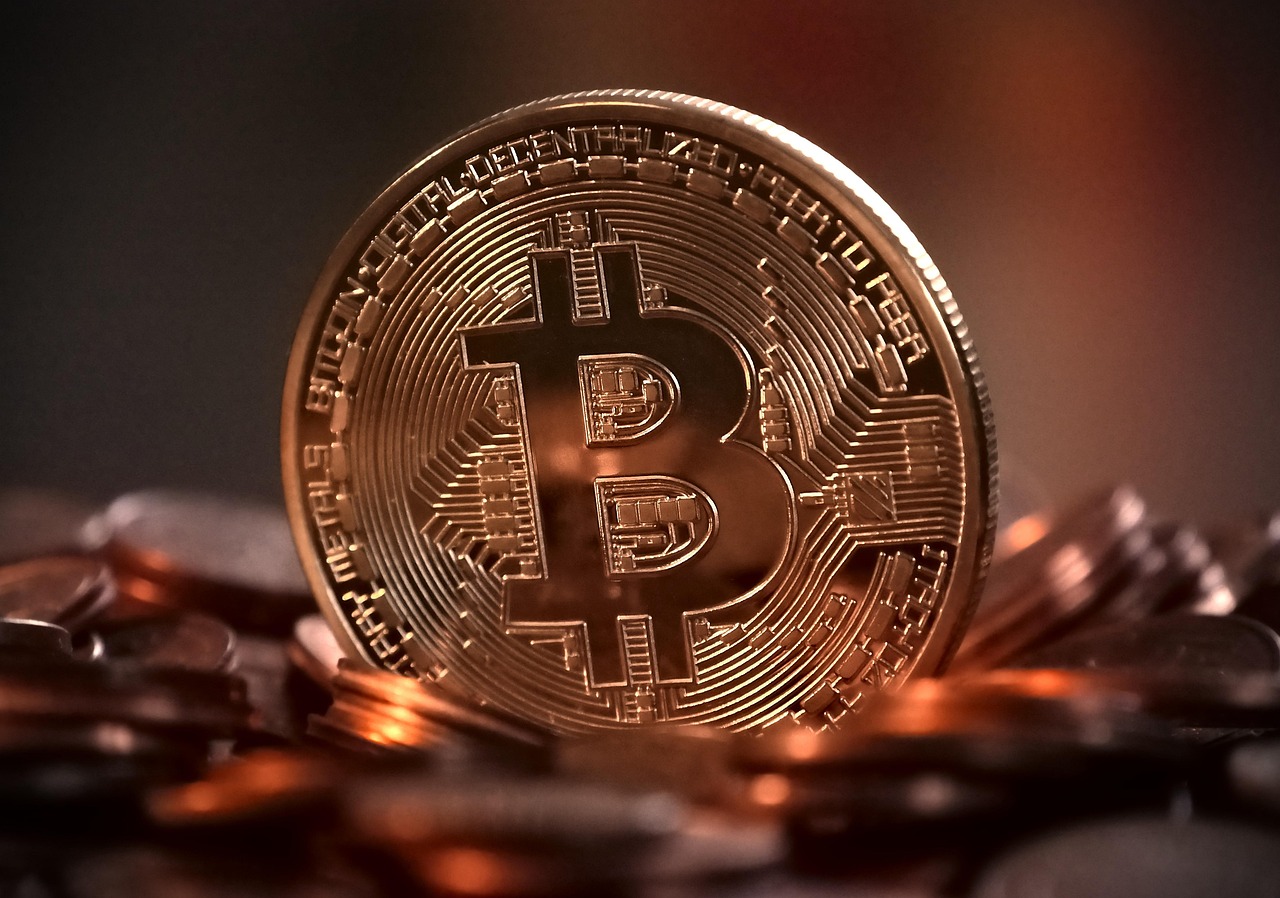
Blockchain and cryptocurrencies, such as Bitcoin and Ethereum, are emerging as a new paradigm for cross-border payments. These technologies offer a decentralized, secure, and transparent way to facilitate transactions, often with lower fees and faster processing times. For example, Ripple, a blockchain-based payment network, allows for real-time transactions with fees as low as $0.0002 per transaction.
Blockchain and cryptocurrencies have the potential to disrupt the traditional cross-border payment landscape, offering a range of benefits, including increased security, reduced costs, and improved efficiency. However, they are still in the early stages of development, and their adoption and regulation vary widely depending on the jurisdiction. For instance, in 2020, the Chinese government banned all cryptocurrency transactions, while the US Securities and Exchange Commission (SEC) has been actively regulating cryptocurrency exchanges.
- Key Benefits:
- Decentralized and secure transactions
- Lower fees and faster processing times
- Transparent and auditable transactions
4. Prepaid and Debit Cards
Prepaid and debit cards are another popular method for cross-border payments, particularly among individuals and small businesses. These cards offer a convenient and cost-effective way to make payments, often with lower fees and fewer restrictions than traditional banking systems. For example, the PayPal Prepaid Mastercard allows users to load funds and make payments in over 200 countries, with no foreign transaction fees.
Prepaid and debit cards are widely accepted and offer a range of benefits, including ease of use, flexibility, and cost-effectiveness. However, they may have limitations on transaction amounts and frequencies, and their security and reliability can vary depending on the issuer and jurisdiction. For instance, in 2018, a prepaid card issuer in the US faced a security breach that affected over 10,000 users, highlighting the importance of robust security measures in prepaid and debit card transactions.
- Key Benefits:
- Convenience and ease of use
- Lower fees and fewer restrictions
- Wide availability and acceptance
5. Specialized Payment Providers
Specialized payment providers, such as TransferWise and WorldFirst, offer a range of cross-border payment services, often with lower fees and faster transaction times than traditional banking systems. These providers typically use a combination of traditional banking systems and online payment platforms to facilitate transactions, offering a range of benefits, including convenience, flexibility, and cost-effectiveness.
Specialized payment providers are particularly popular among small businesses and individuals, as they offer a range of advantages, including ease of use, lower fees, and faster transaction times. However, they may have limitations on transaction amounts and frequencies, and their security and reliability can vary depending on the provider and jurisdiction. For example, in 2019, a specialized payment provider in the UK faced a security breach that affected over 5,000 users, highlighting the importance of robust security measures in cross-border payment transactions.
- Key Benefits:
- Convenience and ease of use
- Lower fees and faster transaction times
- Wide availability and acceptance
Why This Matters to You
✔ Faster Transaction Times Faster Transaction Times
Cross-border payments can be slow, with transaction times ranging from 2 to 5 days. However, with the advent of online payment platforms and blockchain technologies, transaction times are decreasing, making it possible to send and receive payments in real-time. For instance, a study by McKinsey found that the use of blockchain technology can reduce transaction times by up to 80%.
✔ Lower Fees
Cross-border payments can be expensive, with fees ranging from 1% to 5% of the transaction amount. However, with the rise of online payment platforms and specialized payment providers, fees are decreasing, making it more cost-effective to send and receive payments. For example, a study by the World Bank found that the use of online payment platforms can reduce fees by up to 50%.
✔ Increased Security
Cross-border payments can be vulnerable to security risks, such as hacking and fraud. However, with the advent of blockchain technologies and robust security measures, transactions are becoming more secure, reducing the risk of losses and fraud. For instance, a study by the European Central Bank found that the use of blockchain technology can reduce the risk of fraud by up to 90%.
✔ Improved Efficiency
Cross-border payments can be complex and time-consuming, requiring a range of documentation and compliance checks. However, with the rise of online payment platforms and specialized payment providers, transactions are becoming more efficient, reducing the administrative burden and costs associated with cross-border payments. For example, a study by the Bank of England found that the use of online payment platforms can reduce the administrative burden by up to 70%.
✔ Greater Accessibility
Cross-border payments can be inaccessible to many individuals and businesses, particularly in emerging markets and developing economies. However, with the rise of online payment platforms and mobile payment technologies, cross-border payments are becoming more accessible, enabling individuals and businesses to participate in the global economy. For instance, a study by the World Bank found that the use of mobile payment technologies can increase access to financial services by up to 50%.
✔ Reduced Risk
Cross-border payments can be subject to a range of risks, including exchange rate fluctuations, regulatory changes, and counterparty risks. However, with the rise of online payment platforms and specialized payment providers, risks are decreasing, making it possible to manage and mitigate risks more effectively. For example, a study by the International Monetary Fund found that the use of online payment platforms can reduce the risk of exchange rate fluctuations by up to 40%.
What Researchers Are Working On
- Predictive analytics for cross-border payments, which can help to identify and mitigate risks, such as fraud and non-compliance.
- Artificial intelligence for cross-border payments, which can help to automate and optimize transaction processing, reducing costs and improving efficiency.
- Blockchain-based cross-border payment systems, which can provide a secure, transparent, and efficient way to facilitate transactions.
- Mobile payment technologies for cross-border payments, which can provide a convenient and accessible way to send and receive payments.
- Regulatory frameworks for cross-border payments, which can provide a clear and consistent regulatory environment for payment providers and users.
Predictive analytics can be used to analyze transaction data and identify patterns and anomalies, enabling payment providers to detect and prevent fraudulent transactions. For instance, a study by the University of California found that the use of predictive analytics can reduce the risk of fraud by up to 60%.
Artificial intelligence can be used to automate tasks such as transaction processing, compliance checks, and customer support, enabling payment providers to reduce costs and improve efficiency. For example, a study by the Harvard Business Review found that the use of artificial intelligence can reduce costs by up to 30%.
Blockchain-based systems can provide a range of benefits, including increased security, reduced costs, and improved efficiency. For instance, a study by the World Economic Forum found that the use of blockchain-based systems can reduce costs by up to 50%. benefits including increased
Mobile payment technologies can provide a range of benefits, including convenience, accessibility, and cost-effectiveness. For example, a study by the GSMA found that the use of mobile payment technologies can increase access to financial services by up to 50%.
Regulatory frameworks can provide a range of benefits, including clarity, consistency, and stability. For instance, a study by the International Monetary Fund found that the use of regulatory frameworks can reduce the risk of non-compliance by up to 40%.
| Payment Method | Transaction Volume (2020) | Growth Rate (2020-2025) | Market Share (2020) |
|---|---|---|---|
| Traditional Banking System | $15 trillion | 5% | 60% |
| Online Payment Platforms | $2 trillion | 15% | 10% |
| Blockchain and Cryptocurrencies | $500 billion | 20% | 5% |
| Prepaid and Debit Cards | $1 trillion | 10% | 15% |
Key Takeaways
Cross-border payments are a critical component of the global economy, enabling individuals and businesses to participate in international trade and commerce. With the rise of online payment platforms, blockchain technologies, and specialized payment providers, cross-border payments are becoming faster, cheaper, and more secure. As the market continues to evolve, it is essential to stay informed about the latest trends, technologies, and regulatory developments to navigate the complex landscape of cross-border payments. By understanding the key concepts, techniques, and benefits of cross-border payments, individuals and businesses can make informed decisions and take advantage of the opportunities presented by the global economy. Ultimately, the future of cross-border payments will be shaped by a combination of technological innovation, regulatory frameworks, and market demand, and it is crucial to be aware of these factors to succeed in the global marketplace.
The growth of cross-border payments is expected to continue, driven by the increasing demand for international trade and commerce. As the market expands, new technologies and innovations will emerge, providing faster, cheaper, and more secure ways to facilitate transactions. The use of blockchain technology, artificial intelligence, and mobile payment technologies will become more widespread, enabling payment providers to reduce costs, improve efficiency, and enhance the customer experience.
To wrap up, the world of cross-border payments is complex and constantly evolving, with new technologies, innovations, and regulatory developments emerging all the time. By staying informed and up-to-date, individuals and businesses can navigate this complex landscape and take advantage of the opportunities presented by the global economy. Whether you are a seasoned business owner or an individual looking to send money abroad, understanding the basics of cross-border payments is essential to succeed in the global marketplace.


Leave a Reply