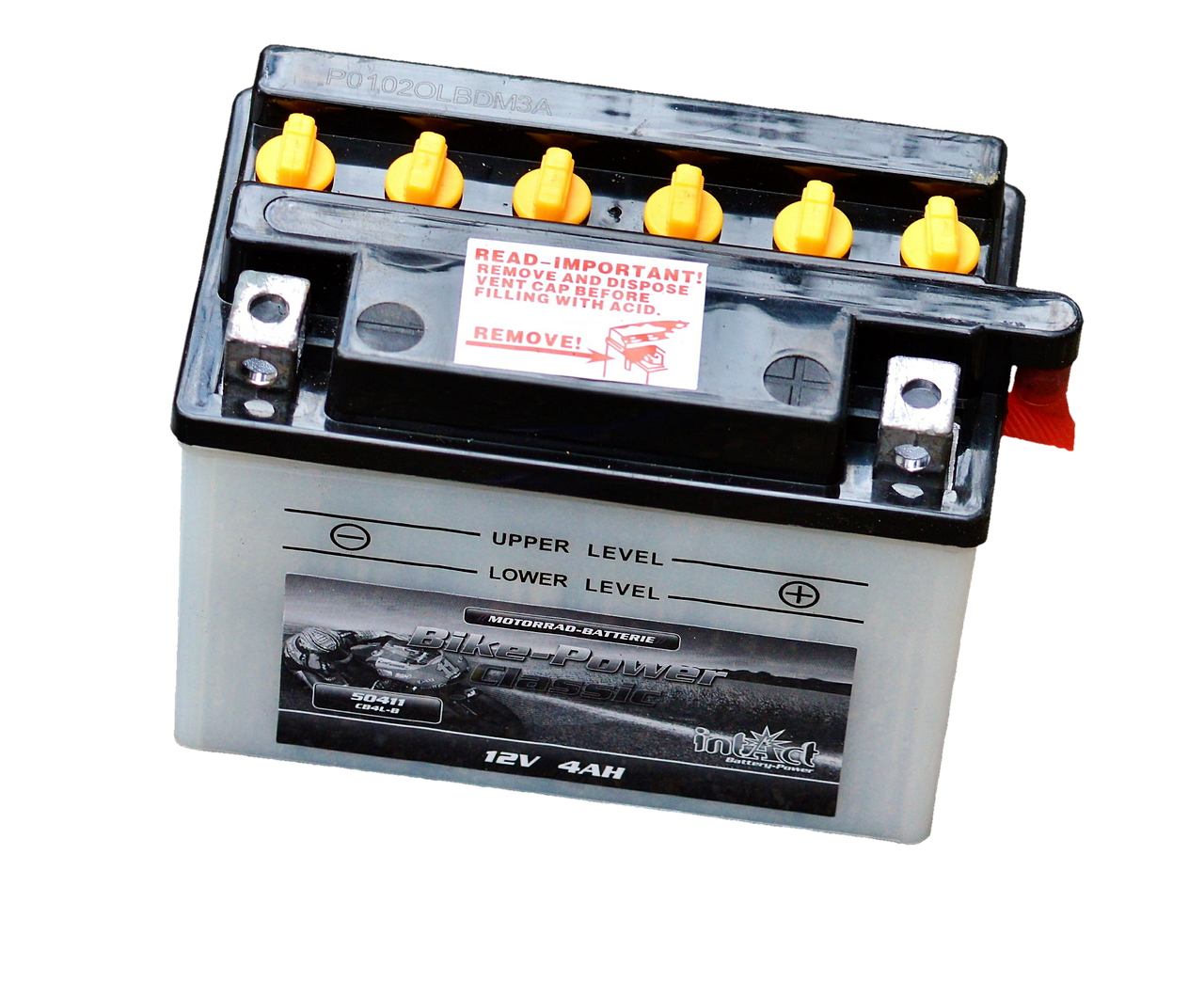
Imagine a world where smartphones last for days on a single charge, electric vehicles can travel hundreds of miles without needing to recharge, and renewable energy systems can store power for later use – all thanks to advancements in AI battery management. For someone new to this topic, it might seem like science fiction, but the reality is that AI battery management is transforming the way devices and vehicles use power, improving efficiency and reducing waste. Before the advent of AI battery management, batteries were often underutilized and inefficient, leading to reduced performance and lifespan. However, with the integration of artificial intelligence (AI) – a type of computer science that enables machines to think and learn like humans – battery management has become more sophisticated. As a result, devices and vehicles are now able to maximize their battery life and performance, leading to significant improvements in overall efficiency and reduced environmental impact.
A Closer Look at AI Battery Management
AI battery management refers to the use of artificial intelligence (AI) – a type of computer science that enables machines to think and learn like humans – to optimize the performance and lifespan of batteries – devices that store electrical energy in the form of chemical energy. This involves using machine learning algorithms – a type of AI that allows systems to learn from data without being explicitly programmed – to analyze data from various sources, such as battery temperature, state of charge, and discharge rates, to predict and prevent battery degradation. The goal of AI battery management is to improve the overall efficiency and reliability of batteries, reducing the risk of battery failure and extending their lifespan.
<table style=


Leave a Reply