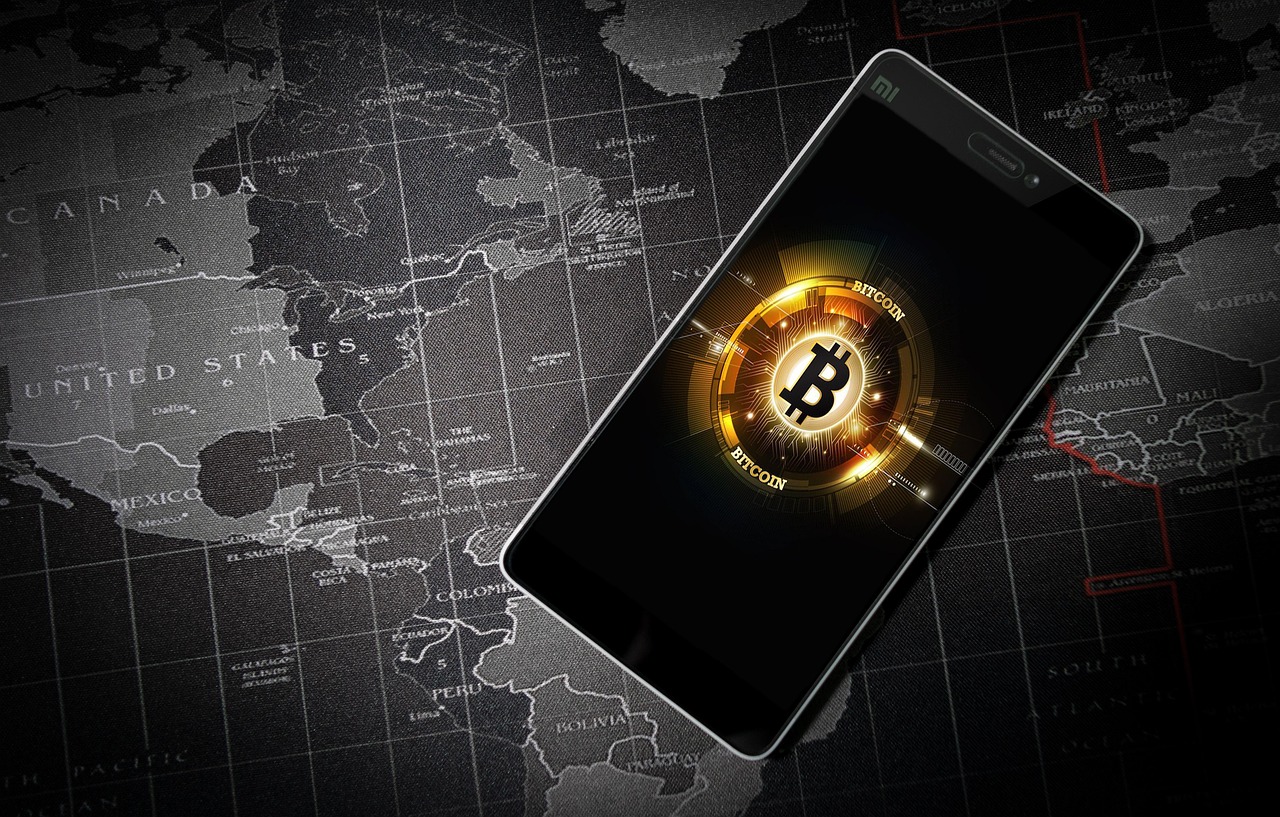
Digital wallets are reshaping the way people handle money, turning phones into secure, instant cash registers. This shift is not just a technological fad; it is a fundamental change in consumer behavior that impacts retail, banking, and everyday life. As more merchants accept contactless payments, users gain unprecedented convenience, security, and control over their finances. Yet many still wonder how to set one up, keep it safe, and make the most of its features. This article walks through every essential step, from basic concepts to advanced innovations, ensuring readers can adopt digital wallets with confidence.
Understanding the mechanics behind digital wallets demystifies the process and reveals hidden benefits like faster checkout, reduced fraud, and integrated loyalty programs. By the end, readers will be equipped to choose the right wallet, configure it securely, and use emerging tools that enhance both personal and business transactions.
Here’s the key thing to understand: a digital wallet is more than a mobile app; it is an ecosystem that connects banks, merchants, and consumers through encrypted tokens and standards that guarantee interoperability.
Most people miss this: the security model relies on tokenization, not just passwords, meaning that even if a device is compromised, the actual card numbers remain hidden. Most people miss
📝 Quick Navigation
Understanding Digital Wallets
A digital wallet, sometimes called an e‑wallet, is a software-based system that securely stores payment credentials, such as credit or debit card numbers, and facilitates electronic transactions. Unlike traditional wallets that hold physical cards, a digital wallet encrypts this data and replaces it with a token—a random string that represents the original information without exposing it. When a purchase is made, the token is transmitted to the merchant, which then forwards it to the issuing bank for verification.
In context, digital wallets sit at the intersection of fintech and consumer convenience. They enable contactless payments via Near Field Communication (NFC), QR codes, or online checkout buttons. Moreover, many wallets incorporate additional features like loyalty point tracking, ticket storage, and identity verification. This convergence creates a single platform where users manage multiple financial interactions.
| Feature | Physical Wallet | Digital Wallet |
|---|---|---|
| Security | Vulnerable to loss or theft | Tokenization and biometric locks |
| Convenience | Requires manual card insertion | One‑tap or scan |
| Speed | Seconds to minutes | Instant transaction |
| Integration | Limited to physical cards | Loyalty, tickets, IDs |
Top Digital Wallet Innovations to Know
1. Tokenization and Dynamic CVV
Tokenization replaces sensitive card data with a unique identifier, while dynamic CVV generates a one‑time security code for each transaction.
This dual approach dramatically reduces fraud risk because intercepted data cannot be reused. The technology operates behind the scenes, requiring no extra steps from the user. dual approach dramatically
- What You Gain:
- Enhanced protection against data breaches.
- Peace of mind knowing each purchase uses a fresh code.
- Compliance with PCI DSS standards without extra effort.
2. Biometric Authentication Integration
Modern wallets now embed fingerprint, facial recognition, or iris scanning to verify the user before a payment is authorized.
Biometrics tie the transaction to a unique physical characteristic, making it virtually impossible for a thief to replicate. The process is swift, often completing in under a second.
- What You Gain:
- Fast, frictionless checkout experience.
- Higher security than passwords or PINs.
- Reduced reliance on memorized credentials.
3. Cross‑Platform Synchronization
Users can access the same wallet across smartphones, tablets, wearables, and even desktop browsers.
Synchronization ensures that balances, loyalty points, and transaction histories stay consistent, regardless of device. Cloud‑based backups also protect against device loss.
- What You Gain:
- Seamless continuity when switching devices.
- Instant recovery after a lost or damaged phone.
- Unified view of all financial activity.
4. Integrated Loyalty and Rewards Management
Many wallets now store loyalty cards, coupons, and reward points alongside payment methods. store loyalty cards
During checkout, the system automatically applies the best available discount, eliminating the need to search for coupons manually.
- What You Gain:
- Automatic savings without extra effort.
- Consolidated tracking of multiple programs.
- Higher engagement with merchant promotions.
5. QR‑Code Payments and Peer‑to‑Peer Transfers
Beyond NFC, QR‑code scanning enables payments in regions where contactless chips are less common.
Peer‑to‑peer (P2P) features let users send money instantly to friends, splitting bills or reimbursing expenses with a single tap.
- What You Gain:
- Universal acceptance across diverse markets.
- Speedy money transfers without bank delays.
- Simplified bill splitting for groups.
Practical Takeaways
✔ Choose a wallet that supports tokenization
Tokenization ensures that card numbers never leave the device in plain text, drastically lowering exposure to fraud. card numbers never
✔ Enable biometric security
Activating fingerprint or facial ID adds a layer of protection that is both convenient and difficult to replicate.
✔ Keep software updated
Regular updates patch vulnerabilities and introduce new features that keep the wallet ahead of emerging threats.
✔ Sync across devices Sync across devices
Enable cloud synchronization to maintain access to funds and rewards even if the primary device is lost or replaced.
✔ Review transaction alerts
Instant notifications help detect unauthorized activity early, allowing swift action to mitigate loss.
✔ Consolidate loyalty programs
Storing loyalty cards in the wallet simplifies redemption and maximizes savings at checkout. Storing loyalty cards
Upcoming Trends
- Embedded Finance in IoT Devices
- Decentralized Identity Verification
- AI‑Driven Spending Insights
- Regulatory‑Driven Open Banking Integration
- Quantum‑Resistant Encryption
As smart appliances gain connectivity, they will incorporate wallet functions to order supplies automatically, turning everyday objects into payment agents.
Blockchain‑based IDs will integrate with wallets, allowing users to prove age or membership without revealing personal data.
Artificial intelligence will analyze transaction patterns to suggest budgeting tips, detect anomalies, and recommend personalized offers.
Governments will mandate open APIs, enabling wallets to pull real‑time account data from multiple banks, creating a unified financial dashboard.
Preparing for future computing threats, wallets will adopt encryption algorithms that remain secure against quantum attacks.
| Year | Projected Adoption Rate | Key Driver |
|---|---|---|
| 2024 | 45% | Contactless mandates |
| 2025 | 58% | Biometric rollouts |
| 2026 | 70% | Open banking laws |
| 2027 | 82% | AI personalization |
What It All Means
Digital wallets are transitioning from optional gadgets to essential financial tools that streamline payments, enhance security, and integrate everyday services. By mastering the step‑by‑step setup and staying aware of emerging innovations, users position themselves to benefit from faster, safer, and more rewarding transactions. The momentum of adoption signals that the future of money is already in the palm of the hand.


Leave a Reply