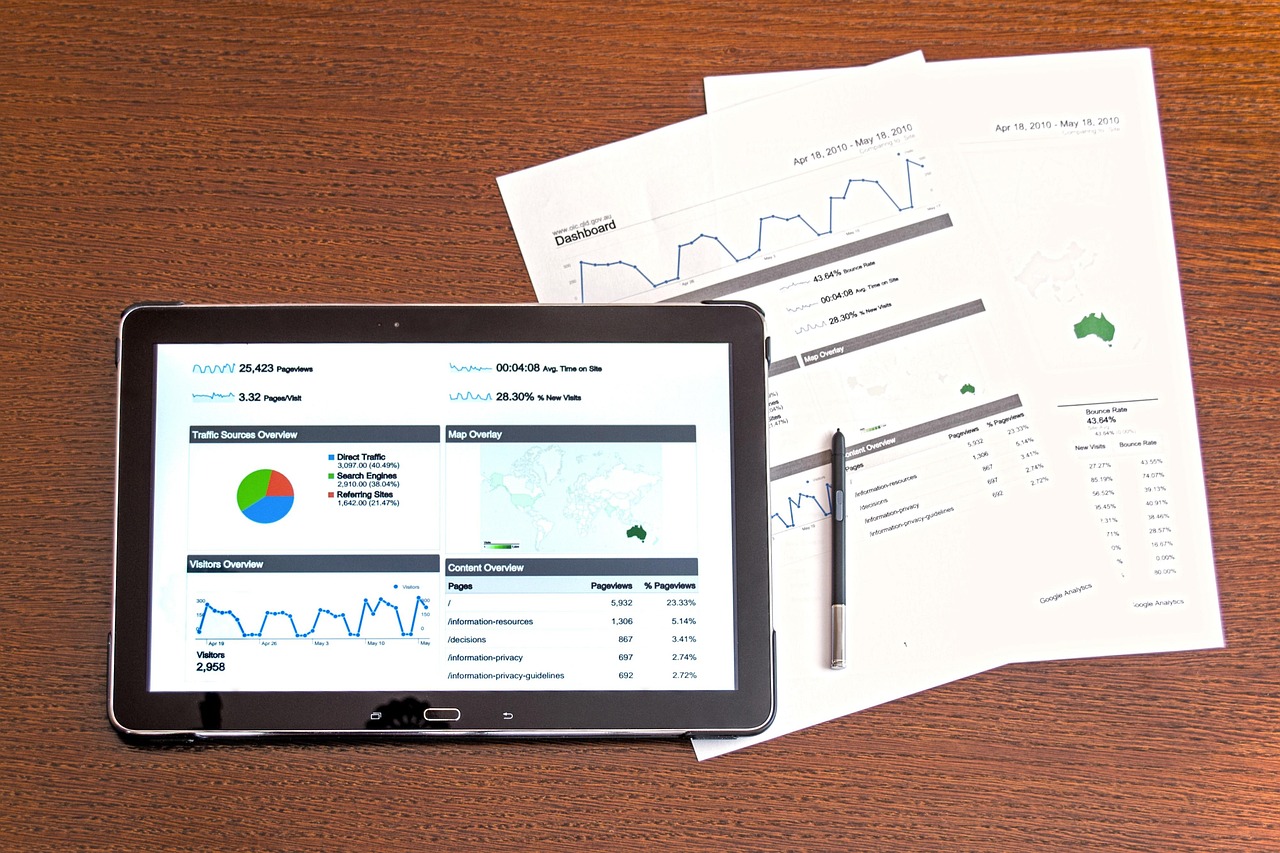
Imagine a bustling marketplace where every vendor shouts about their product, but no one can hear the customer’s true needs. In the digital world, marketers face a similar flood of data—from social media comments to website clicks, email opens, and ad impressions. Sifting through this sea of numbers often feels like trying to hear a single conversation in a crowded stadium. The result is missed opportunities, wasted ad spend, and campaigns that never reach their full potential. An AI marketing analytics platform acts like a seasoned interpreter, translating raw data into clear, actionable insights that guide every marketing decision.
When a company finally adopts such a platform, it gains the ability to predict which customers are most likely to convert, identify the content that truly resonates, and allocate budgets with surgical precision. This shift from guesswork to data-driven confidence can increase ROI (return on investment) by double digits and free up creative teams to focus on storytelling rather than spreadsheet gymnastics. The following deep‑dive explains what an AI marketing analytics platform is, the cutting‑edge technologies powering it, why it’s capturing the attention of marketers worldwide, and what the future holds for this transformative tool.
📝 What's In This Article
What Does AI Marketing Analytics Platform Mean?
An AI marketing analytics platform is a software suite that uses artificial intelligence (AI)—computer systems designed to mimic human intelligence—to automatically collect, process, and analyze marketing data from multiple sources. It then presents the findings in an easy‑to‑understand format, often with visual dashboards, predictive scores, and automated recommendations. In simpler terms, think of it as a super‑charged accountant that not only tallies every transaction but also forecasts future trends and suggests the best financial moves, only it does this for marketing activities. marketing analytics platform
These platforms integrate data from channels such as social media, email marketing, search engine advertising, website analytics, and CRM (customer relationship management) systems. By unifying disparate data streams, they eliminate data silos—isolated pockets of information that prevent a holistic view of performance. The AI algorithms then apply techniques like machine learning (a method where computers improve through experience) and natural language processing (technology that understands human language) to uncover hidden patterns, segment audiences, and predict outcomes.
| Feature | Traditional Tools | AI Platform | Benefit |
|---|---|---|---|
| Data Integration | Manual CSV imports | Automatic API connections | Time saved, fewer errors |
| Insight Generation | Static reports | Predictive dashboards | Proactive decisions |
| Audience Segmentation | Manual list building | AI‑driven clusters | More precise targeting |
| Budget Optimization | Fixed allocations | Real‑time bid adjustments | Higher ROI |
Latest AI Marketing Analytics Technologies
1. Predictive Attribution Modeling
Predictive attribution modeling uses machine learning to assign credit to each touchpoint in a customer’s path, forecasting which interactions most influence conversions. Unlike traditional last‑click models, it considers the full sequence of engagements.
By analyzing millions of past interactions, the algorithm learns the probability that a specific ad, email, or social post will lead to a sale. Marketers can then allocate spend to the channels that truly drive revenue, rather than those that merely appear at the end of the funnel.
- What You Gain:
- Clear view of channel effectiveness, reducing wasted spend.
- Ability to forecast future conversions based on current campaigns.
- Data‑backed confidence when presenting budgets to leadership.
2. Natural Language Generation (NLG) Reports
Natural Language Generation transforms raw data into human‑readable narratives, automatically writing performance summaries. Think of it as a journalist that reads the numbers and writes a story for you.
The technology scans dashboards, identifies key trends, and composes concise paragraphs that highlight wins, anomalies, and recommendations. This saves analysts hours of manual report writing and ensures stakeholders receive consistent, jargon‑free updates. technology scans dashboards
- What You Gain:
- Instant, understandable reports delivered to inboxes.
- Reduced reliance on specialist analysts for routine updates.
- Standardized language that prevents misinterpretation.
3. Real‑Time Sentiment Analysis
Real‑time sentiment analysis applies natural language processing to social mentions, reviews, and chat logs, categorizing emotions as positive, neutral, or negative. It works like a mood detector for your brand.
When a sudden spike in negative sentiment occurs, the platform can trigger alerts, allowing marketers to respond quickly—whether by adjusting messaging or addressing a PR issue. Conversely, positive sentiment spikes can be amplified through paid promotion.
- What You Gain:
- Early warning system for brand crises.
- Opportunity to boost high‑performing content instantly.
- Deeper understanding of customer emotions across channels.
4. Automated Audience Look‑Alike Modeling
Look‑alike modeling uses AI to find new prospects who resemble your best customers based on behavior, demographics, and purchase history. It’s akin to finding a twin for every loyal shopper.
The algorithm scans existing customer data, identifies common traits, and then scans broader data pools to locate similar profiles. Marketers can then target these look‑alikes with tailored ads, expanding reach without sacrificing relevance.
- What You Gain:
- Higher acquisition efficiency by targeting proven profiles.
- Scalable growth without extensive manual research.
- Improved ad relevance, leading to lower cost‑per‑click.
5. Adaptive Creative Optimization
Adaptive creative optimization leverages AI to test multiple ad variations simultaneously, automatically selecting the top‑performing creative in real time. Imagine a chef who constantly tweaks a recipe based on diners’ reactions. Adaptive creative optimization
Machine learning evaluates elements such as headlines, images, and calls‑to‑action, reallocating budget toward the combinations that generate the highest engagement. This continuous testing loop ensures campaigns stay fresh and effective throughout their lifespan.
- What You Gain:
- Dynamic ad performance improvements without manual A/B testing.
- Reduced creative fatigue, keeping audiences engaged.
- Optimized spend toward the most compelling visuals and copy.
Why People Are Paying Attention
✔ Data‑Driven Decision Making
Marketers can replace intuition with concrete evidence, leading to more reliable outcomes and stronger justification for budget allocations.
✔ Faster Campaign Iteration
AI quickly surfaces what works and what doesn’t, allowing teams to pivot in hours instead of weeks, keeping pace with rapidly changing market trends. quickly surfaces what
✔ Cost Efficiency
By identifying low‑performing spend and reallocating to high‑ROI channels, overall marketing costs drop while revenue climbs.
✔ Personalized Customer Experiences
AI uncovers individual preferences, enabling one‑to‑one messaging that boosts engagement and loyalty.
✔ Competitive Advantage Competitive Advantage
Early adopters gain insights faster than rivals, translating into market share gains and stronger brand positioning.
✔ Scalability
Automation handles growing data volumes effortlessly, supporting expansion into new markets without proportional staff increases.
What to Expect Next
- Deeper Integration with Customer Data Platforms (CDPs)
AI analytics will pull richer, unified profiles from CDPs, allowing hyper‑personalization across every touchpoint.
- Explainable AI (XAI) Dashboards
Future platforms will provide transparent reasoning behind each recommendation, building trust among non‑technical marketers. Future platforms will
- Edge Computing for Real‑Time Insights
Processing data at the source (e.g., on a user’s device) will reduce latency, delivering instant insights for time‑critical campaigns.
- Cross‑Channel Attribution Powered by Graph Neural Networks
Advanced graph algorithms will map complex customer journeys across offline and online channels, delivering even more accurate credit allocation.
- AI‑Generated Creative Assets
Generative models will draft copy, design layouts, and even video snippets, further shrinking the creative production cycle.
| Industry | Typical ROI Increase | Key AI Feature Used | Implementation Timeline |
|---|---|---|---|
| E‑commerce | 30‑45% | Predictive Attribution & Look‑Alike Modeling | 3‑6 months |
| Travel & Hospitality | 25‑35% | Sentiment Analysis & Real‑Time Optimization | 4‑8 months |
| Financial Services | 20‑30% | Explainable AI & Attribution Modeling | 5‑9 months |
| Healthcare | 15‑25% | NLG Reporting & Sentiment Monitoring | 6‑10 months |
One Last Thing
An AI marketing analytics platform turns scattered data into a clear strategic roadmap, empowering marketers to act with confidence and speed. By embracing the latest AI technologies, businesses can boost efficiency, personalize experiences, and stay ahead of competitors. The future promises even tighter integration, transparency, and creative automation, making AI analytics an essential pillar of modern marketing success.

Leave a Reply