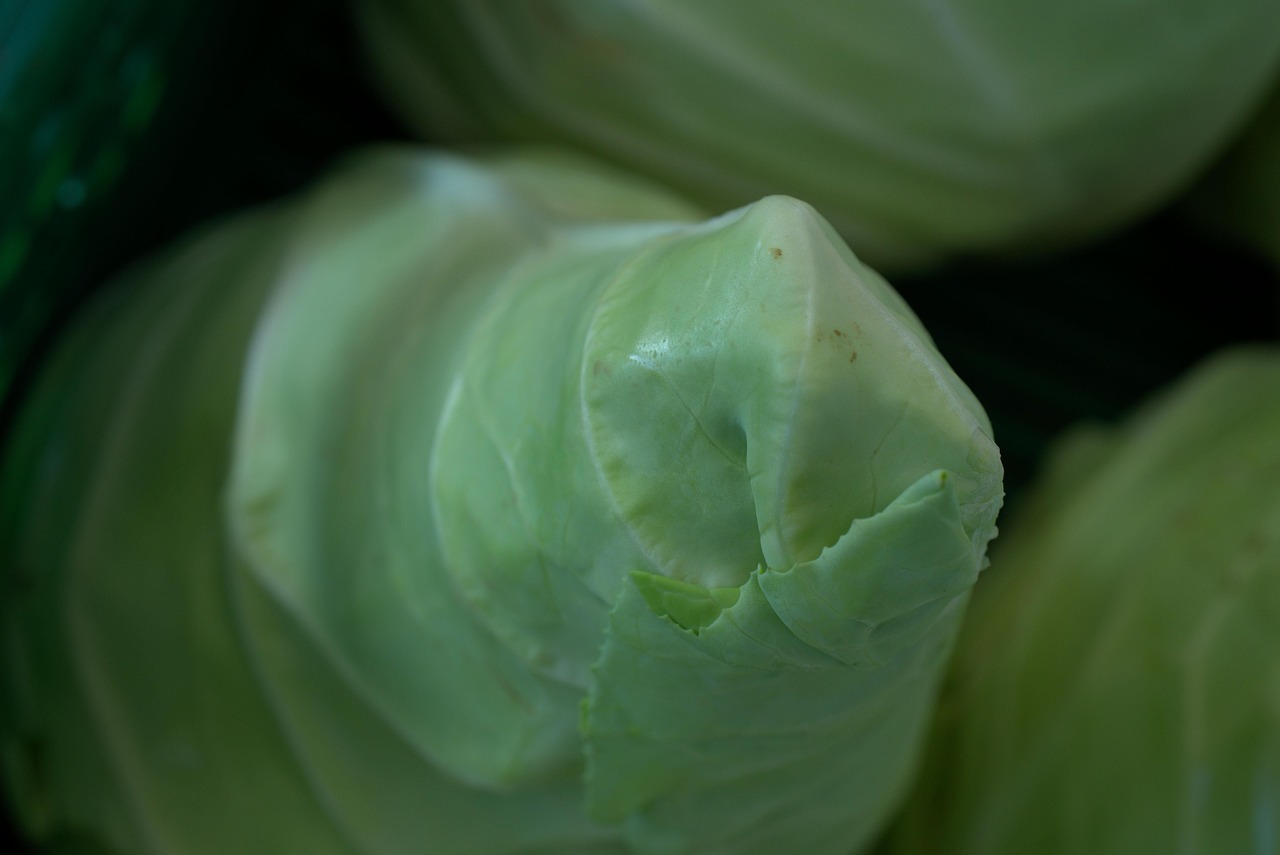
Over 1.2 million people worldwide have tried the cabbage soup diet at least once, according to a 2023 health survey. That staggering number shows how tempting a quick‑fix diet can be. Choosing the right approach matters because a diet that promises rapid results can also jeopardize nutrition, metabolism, and long‑term well‑being. The right plan balances calorie reduction with essential vitamins, keeps energy stable, and fits a realistic lifestyle. It isn’t just about dropping pounds; it’s about staying healthy while you do it. Choosing wisely can mean the difference between a sustainable habit and a short‑lived crash.
📝 Article Overview
What Is the Cabbage Soup Diet?
Before diving into the sea of recipes and miracle claims, it helps to understand the core concept. The cabbage soup diet is a short‑term, low‑calorie regimen that centers on a broth made primarily from cabbage, tomatoes, onions, and a few seasonings. Typically, the diet lasts for seven days, during which participants consume the soup several times a day alongside limited portions of fruit, protein, and starch.
Historically, the diet emerged in the late 1970s as a “detox” fad, marketed by weight‑loss pamphlets that promised up to 10 pounds of loss in a single week. Modern nutritionists, however, view it as a calorie‑restriction plan rather than a true detox. The key to evaluating any version of the diet lies in its nutritional profile, ease of adherence, and potential side effects. single week Modern
| Metric | Typical Value |
|---|---|
| Calories per day | 800‑1,200 |
| Protein (g) | 30‑45 |
| Fiber (g) | 15‑25 |
| Key Vitamins | C, K, B‑complex |
Top Cabbage Soup Diet Innovations to Know
Classic 7‑Day Cabbage Soup
The original version, often called the “Classic 7‑Day,” sticks to a single soup recipe for the entire week, with fruit and protein allowances on specific days.
- Why It Works:
- Very low calorie intake forces rapid weight loss.
- High fiber from cabbage promotes satiety.
- Simple ingredients keep grocery costs low.
- Current Limitations:
- Lacks sufficient protein for muscle maintenance.
- Potential nutrient gaps if fruit portions are missed.
Best for: Those seeking a strict, short‑term jump‑start.
Protein‑Enhanced Cabbage Soup
This variation adds lean chicken breast, tofu, or lentils to the broth, boosting protein without adding many calories.
- Why It Works:
- Higher protein preserves lean mass.
- Improves blood‑sugar stability.
- Still maintains low overall calories.
- Current Limitations:
- Preparation time increases.
- May raise cost slightly due to protein sources.
Best for: Individuals who want weight loss without sacrificing muscle. want weight loss
Vegetarian/Vegan Cabbage Soup
All animal products are omitted; beans, chickpeas, or tempeh replace meat, and nutritional yeast adds B‑vitamins.
- Why It Works:
- Fits plant‑based dietary preferences.
- Provides complete amino acid profile when combined with legumes.
- Rich in antioxidants from added vegetables.
- Current Limitations:
- May require careful planning to hit protein targets.
- Some people find the texture less satisfying.
Best for: Vegans and vegetarians looking for a low‑calorie plan.
Low‑Sodium Cabbage Soup
Designed for those monitoring blood pressure, this version reduces added salt and uses low‑sodium broth.
- Why It Works:
- Supports cardiovascular health.
- Reduces water retention, enhancing perceived weight loss.
- Flavor is enhanced with herbs instead of salt.
- Current Limitations:
- Flavor may be bland for some palates.
- May require additional electrolytes if followed strictly.
Best for: People with hypertension or sodium‑sensitive conditions. sodiumsensitive conditions
Intermittent‑Fast Cabbage Soup Hybrid
Combines the soup diet with a 16:8 fasting schedule, allowing the soup to be consumed only within an eight‑hour window each day.
- Why It Works:
- Fasting can further reduce overall calorie intake.
- Improves insulin sensitivity.
- Provides flexibility for those who prefer fewer meals.
- Current Limitations:
- May cause dizziness for beginners.
- Requires disciplined timing.
Best for: Experienced dieters comfortable with time‑restricted eating.
| Option | Best For | Difficulty | Cost | Speed of Results |
|---|---|---|---|---|
| Classic 7‑Day | Rapid weight drop | Easy | Low | Fast |
| Protein‑Enhanced | Muscle preservation | Moderate | Medium | Fast |
| Vegetarian/Vegan | Plant‑based eaters | Moderate | Low‑Medium | Moderate |
| Low‑Sodium | Blood‑pressure control | Easy | Low | Fast |
| Intermittent‑Fast Hybrid | Fasting enthusiasts | Hard | Medium | Very Fast |
How to Choose the Right One
Deciding which cabbage soup diet variation fits an individual’s lifestyle begins with a clear assessment of personal health goals. Weight‑loss speed is often the first factor; if the primary aim is to shed a few pounds quickly for an event, the Classic 7‑Day or Low‑Sodium versions provide the most immediate results. However, rapid loss can also mean a higher risk of muscle loss, fatigue, and rebound weight gain.
Next, consider nutritional adequacy. Those who train regularly or have higher protein needs should gravitate toward the Protein‑Enhanced option. Adding lean chicken or plant proteins ensures that the body retains lean tissue while still operating in a caloric deficit. Next consider nutritional
Dietary preferences and restrictions cannot be ignored. For vegans, the Vegetarian/Vegan version eliminates animal products while still delivering fiber and micronutrients. It may require a careful blend of legumes, nuts, and seeds to meet protein goals, but the result is a balanced, cruelty‑free plan.
Another crucial factor is medical considerations. Individuals with hypertension, kidney disease, or electrolyte imbalances must evaluate sodium and potassium content. The Low‑Sodium version minimizes added salt, but anyone on medication that influences fluid balance should consult a healthcare professional before starting.
Finally, assess lifestyle compatibility. The Intermittent‑Fast Hybrid demands strict eating windows, which may clash with shift work or family meals. In contrast, the Classic version requires only basic cooking skills and can be prepared in bulk, making it ideal for busy parents.
In practice, a decision matrix that scores each factor—weight‑loss speed, protein need, dietary restriction, medical condition, and lifestyle fit—helps narrow the field. Assigning numeric values (e.g., 1‑5) to each criterion and tallying the totals can reveal the most suitable option without guesswork. scores each factorweightloss
Why This Matters to You
Choosing the correct cabbage soup diet version safeguards muscle mass. When protein is sufficient, the body burns fat rather than lean tissue, preserving strength and metabolism.
Proper selection also protects metabolic health. A diet that is too low in calories for an extended period can trigger a slowdown in basal metabolic rate, making future weight maintenance harder.
Another benefit is nutrient sufficiency. The right version ensures intake of vitamins C and K, fiber, and electrolytes, preventing deficiencies that could cause fatigue or immune weakness.
Adhering to a plan aligned with personal preferences improves adherence rates. When meals are enjoyable and fit daily routines, the likelihood of completing the seven‑day cycle rises dramatically. personal preferences improves
For those with chronic conditions, the correct choice can reduce health risks. Low‑sodium or medically‑tailored versions lower the chance of exacerbating hypertension or renal strain.
Lastly, a well‑matched diet offers psychological satisfaction. Feeling in control of food choices reduces stress, which itself can influence weight outcomes.
To Sum Up
The cabbage soup diet remains a popular short‑term weight‑loss tool, but success hinges on matching the right variation to individual needs. Evaluate calorie goals, protein requirements, dietary restrictions, medical conditions, and lifestyle constraints before committing. With a thoughtful choice, the diet can provide quick results while preserving health and motivation.


Leave a Reply