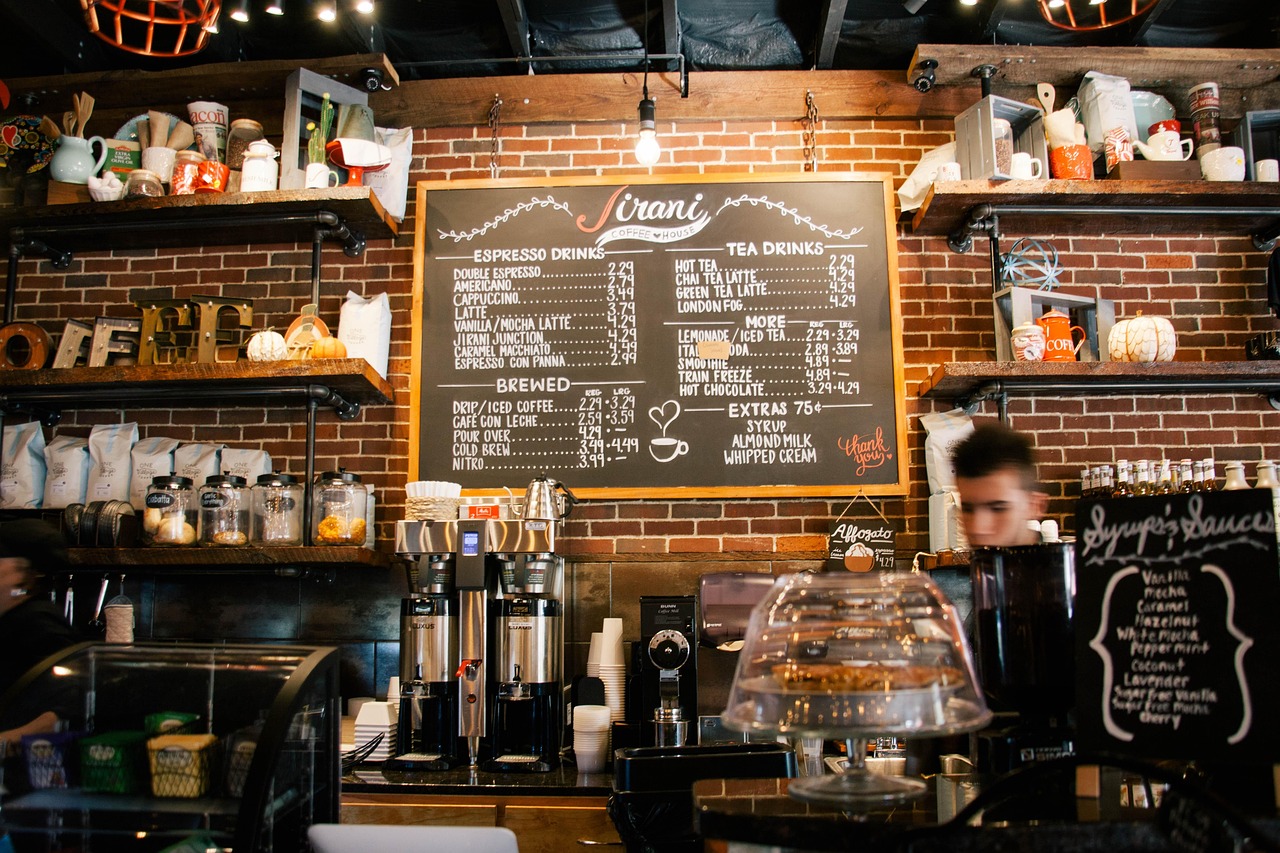
What if the secret to a restaurant’s success lay not in the food itself, but in the way the menu was designed? Most restaurant owners assume that creating a menu is a simple matter of listing dishes and their prices, but the reality is that menu optimization is a complex task that can make or break a business. Can AI really help optimize menus to boost sales and customer satisfaction? The answer is a resounding yes. With the help of artificial intelligence, restaurants can now create menus that are tailored to their customers’ preferences, leading to increased sales and customer loyalty.
The key to successful menu optimization is data analysis, and this is where AI comes in. By analyzing customer data, sales trends, and menu item profitability, AI can identify patterns and trends that would be impossible for a human to detect. This information can then be used to create a menu that is optimized for maximum profitability and customer satisfaction. But how does it work, and what are the benefits of using AI for menu optimization?
The process of AI menu optimization involves several steps, including data collection, analysis, and implementation. First, data is collected on customer ordering habits, sales trends, and menu item profitability. This data is then analyzed using machine learning algorithms to identify patterns and trends. Finally, the results of the analysis are used to create a menu that is optimized for maximum profitability and customer satisfaction.
The benefits of using AI for menu optimization are numerous, and include increased sales, improved customer satisfaction, and enhanced competitiveness. By creating a menu that is tailored to their customers’ preferences, restaurants can increase sales and improve customer loyalty. Additionally, AI menu optimization can help restaurants to stay ahead of the competition by identifying trends and patterns that may not be immediately apparent.
But how does AI menu optimization work in practice? Let’s take a look at some real examples of restaurants that have used AI to optimize their menus and boost sales.
📝 What You'll Learn
A Closer Look at AI Menu Optimization
AI menu optimization is a relatively new field, but it has already shown tremendous promise in the restaurant industry. By using data analytics and machine learning, restaurants can create menus that are tailored to their customers’ preferences, leading to increased sales and customer loyalty. But what exactly is AI menu optimization, and how does it work?
AI menu optimization involves the use of artificial intelligence to analyze customer data, sales trends, and menu item profitability. This information is then used to create a menu that is optimized for maximum profitability and customer satisfaction. The process involves several steps, including data collection, analysis, and implementation.
One of the key benefits of AI menu optimization is its ability to identify patterns and trends that may not be immediately apparent. For example, a restaurant may find that certain menu items are more popular at certain times of the day or week, or that certain combinations of dishes are more profitable than others. By analyzing this data, restaurants can create menus that are tailored to their customers’ preferences, leading to increased sales and customer loyalty.
The following table shows a comparison of different AI menu optimization techniques: following table shows
| Technique | Description | Benefits | Limitations |
|---|---|---|---|
| Machine Learning | Uses machine learning algorithms to analyze customer data and sales trends | Identifies patterns and trends that may not be immediately apparent | Requires large amounts of data to be effective |
| Data Analytics | Uses data analytics to analyze customer data and sales trends | Provides insights into customer behavior and preferences | May not identify patterns and trends that are not immediately apparent |
| Menu Engineering | Uses menu engineering techniques to optimize menu design and layout | Improves customer satisfaction and loyalty | May not take into account customer data and sales trends |
| Hybrid Approach | Uses a combination of machine learning, data analytics, and menu engineering techniques | Provides a comprehensive approach to menu optimization | May be more complex and time-consuming to implement |
AI Menu Optimization Methods Worth Knowing
Machine Learning-Based Menu Optimization
Machine learning-based menu optimization involves the use of machine learning algorithms to analyze customer data and sales trends. This information is then used to create a menu that is optimized for maximum profitability and customer satisfaction. The benefits of this approach include the ability to identify patterns and trends that may not be immediately apparent, as well as the ability to create a menu that is tailored to customer preferences.
The process of machine learning-based menu optimization involves several steps, including data collection, analysis, and implementation. First, data is collected on customer ordering habits, sales trends, and menu item profitability. This data is then analyzed using machine learning algorithms to identify patterns and trends. Finally, the results of the analysis are used to create a menu that is optimized for maximum profitability and customer satisfaction.
Advantages:
- Identifies patterns and trends that may not be immediately apparent
- Creates a menu that is tailored to customer preferences
- Improves customer satisfaction and loyalty
Data Analytics-Based Menu Optimization
Data analytics-based menu optimization involves the use of data analytics to analyze customer data and sales trends. This information is then used to create a menu that is optimized for maximum profitability and customer satisfaction. The benefits of this approach include the ability to provide insights into customer behavior and preferences, as well as the ability to identify areas for improvement.
The process of data analytics-based menu optimization involves several steps, including data collection, analysis, and implementation. First, data is collected on customer ordering habits, sales trends, and menu item profitability. This data is then analyzed using data analytics techniques to identify patterns and trends. Finally, the results of the analysis are used to create a menu that is optimized for maximum profitability and customer satisfaction.
Advantages:
- Provides insights into customer behavior and preferences
- Identifies areas for improvement
- Improves customer satisfaction and loyalty
Menu Engineering-Based Menu Optimization
Menu engineering-based menu optimization involves the use of menu engineering techniques to optimize menu design and layout. This information is then used to create a menu that is optimized for maximum profitability and customer satisfaction. The benefits of this approach include the ability to improve customer satisfaction and loyalty, as well as the ability to increase sales and profitability.
The process of menu engineering-based menu optimization involves several steps, including menu analysis, design, and implementation. First, the menu is analyzed to identify areas for improvement. Then, the menu is redesigned to optimize menu design and layout. Finally, the results of the analysis are used to create a menu that is optimized for maximum profitability and customer satisfaction.
Advantages: check this out
- Improves customer satisfaction and loyalty
- Increases sales and profitability
- Optimizes menu design and layout
Improves customer satisfaction
Hybrid Approach to Menu Optimization
A hybrid approach to menu optimization involves the use of a combination of machine learning, data analytics, and menu engineering techniques. This information is then used to create a menu that is optimized for maximum profitability and customer satisfaction. The benefits of this approach include the ability to provide a comprehensive approach to menu optimization, as well as the ability to identify patterns and trends that may not be immediately apparent.
The process of a hybrid approach to menu optimization involves several steps, including data collection, analysis, and implementation. First, data is collected on customer ordering habits, sales trends, and menu item profitability. This data is then analyzed using a combination of machine learning, data analytics, and menu engineering techniques to identify patterns and trends. Finally, the results of the analysis are used to create a menu that is optimized for maximum profitability and customer satisfaction.
Advantages:
- Provides a comprehensive approach to menu optimization
- Identifies patterns and trends that may not be immediately apparent
- Improves customer satisfaction and loyalty
Real-World Applications of AI Menu Optimization
AI menu optimization has a wide range of real-world applications, from fast food chains to fine dining restaurants. The benefits of this approach include the ability to increase sales and profitability, as well as the ability to improve customer satisfaction and loyalty.
The process of real-world applications of AI menu optimization involves several steps, including data collection, analysis, and implementation. First, data is collected on customer ordering habits, sales trends, and menu item profitability. This data is then analyzed using AI algorithms to identify patterns and trends. Finally, the results of the analysis are used to create a menu that is optimized for maximum profitability and customer satisfaction.
Advantages:
- Increases sales and profitability
- Improves customer satisfaction and loyalty
- Optimizes menu design and layout
Why This Matters to You
✔ Increased Sales and Profitability
AI menu optimization can help restaurants increase sales and profitability by identifying patterns and trends that may not be immediately apparent. By creating a menu that is tailored to customer preferences, restaurants can increase sales and improve customer loyalty. help restaurants increase
✔ Improved Customer Satisfaction and Loyalty Improved Customer Satisfaction
AI menu optimization can help restaurants improve customer satisfaction and loyalty by providing insights into customer behavior and preferences. By creating a menu that is optimized for maximum profitability and customer satisfaction, restaurants can improve customer satisfaction and loyalty.
✔ Enhanced Competitiveness
AI menu optimization can help restaurants enhance their competitiveness by identifying areas for improvement and optimizing menu design and layout. By creating a menu that is optimized for maximum profitability and customer satisfaction, restaurants can stay ahead of the competition.
✔ Better Decision Making
AI menu optimization can help restaurants make better decisions by providing insights into customer behavior and preferences. By analyzing data on customer ordering habits, sales trends, and menu item profitability, restaurants can make informed decisions about menu design and layout.
✔ Increased Efficiency
AI menu optimization can help restaurants increase efficiency by automating the process of menu optimization. By using AI algorithms to analyze data and identify patterns and trends, restaurants can save time and resources.
✔ Improved Menu Design and Layout
AI menu optimization can help restaurants improve menu design and layout by providing insights into customer behavior and preferences. By creating a menu that is optimized for maximum profitability and customer satisfaction, restaurants can improve menu design and layout.
Where This Is Headed
- Increased Adoption of AI Menu Optimization
- Improved Accuracy and Efficiency
- Increased Use of Machine Learning and Data Analytics
- More Personalized Menus
- Greater Integration with Other Restaurant Systems
The use of AI menu optimization is expected to increase in the coming years as more restaurants realize the benefits of this approach. As the technology continues to evolve, we can expect to see more advanced AI algorithms and techniques being used to optimize menus.
The increased adoption of AI menu optimization will have a significant impact on the restaurant industry, as it will allow restaurants to create menus that are tailored to their customers’ preferences, leading to increased sales and customer loyalty.
The accuracy and efficiency of AI menu optimization are expected to improve in the coming years as the technology continues to evolve. As more data becomes available, AI algorithms will be able to identify patterns and trends with greater accuracy, leading to more effective menu optimization.
The improved accuracy and efficiency of AI menu optimization will have a significant impact on the restaurant industry, as it will allow restaurants to make better decisions about menu design and layout, leading to increased sales and customer loyalty.
The use of machine learning and data analytics in AI menu optimization is expected to increase in the coming years as more restaurants realize the benefits of these approaches. As the technology continues to evolve, we can expect to see more advanced machine learning and data analytics techniques being used to optimize menus.
The increased use of machine learning and data analytics in AI menu optimization will have a significant impact on the restaurant industry, as it will allow restaurants to create menus that are tailored to their customers’ preferences, leading to increased sales and customer loyalty. menu optimization will
The use of AI menu optimization is expected to lead to more personalized menus in the coming years. As restaurants are able to collect more data on customer ordering habits and preferences, they will be able to create menus that are tailored to individual customers, leading to increased sales and customer loyalty.
The creation of more personalized menus will have a significant impact on the restaurant industry, as it will allow restaurants to differentiate themselves from their competitors and create a unique dining experience for their customers.
The use of AI menu optimization is expected to lead to greater integration with other restaurant systems in the coming years. As the technology continues to evolve, we can expect to see more advanced integration with point-of-sale systems, inventory management systems, and other restaurant software.
The greater integration of AI menu optimization with other restaurant systems will have a significant impact on the restaurant industry, as it will allow restaurants to streamline their operations and make better decisions about menu design and layout.
The following table shows a comparison of different restaurant software systems:
| System | Description | Benefits | Limitations |
|---|---|---|---|
| Point-of-Sale System | Manages sales transactions and tracks customer data | Streamlines sales transactions and provides insights into customer behavior | May not integrate with other restaurant systems |
| Inventory Management System | Manages inventory levels and tracks suppliers | Streamlines inventory management and reduces waste | May not integrate with other restaurant systems |
| Restaurant Software | Manages restaurant operations and provides insights into customer behavior | Streamlines restaurant operations and provides insights into customer behavior | May be complex and difficult to use |
| AI Menu Optimization System | Optimizes menu design and layout using AI algorithms | Creates menus that are tailored to customer preferences and increases sales and profitability | May require significant amounts of data to be effective |
The Bottom Line
AI menu optimization is a powerful tool that can help restaurants increase sales and profitability, improve customer satisfaction and loyalty, and enhance their competitiveness. By using AI algorithms to analyze customer data and sales trends, restaurants can create menus that are tailored to their customers’ preferences, leading to increased sales and customer loyalty.
The use of AI menu optimization is expected to continue to grow in the coming years, as more restaurants realize the benefits of this approach. As the technology continues to evolve, we can expect to see more advanced AI algorithms and techniques being used to optimize menus, leading to even greater benefits for restaurants and their customers.
Overall, AI menu optimization is a big deal for the restaurant industry, and its impact will be felt for years to come.


Leave a Reply