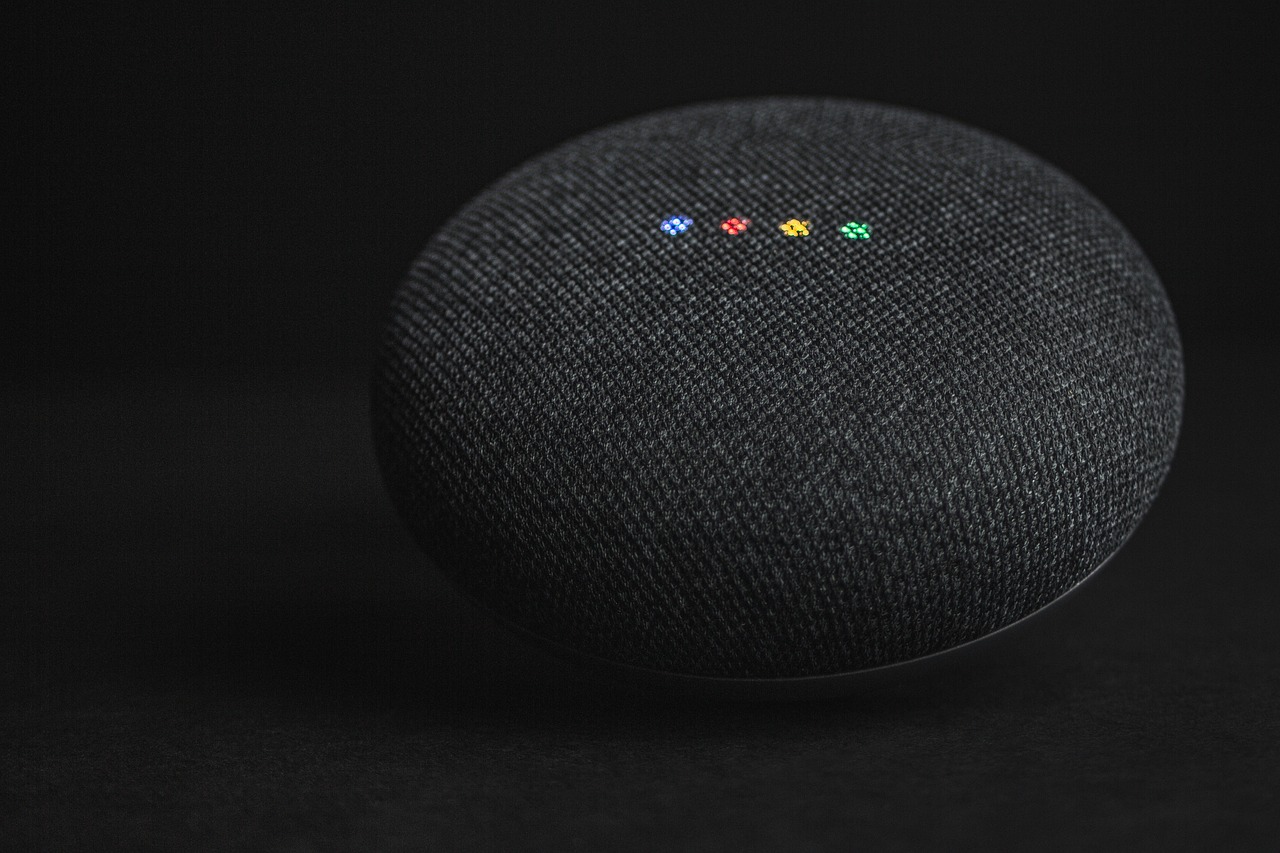
According to a recent report, over 50% of households in the United States have at least one AI voice assistant – a computer program that uses natural language processing (NLP) – a subfield of artificial intelligence that deals with the interaction between computers and humans in natural language, to understand and respond to voice commands. For someone who just discovered this topic, it might seem like a futuristic concept, but the reality is that AI voice assistants have been around for several years and are becoming increasingly popular. One of the main reasons for their growing popularity is the convenience they offer – users can control their devices, access information, and perform tasks without having to physically interact with them. This is especially useful for people with disabilities, elderly individuals, and those who are always on-the-go. The significance of this 50% adoption rate is that it indicates a major shift in the way people interact with technology, and it is expected to continue growing in the coming years.
The use of AI voice assistants is not limited to personal use; they are also being used in various industries, such as healthcare, education, and customer service, to improve efficiency and provide better services. For example, AI voice assistants can be used in hospitals to help patients communicate with nurses and doctors, or in classrooms to assist teachers with lesson plans and student assessments. As the technology continues to evolve, we can expect to see even more innovative applications of AI voice assistants in different fields.
For beginners, it is essential to understand the basics of AI voice assistants and how they work. This includes understanding the concepts of artificial intelligence (AI) – a type of computer science that enables machines to think and learn like humans, machine learning (ML) – a subset of AI that allows systems to improve their performance on a task without being explicitly programmed, and natural language processing (NLP) – a subfield of AI that deals with the interaction between computers and humans in natural language. By grasping these fundamental concepts, users can better appreciate the capabilities and limitations of AI voice assistants.
The future of AI voice assistants looks promising, with advancements in AI and ML technologies expected to improve their performance and accuracy. As the technology continues to advance, we can expect to see more features and capabilities added to AI voice assistants, such as improved language understanding, increased compatibility with different devices, and enhanced security measures. With the increasing adoption of AI voice assistants, it is essential to stay informed about the latest developments and trends in this field.
Breaking Down AI Voice Assistants
AI voice assistants are computer programs that use artificial intelligence (AI) – a type of computer science that enables machines to think and learn like humans, and machine learning (ML) – a subset of AI that allows systems to improve their performance on a task without being explicitly programmed, to understand and respond to voice commands. They work by using natural language processing (NLP) – a subfield of AI that deals with the interaction between computers and humans in natural language, to interpret the user’s voice commands and generate responses. This process involves several steps, including speech recognition, intent identification, and response generation. By breaking down the process into these smaller steps, it is easier to understand how AI voice assistants work and how they can be improved.


Leave a Reply