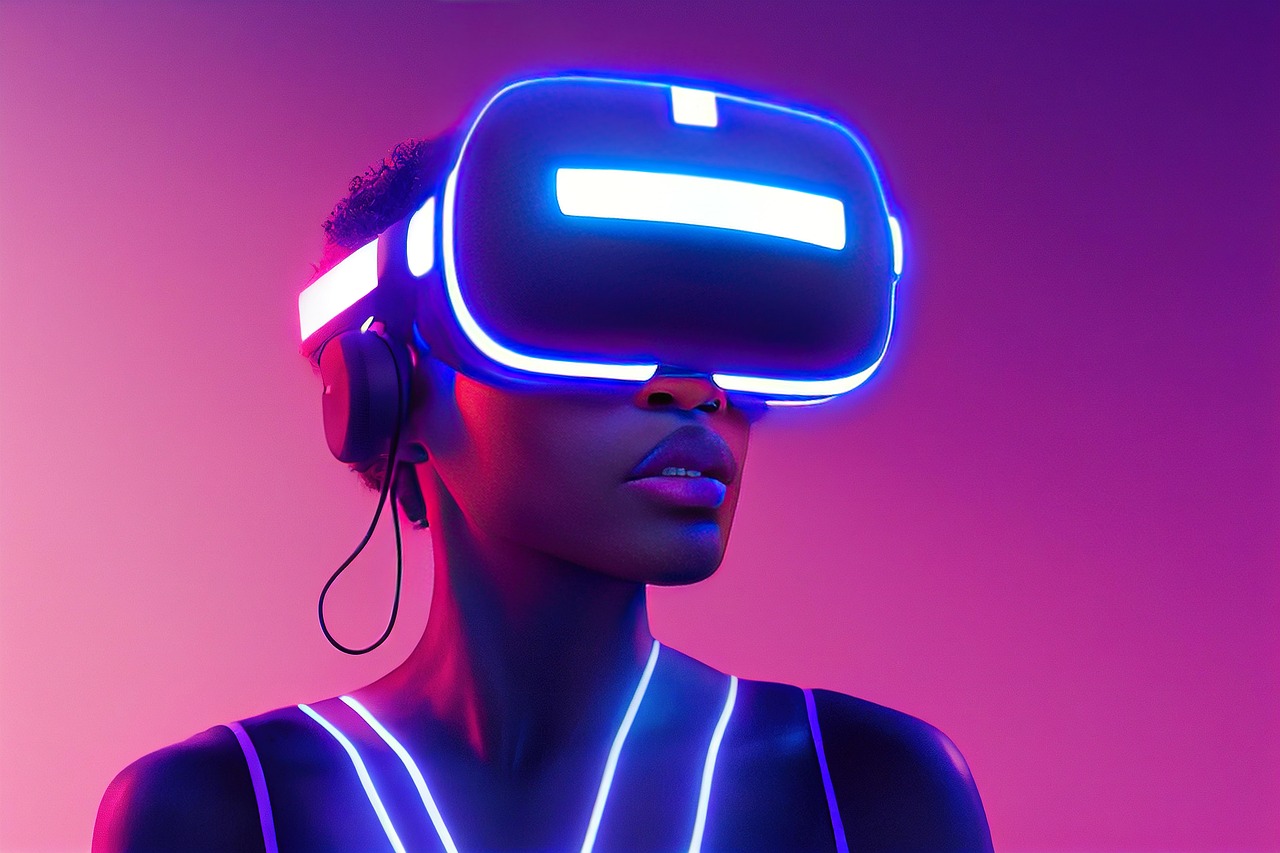
The concept of cyber futuristic outfits has been a staple in science fiction for decades, with movies like Blade Runner and The Matrix showcasing characters in sleek, high-tech attire. However, this idea is no longer confined to the world of fiction. Today, designers and technologists are collaborating to create clothing that not only looks futuristic but also incorporates advanced technology. For instance, the fashion brand, Iris van Herpen, has been at the forefront of creating such outfits, with her designs being showcased in top fashion events around the world. Despite the excitement around cyber futuristic outfits, many face the challenge of how to define and create such attire. This problem is compounded by the lack of clear guidelines and the steep learning curve associated with integrating technology into fashion.
📝 Contents
Common Challenges With Defining Cyber Futuristic Outfit (Step by Step)
Defining the Aesthetic
One of the primary challenges in creating cyber futuristic outfits is defining the aesthetic. This involves determining what cyber futuristic means in terms of color palette, material, and design elements. The reason this is challenging is that the term ‘cyber futuristic’ can be quite broad, encompassing a wide range of styles and themes. For example, some might envision a cyber futuristic outfit as predominantly neon-colored and sleek, while others might see it as more industrial and avant-garde. This diversity in interpretation can make it difficult for designers to pinpoint a specific look.
Integrating Technology
Another significant challenge is the integration of technology into the outfit. This could range from wearable electronics to smart fabrics. The issue here is not just about incorporating these technologies but doing so in a way that is both functional and aesthetically pleasing. For instance, embedding LED lights into clothing can be a great way to add a futuristic element, but it requires careful consideration of power supply, durability, and overall design coherence. This integration requires a deep understanding of both fashion and technology, which can be a hurdle for designers who specialize in one field over the other.
Material Selection
Selecting the right materials is also a crucial step in creating cyber futuristic outfits. The challenge lies in finding materials that are not only visually striking and futuristic-looking but also durable, comfortable, and capable of integrating technology. For example, materials like PVC, latex, and metallic-coated fabrics can give an outfit a futuristic appearance, but they may not always be the most practical choices in terms of wearability. The ideal material should balance form and function, which can be a difficult balance to strike. creating cyber futuristic
Cost and Accessibility
The cost and accessibility of materials and technologies needed for cyber futuristic outfits are additional challenges. Many of the advanced materials and technologies required to create these outfits can be expensive, making them inaccessible to a wide range of designers and consumers. This not only limits the market for cyber futuristic fashion but also hampers innovation, as fewer people are able to experiment with and contribute to the development of this fashion genre.
Sustainability
Sustainability is another challenge facing the cyber futuristic fashion industry. The integration of technology and the use of advanced materials can have significant environmental impacts, from the energy required to produce and power these outfits to the potential for electronic waste. Designers must consider how to make cyber futuristic outfits in a way that minimizes harm to the environment, which can be a complex problem to solve, especially when the focus is on creating something new and innovative.
Latest Technologies
1. Smart Fabrics
Smart fabrics are materials that have been designed to integrate technology, offering functionalities such as temperature regulation, health monitoring, and even self-cleaning properties. Implementing smart fabrics into cyber futuristic outfits involves selecting the appropriate fabric based on the desired functionality and then incorporating it into the design in a way that is both aesthetically pleasing and effective. For example, a designer might choose a fabric that changes color in response to environmental conditions, creating a dynamic and interactive element in the outfit. This can be achieved through various methods, including weaving electronic components into the fabric or applying coatings that react to external stimuli.
- Key Benefits:
- Enhanced wearer experience through interactive and responsive clothing.
- Potential health benefits from monitoring and regulation capabilities.
- Increased durability and reduced maintenance through self-cleaning properties.
2. Wearable Electronics
Wearable electronics, such as smart jewelry, watches, and fitness trackers, can be integrated into cyber futuristic outfits to add an extra layer of functionality. Implementing wearable electronics involves choosing devices that complement the outfit’s theme and functionality, then designing the outfit to seamlessly incorporate these devices. For example, a designer might create a cyber futuristic outfit with built-in wearable technology that monitors the wearer’s vital signs and displays them on embedded screens, creating a futuristic and high-tech appearance. This requires careful consideration of power supply, user interface, and overall design coherence.
- Key Benefits:
- Convenience and accessibility of information through wearable devices.
- Enhanced style and uniqueness of the outfit through the incorporation of electronic components.
- Potential for improving the wearer’s health and wellness through monitoring capabilities.
3. 3D Printing
3D printing technology allows for the creation of complex shapes and structures that cannot be produced through traditional manufacturing methods. Implementing 3D printing in cyber futuristic outfit design involves designing digital models of the desired components, such as accessories or structural elements, and then printing them. For instance, a designer might use 3D printing to create intricate, futuristic-looking jewelry or embellishments that can be attached to the outfit, adding a unique and high-tech element.
- Key Benefits:
- Unlimited possibilities for design complexity and customization.
- Reduced production time and increased efficiency compared to traditional methods.
- Potential for creating structures that are both strong and lightweight.
4. LED and Fiber Optic Integration
Integrating LED lights and fiber optics into cyber futuristic outfits can create stunning visual effects, from glowing patterns to dynamic displays. Implementing these technologies involves designing the outfit to incorporate LED strips or fiber optic threads in a way that achieves the desired visual effect. For example, a designer might create an outfit with LED lights that change color and pattern in response to music or environmental conditions, creating an interactive and immersive experience for the wearer and observers.
- Key Benefits:
- Ability to create dynamic, interactive, and responsive visual effects.
- Enhanced visibility and attention-grabbing potential in low-light conditions.
- Potential for conveying information or expressing the wearer’s mood through color and pattern changes.
5. Virtual and Augmented Reality Integration
Integrating virtual and augmented reality (VR/AR) technologies into cyber futuristic outfits can revolutionize the way we interact with clothing and our surroundings. Implementing VR/AR involves designing the outfit to work in conjunction with VR/AR devices, creating an immersive experience that blurs the lines between the physical and digital worlds. For instance, a designer might create an outfit that, when worn with AR glasses, displays virtual accessories or enhancements, allowing the wearer to customize their appearance in real-time. augmented reality VRAR
- Key Benefits:
- Enhanced wearer experience through immersive and interactive technologies.
- Potential for new forms of self-expression and personalization.
- Opportunities for innovative marketing and branding strategies through interactive experiences.
6. Biometric Data Visualization
Visualizing biometric data, such as heart rate or brain activity, onto the outfit can create a truly futuristic and dynamic visual effect. Implementing this technology involves integrating sensors that can monitor biometric data and then projecting this data onto the outfit in a visually appealing way. For example, a designer might create an outfit that displays the wearer’s heart rate as a pulsing pattern of lights, creating a unique and captivating display of the wearer’s physiological state.
- Key Benefits:
- Unique and dynamic visual effects that reflect the wearer’s physical state.
- Potential for real-time health monitoring and feedback.
- Enhanced self-awareness and understanding of one’s body through visualized data.
| Approach | Old Way | Better Way | Result |
|---|---|---|---|
| Material Selection | Traditional fabrics with limited functionality. | Smart fabrics with integrated technology. | Enhanced wearer experience and increased functionality. |
| Design Process | Manual design and prototyping. | Use of 3D printing and digital design tools. | Faster production times and more complex designs. |
| Technology Integration | Separate devices for each function. | Integrated systems within the outfit. | Increased convenience and reduced bulk. |
| Sustainability | Focus on style over environmental impact. | Design with sustainability and recyclability in mind. | Reduced environmental footprint and more responsible fashion practices. |
| Cost | High costs due to manual labor and traditional materials. | Reduced costs through efficient production methods and innovative materials. | Increased accessibility of cyber futuristic fashion to a wider audience. |
How This Affects Everyday Life
The impact of cyber futuristic outfits on everyday life can be seen in how they challenge traditional notions of fashion and technology. For example, the integration of health monitoring technology into clothing can encourage people to be more proactive about their health, potentially leading to better health outcomes. Moreover, the use of sustainable materials and production methods in cyber futuristic fashion can contribute to a more environmentally conscious apparel industry, reducing waste and promoting recycling.
In the workplace, cyber futuristic outfits can enhance professional environments by incorporating functional technologies that improve productivity and communication. For instance, uniforms with built-in translation devices can facilitate international collaborations, breaking down language barriers and enhancing global connectivity.
In social settings, cyber futuristic outfits can become a form of self-expression and art, allowing wearers to convey their personalities, interests, or values through interactive and dynamic displays. This can foster a sense of community among those who share similar tastes in fashion and technology, creating new social dynamics and trends.
Furthermore, the influence of cyber futuristic fashion can extend into the world of entertainment, inspiring new themes and costumes in movies, theater, and other performing arts. This can lead to a richer and more diverse cultural landscape, as the boundaries between fashion, technology, and art continue to blur.
Lastly, the educational sector can benefit from cyber futuristic outfits, as they can be used as interactive tools for teaching subjects like science, technology, engineering, and mathematics (STEM). For example, clothing with integrated sensors and displays can be used to demonstrate complex concepts in a tangible and engaging way, enhancing the learning experience for students.
Step-by-Step Action Plan
- Research and understand the current trends and technologies in cyber futuristic fashion, including smart materials, wearable electronics, and 3D printing, to gain a comprehensive understanding of the field and its possibilities.
- Define the specific goals and functionalities desired for the cyber futuristic outfit, whether it’s for health monitoring, sustainability, or purely aesthetic purposes, to guide the design and development process.
- Choose the appropriate materials and technologies based on the defined goals, considering factors such as durability, comfort, and cost, to ensure the outfit is both functional and practical.
- Design the outfit using digital tools and prototyping methods, such as 3D modeling and printing, to create a precise and detailed plan before moving to production, which helps in visualizing the final product and making necessary adjustments.
- Implement the design, integrating technologies and materials in a way that is both aesthetically pleasing and functional, ensuring that the outfit meets the desired specifications and performs as intended.
- Test the outfit to ensure it functions as expected and make any necessary adjustments, considering user feedback and performance data to refine the design and improve future iterations.
- Market and showcase the cyber futuristic outfit, highlighting its unique features and benefits, to attract potential buyers or collaborators and contribute to the growth of the cyber futuristic fashion community.
To Sum Up
The concept of cyber futuristic outfits represents a significant intersection of fashion, technology, and innovation, offering a glimpse into the potential future of clothing and personal expression. By understanding the challenges and opportunities in this field, designers and technologists can work together to create outfits that are not only visually stunning but also functional, sustainable, and accessible. As the boundaries between fashion and technology continue to blur, the possibilities for cyber futuristic fashion are endless, promising a future where clothing is not just something we wear but an integral part of our interactive and immersive experience of the world.
The future of cyber futuristic fashion is exciting and full of potential, with ongoing advancements in technology and materials science continuously expanding the possibilities for designers and wearers alike. Whether it’s through the integration of biometric data visualization, the use of sustainable smart fabrics, or the incorporation of virtual and augmented reality, cyber futuristic outfits are poised to redefine the way we think about, create, and interact with clothing.
As we move forward in this rapidly evolving field, it’s essential to consider the broader implications of cyber futuristic fashion, from its potential to improve health and wellness to its role in shaping cultural and social trends. By embracing this fusion of technology and fashion, we can unlock new avenues for self-expression, innovation, and progress, ultimately transforming the way we live, work, and interact with each other and our environment.


Leave a Reply