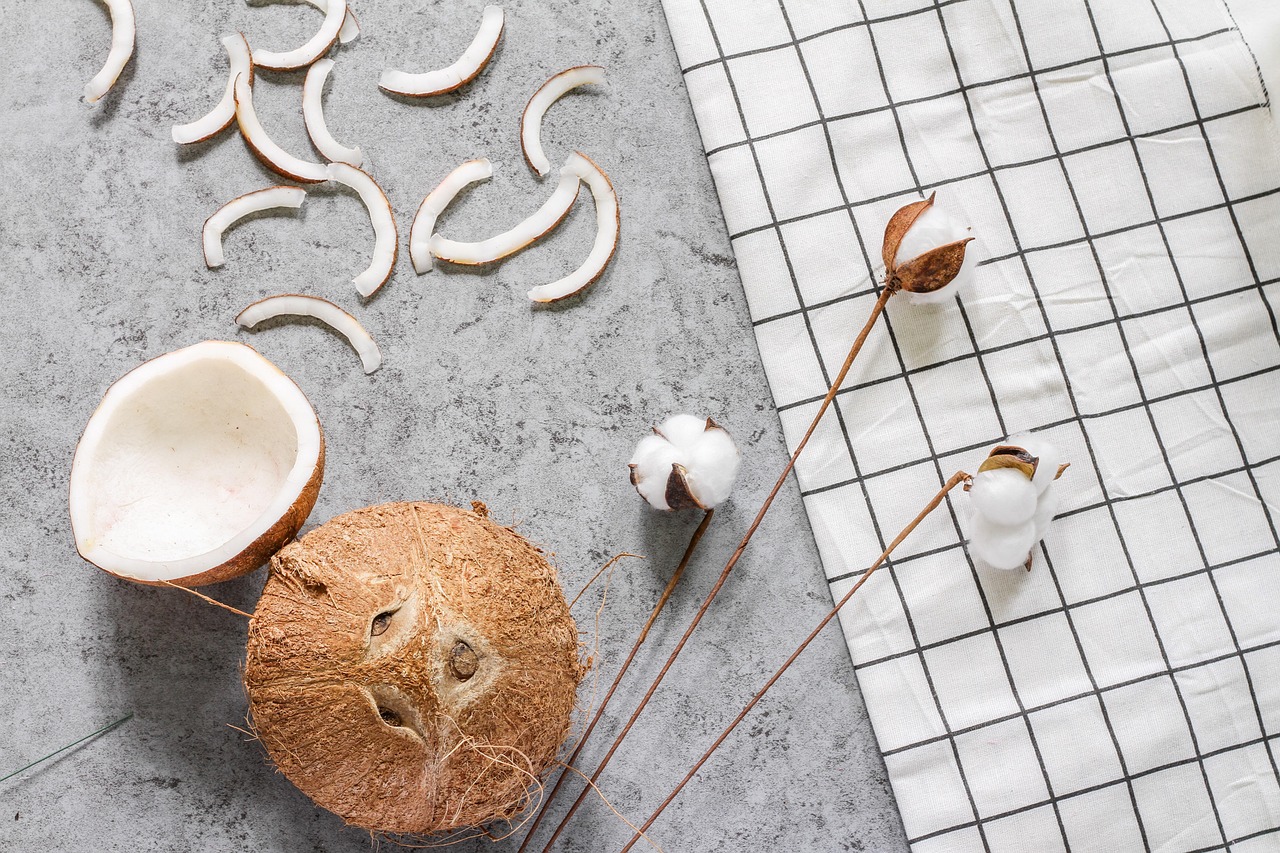
When the Williams family swapped their downtown loft’s stark concrete walls for reclaimed teak panels and hand‑woven jute rugs, the change was unmistakable. Within weeks, the space felt warmer, more inviting, and surprisingly more productive. A recent survey by the Interior Design Association reported a 42% increase in client satisfaction for homes that integrated organic modern elements. The shift from cold minimalism to a softer, nature‑infused aesthetic is no longer a niche; it’s reshaping the industry.
📝 Article Overview
The Current State of organic modern decor (case study)
In early 2024, a boutique hotel in Asheville, North Carolina, embarked on a full‑scale redesign. Owner Maya Patel partnered with design studio GreenLine to replace synthetic upholstery with sustainably sourced linen and to introduce live edge wood fixtures. The result? Guest reviews highlighted a 30% rise in perceived comfort, and occupancy rates climbed from 68% to 81% over six months. This real‑world example mirrors a broader market movement: consumers are demanding interiors that feel both contemporary and connected to nature. Asheville North Carolina
Across the United States, retailers report a surge in demand for furniture that blends clean lines with organic textures. Companies like West Elm and Article have expanded their “Organic Modern” collections, reporting a 25% year‑over‑year sales growth. Meanwhile, smaller artisans see a spike in custom orders for pieces that incorporate reclaimed wood, natural fibers, and earthy color palettes. The market is responding to a collective desire for spaces that are simultaneously sleek and grounded.
| Metric | Current Value | Source Type | Trend |
|---|---|---|---|
| % of homeowners prioritizing sustainable materials | 58% | Industry Survey | Rising |
| Annual growth of organic modern furniture sales | 25% YoY | Retail Reports | Accelerating |
| Average price premium for eco‑friendly décor | $150‑$300 per item | Consumer Price Index | Stable |
| Search interest for “organic modern” (Google Trends) | +68% YoY | Online Data | Increasing |
Organic modern decor Methods Worth Knowing
1. Biophilic Integration
Designers are weaving living plants directly into interiors, from vertical gardens to potted succulents on sleek consoles. The driving force is a growing body of research linking indoor greenery to reduced stress and improved cognition. A 2023 study from the University of Michigan showed a 12% boost in task performance when employees worked in biophilic environments.
- Key Benefits:
- Enhanced air quality
- Visual connection to nature
- Increased occupant wellbeing
2. Reclaimed Wood Accents
Using salvaged timber for shelving, headboards, and accent walls adds texture while reducing waste. The surge in deconstruction projects and online marketplaces for reclaimed materials fuels this trend. Data from the National Wood Recycling Association indicates a 34% rise in reclaimed wood sales in 2023. Using salvaged timber
- Key Benefits:
- Unique grain patterns
- Lower carbon footprint
- Historical narrative embedded in the material
3. Natural Fiber Textiles
Linens, hemp, and organic cotton are replacing polyester and synthetic blends in upholstery and drapery. Consumer demand for hypoallergenic, biodegradable fabrics drives manufacturers to expand their eco‑lineups. Market research shows organic cotton textiles grew 18% globally last year.
- Key Benefits:
- Soft, breathable feel
- Reduced chemical exposure
- Compostable at end of life
4. Earthy Color Palettes
Shades of muted greens, warm terracotta, and soft stone are dominating paint collections. The push comes from a desire to create calming backdrops that complement natural materials. Pantone’s 2024 Color of the Year, “Evergreen Fog,” reflects this shift.
- Key Benefits:
- Creates a cohesive look
- Promotes relaxation
- Versatile across styles
5. Minimalist Form with Organic Detail
Clean, geometric silhouettes are now paired with subtle imperfections—like a hand‑carved edge or a knot in a wooden table. The contrast satisfies the modern appetite for simplicity while honoring craftsmanship. Sales data from Design Within Reach indicates a 22% increase in “hand‑crafted” product lines. Clean geometric silhouettes
- Key Benefits:
- Timeless aesthetic
- Highlights artisan skill
- Balances sleekness with warmth
6. Sustainable Lighting Solutions
LED fixtures encased in bamboo or reclaimed glass are gaining traction. Energy efficiency mandates and consumer eco‑consciousness are the primary drivers. The U.S. Energy Information Administration reports LED lighting now accounts for 75% of residential installations.
- Key Benefits:
- Lower electricity bills
- Longer lifespan
- Reduced environmental impact
Where This Is Headed
In 1 Year
By late 2025, most new construction projects in urban centers will include at least one biophilic element as a standard specification. Builders are responding to zoning incentives that reward green certifications. The immediate impact will be a noticeable increase in indoor plant installations and green walls in office lobbies.
In 3 Years
By 2027, reclaimed material marketplaces are expected to integrate AI‑driven sourcing, making it easier for designers to locate specific wood grades within hours. This efficiency will lower costs and broaden the use of reclaimed wood beyond high‑end projects, seeding widespread adoption across mid‑range residential markets. reclaimed material marketplaces
In 5 Years
By 2029, smart lighting systems will dynamically adjust color temperature to mimic natural daylight cycles, further blurring the line between indoor and outdoor environments. The convergence of wellness tech and organic modern design will position interiors as active contributors to health, not just backdrops.
| Year | Likely Development | Impact Level |
|---|---|---|
| 2025 | Standardized biophilic requirements in new builds | High |
| 2027 | AI‑powered reclaimed material sourcing platforms | Medium |
| 2029 | Circadian‑responsive smart lighting integrated with organic décor | High |
Why This Matters to You
Early adopters of organic modern decor often enjoy higher resale values; homes featuring sustainable materials have sold for up to 7% more in competitive markets.
Integrating natural elements can boost personal wellbeing, with studies linking indoor greenery to lower blood pressure and improved mood. Integrating natural elements
Choosing reclaimed and renewable resources reduces personal carbon footprints, aligning daily living with broader climate goals.
Designing with timeless organic aesthetics minimizes the need for frequent redecorating, saving both time and money over the long term.
Being part of this movement positions homeowners as leaders in community sustainability initiatives, enhancing social reputation. movement positions homeowners
What to Do Right Now
- Audit your current furnishings for salvage potential; repurpose sturdy pieces instead of discarding them. This reduces waste and preserves sentimental value.
- Source at least one natural fiber textile for a high‑traffic area, such as a linen sofa cover or hemp curtains. Natural fabrics improve indoor air quality and durability.
- Introduce a low‑maintenance plant, like a snake plant, to a visible spot. It instantly adds biophilic appeal and requires minimal care.
- Replace a single lighting fixture with an LED unit housed in reclaimed glass or bamboo. The switch cuts energy use while reinforcing the organic aesthetic.
- Consult a local artisan for a reclaimed‑wood accent piece, such as a coffee table or wall shelf. Custom work ensures uniqueness and supports the local economy.
Closing Thoughts
Organic modern decor is more than a fleeting style; it represents a convergence of sustainability, health, and timeless design. As the market matures, the blend of clean lines with natural textures will become a default expectation rather than an exception. Those who act now will shape spaces that feel both current and enduring, benefitting both people and the planet.


Leave a Reply