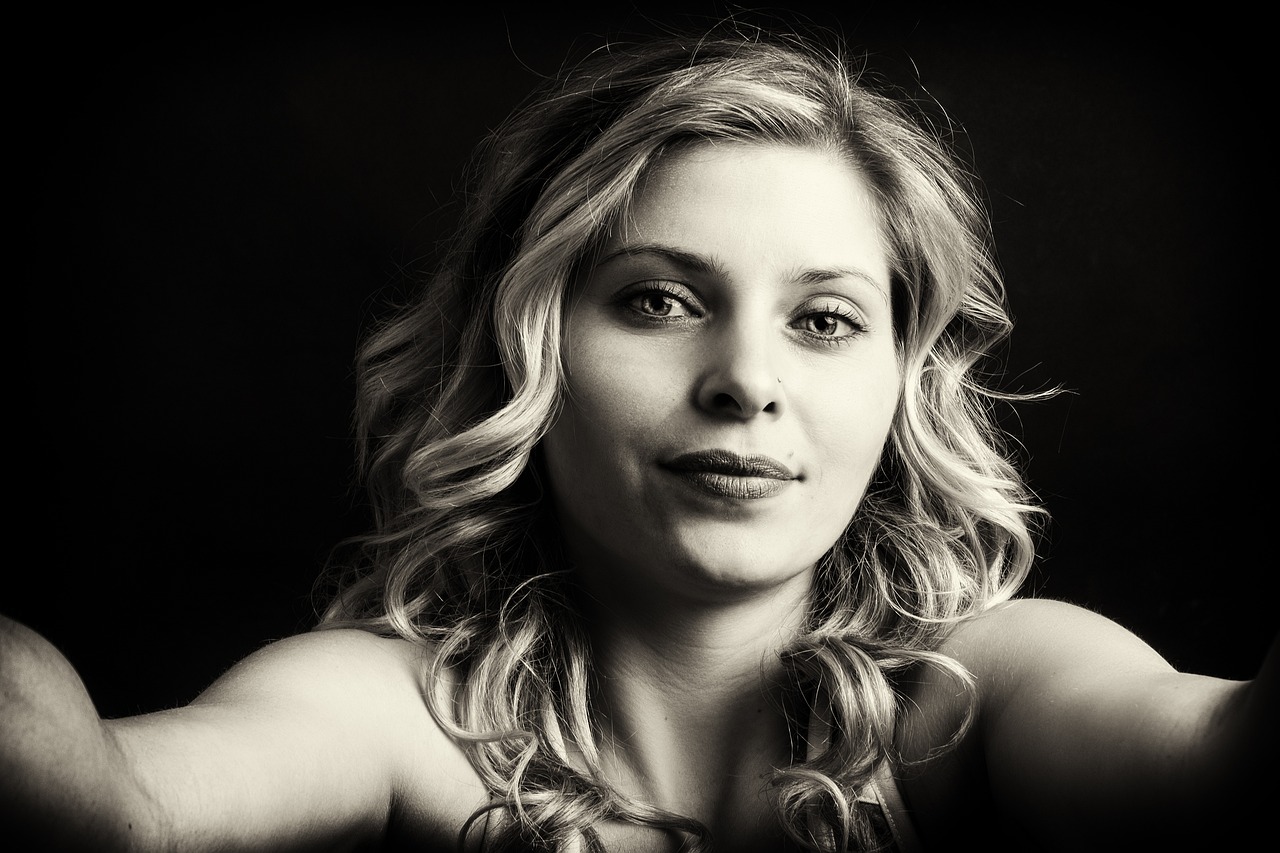
What does it mean to truly express oneself through photography? Can a single image capture the complexity of a person’s emotions, personality, and experiences? Choosing the right approach to self expression photography matters, as it can be the difference between creating a profound connection with the viewer or simply producing a superficial representation. The right technique can help photographers tap into their inner world, revealing the intricacies of their character and the depth of their emotions. With the rise of social media, self expression photography has become a popular means of communication, allowing individuals to share their unique perspective with a global audience. By exploring the world of self expression photography, one can gain a deeper understanding of the medium and its potential for personal growth and creative expression.
📝 Contents
A Closer Look at Self Expression Photography
A key aspect of self expression photography is its ability to transcend traditional notions of photography as merely a representational art form. By embracing the subjective nature of photography, self expression photographers can create images that are not only visually striking but also emotionally resonant. This approach requires a deep understanding of the self and the ability to convey complex emotions and thoughts through the visual language of photography. For instance, the work of photographer Cindy Sherman, known for her conceptual and often unsettling self-portraits, is a prime example of self expression photography in action. Her use of costume, makeup, and setting allows her to explore different personas and challenge societal norms, resulting in a body of work that is both deeply personal and universally relatable.
To better understand the world of self expression photography, it’s essential to consider the key metrics that define this genre. The following table highlights some of the crucial elements to evaluate when exploring self expression photography:
| Photographer | Technique | Equipment | Notable Works |
|---|---|---|---|
| Cindy Sherman | Conceptual self-portraiture | Medium format camera | Untitled Film Stills |
| Richard Avedon | Formal portraiture | Large format camera | In the American West |
| Francesca Woodman | Experimental self-portraiture | 35mm camera | Self-deceit |
| Nan Goldin | Diary-like photography | 35mm camera | The Ballad of Sexual Dependency |
Top Self Expression Photography Innovations to Know
Experimental Self-Portraiture
Experimental self-portraiture involves pushing the boundaries of traditional self-portraiture by incorporating unconventional techniques and mediums. This approach allows photographers to explore new ways of representing the self and challenging societal norms. For example, the work of photographer Francesca Woodman, known for her experimental and often surreal self-portraits, is a prime example of this innovation in action. Her use of long exposures, multiple exposures, and unconventional printing techniques results in images that are dreamlike and deeply personal.
- Why It Works:
- Allows for creative expression and experimentation
- Challenges traditional notions of self-portraiture
- Results in unique and thought-provoking images
Challenges traditional notions
- Hurdles to Overcome:
- Requires a willingness to take risks and experiment with new techniques
- Can be challenging to convey the intended message or emotion
Best for: Photographers looking to push the boundaries of traditional self-portraiture and explore new ways of representing the self.
Conceptual Self-Portraiture
Conceptual self-portraiture involves using the self as a subject to explore complex ideas and concepts. This approach requires a deep understanding of the self and the ability to convey complex emotions and thoughts through the visual language of photography. For instance, the work of photographer Cindy Sherman, known for her conceptual and often unsettling self-portraits, is a prime example of this innovation in action. Her use of costume, makeup, and setting allows her to explore different personas and challenge societal norms, resulting in a body of work that is both deeply personal and universally relatable.
- Why It Works:
- Allows for the exploration of complex ideas and concepts
- Results in thought-provoking and emotionally resonant images
- Challenges societal norms and conventions
- Hurdles to Overcome:
- Requires a deep understanding of the self and the ability to convey complex emotions and thoughts
- Can be challenging to balance the conceptual and emotional aspects of the image
Best for: Photographers looking to explore complex ideas and concepts through the medium of self-portraiture.
Diary-Like Photography
Diary-like photography involves using the camera as a tool for self-expression and documentation, resulting in a body of work that is deeply personal and often autobiographical. This approach requires a willingness to be vulnerable and honest, as well as the ability to convey complex emotions and thoughts through the visual language of photography. For example, the work of photographer Nan Goldin, known for her diary-like photographs, is a prime example of this innovation in action. Her use of the camera as a tool for self-expression and documentation results in images that are both deeply personal and universally relatable.
- Why It Works:
- Allows for the creation of a deeply personal and autobiographical body of work
- Results in images that are emotionally resonant and thought-provoking
- Provides a means of self-expression and documentation
- Hurdles to Overcome:
- Requires a willingness to be vulnerable and honest
- Can be challenging to balance the personal and universal aspects of the image
Best for: Photographers looking to use the camera as a tool for self-expression and documentation.
Formal Portraiture
Formal portraiture involves using the camera to create highly stylized and formal portraits, often incorporating traditional techniques and mediums. This approach requires a deep understanding of the subject and the ability to convey complex emotions and thoughts through the visual language of photography. For instance, the work of photographer Richard Avedon, known for his formal portraits, is a prime example of this innovation in action. His use of a large format camera and a minimalist setting results in images that are both highly stylized and deeply revealing.
- Why It Works:
- Allows for the creation of highly stylized and formal portraits
- Results in images that are deeply revealing and emotionally resonant
- Provides a means of exploring the subject’s personality and character
- Hurdles to Overcome:
- Requires a deep understanding of the subject and the ability to convey complex emotions and thoughts
- Can be challenging to balance the formal and informal aspects of the image
Best for: Photographers looking to create highly stylized and formal portraits that reveal the subject’s personality and character.
Street Photography
Street photography involves using the camera to capture candid and unposed moments of everyday life, often incorporating elements of chance and spontaneity. This approach requires a willingness to be observant and responsive, as well as the ability to convey complex emotions and thoughts through the visual language of photography. For example, the work of photographer Garry Winogrand, known for his street photographs, is a prime example of this innovation in action. His use of a 35mm camera and a spontaneous approach results in images that are both candid and deeply revealing.
- Why It Works:
- Allows for the creation of candid and unposed moments of everyday life
- Results in images that are deeply revealing and emotionally resonant
- Provides a means of exploring the human condition and everyday life
- Hurdles to Overcome:
- Requires a willingness to be observant and responsive
- Can be challenging to balance the candid and posed aspects of the image
Best for: Photographers looking to capture candid and unposed moments of everyday life.
| Option | Best For | Difficulty | Cost | Speed |
|---|---|---|---|---|
| Experimental Self-Portraiture | Photographers looking to push boundaries | High | Low-Moderate | Slow |
| Conceptual Self-Portraiture | Photographers exploring complex ideas | High | Moderate-High | Slow |
| Diary-Like Photography | Photographers seeking self-expression | Moderate | Low | Fast |
| Formal Portraiture | Photographers creating stylized portraits | High | High | Slow |
| Street Photography | Photographers capturing everyday life | Moderate | Low | Fast |
How to Choose the Right One
Choosing the right approach to self expression photography depends on several factors, including the photographer’s goals, style, and subject matter. Understanding the photographer’s vision and intentions is crucial in determining the best approach. For instance, a photographer looking to explore complex ideas and concepts may find conceptual self-portraiture to be the most suitable approach. On the other hand, a photographer seeking to capture candid and unposed moments of everyday life may find street photography to be the most effective method.
Evaluating the subject matter is also essential in choosing the right approach. For example, a photographer working with a subject who is uncomfortable with experimentation may find formal portraiture to be a more suitable approach. In contrast, a photographer working with a subject who is open to experimentation may find experimental self-portraiture to be a more effective method.
Considering the equipment and resources available is also important in choosing the right approach. For instance, a photographer with access to a large format camera may find formal portraiture to be a more suitable approach. On the other hand, a photographer with limited equipment may find diary-like photography to be a more accessible method. large format camera
Assessing the level of difficulty and cost involved is also crucial in choosing the right approach. For example, a photographer who is new to self expression photography may find diary-like photography to be a more accessible and affordable method. In contrast, a photographer who is experienced and has a larger budget may find conceptual self-portraiture to be a more suitable approach.
Determining the desired speed and pace of the photography process is also important in choosing the right approach. For instance, a photographer who needs to work quickly may find street photography to be a more suitable approach. On the other hand, a photographer who has more time to devote to the photography process may find experimental self-portraiture to be a more effective method.
Real-World Benefits
Self expression photography has numerous benefits, including the ability to tap into one’s creativity and imagination. By exploring different approaches and techniques, photographers can discover new ways of expressing themselves and conveying complex emotions and thoughts. For example, a photographer who is struggling with self-doubt may find that experimental self-portraiture helps them to break free from their creative constraints and explore new ways of representing the self.
Another benefit of self expression photography is the ability to challenge societal norms and conventions. By using the camera as a tool for self-expression and documentation, photographers can challenge traditional notions of beauty, identity, and representation. For instance, a photographer who is interested in exploring issues of gender and identity may find that conceptual self-portraiture provides a powerful means of challenging societal norms and promoting social change.
Self expression photography also provides a means of building confidence and self-esteem. By creating images that are deeply personal and emotionally resonant, photographers can develop a greater sense of self-awareness and self-acceptance. For example, a photographer who is struggling with body image issues may find that diary-like photography helps them to develop a more positive and compassionate relationship with their body.
In addition, self expression photography can provide a means of connecting with others and building community. By sharing their work and engaging with other photographers, individuals can build relationships and develop a sense of belonging and connection. For instance, a photographer who is part of a photography collective may find that sharing their work and receiving feedback from others helps them to grow and develop as an artist.
Self expression photography can also provide a means of healing and therapy. By using the camera as a tool for self-expression and documentation, photographers can process and cope with difficult emotions and experiences. For example, a photographer who is struggling with anxiety may find that experimental self-portraiture provides a healthy outlet for their emotions and helps them to develop greater self-awareness and self-regulation.
Finally, self expression photography can provide a means of personal growth and transformation. By pushing the boundaries of traditional photography and exploring new ways of representing the self, photographers can develop a greater sense of purpose and direction. For instance, a photographer who is interested in exploring issues of identity and representation may find that conceptual self-portraiture provides a powerful means of personal growth and transformation.
Key Takeaways
Self expression photography is a powerful medium for capturing one’s true self and emotional depth, allowing individuals to convey their unique perspective and story. By exploring different approaches and techniques, photographers can discover new ways of expressing themselves and conveying complex emotions and thoughts. Ultimately, the key to successful self expression photography is to stay true to one’s vision and intentions, while also being open to experimentation and growth. By embracing this mindset, photographers can create images that are not only visually striking but also emotionally resonant and thought-provoking. The world of self expression photography is diverse and ever-evolving, and by staying curious and open-minded, photographers can continue to push the boundaries of this medium and explore new ways of representing the self.
Through self expression photography, individuals can tap into their creativity and imagination, challenge societal norms and conventions, and build confidence and self-esteem. By sharing their work and engaging with others, photographers can connect with like-minded individuals and build a sense of community and belonging. Whether used as a means of personal expression, healing, or transformation, self expression photography has the power to inspire and uplift, providing a unique and powerful means of capturing the human experience.
As photographers continue to explore and push the boundaries of self expression photography, they will undoubtedly discover new and innovative ways of representing the self and conveying complex emotions and thoughts. By staying true to their vision and intentions, while also being open to experimentation and growth, photographers can create images that are not only visually striking but also emotionally resonant and thought-provoking. The future of self expression photography is bright, and it will be exciting to see how this medium continues to evolve and inspire photographers and audiences alike.


Leave a Reply