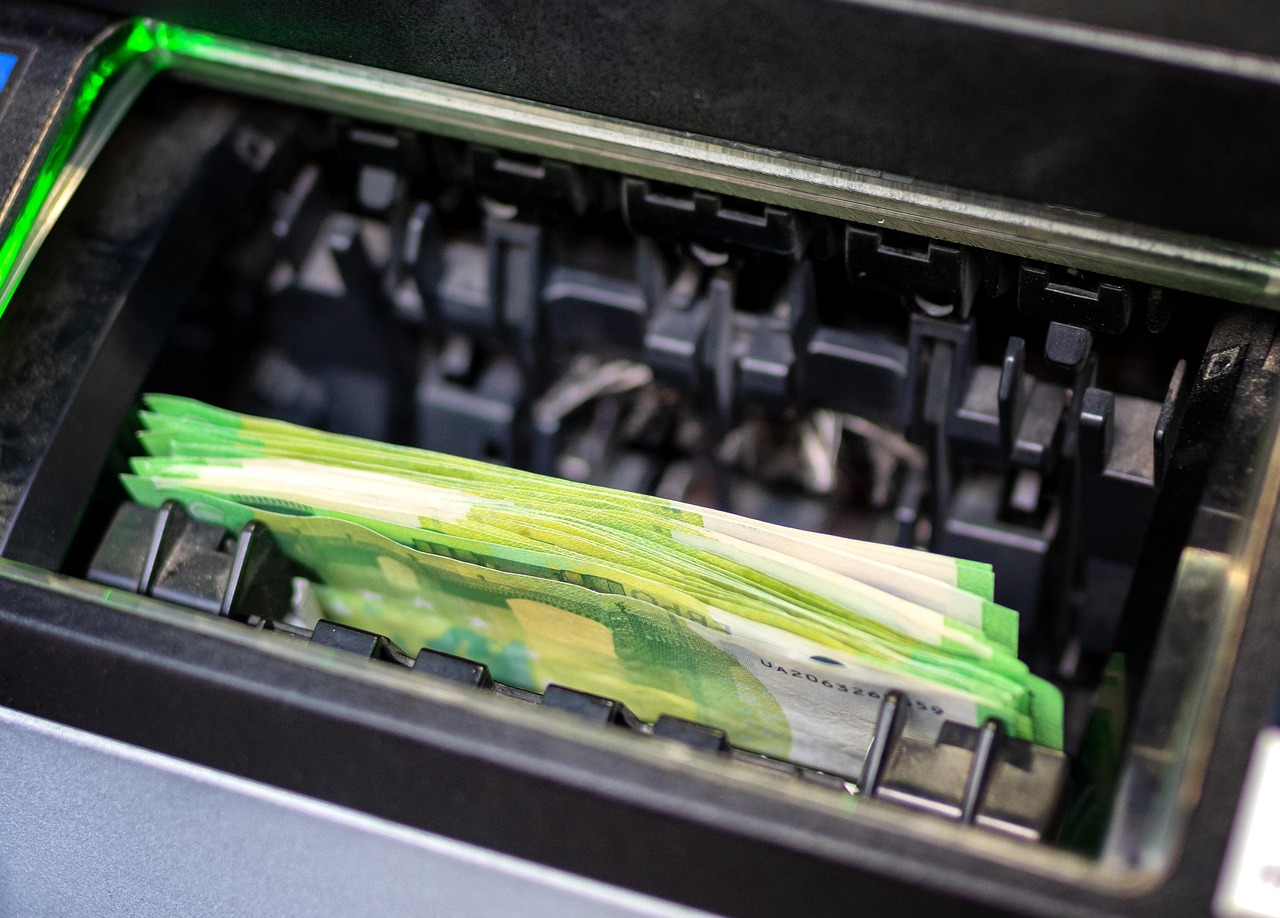
Are manual payment processes causing inefficiencies and errors in your business, leading to wasted time and potential financial losses? Many organizations struggle with the transition to automated payment systems, facing challenges such as data integration issues, security concerns, and difficulty in choosing the right automation tools. Despite these challenges, automating payment processes can significantly enhance financial management, reduce manual errors, and improve overall business efficiency. Manual payment processing can be time-consuming and prone to human error, which can lead to late payments, lost invoices, and strained relationships with suppliers.
📝 Table of Contents
Common Challenges With Defining Payment Automation
Insufficient Data Integration
Insufficient data integration is a common challenge businesses face when implementing payment automation – data integration refers to the process of combining data from different sources into a unified view, which is crucial for seamless payment processing. This issue arises because many businesses have multiple, disparate systems for managing financial data, making it difficult to integrate these systems with payment automation software. As a result, payment information may not be accurately reflected across all systems, leading to inconsistencies and potential payment errors.
Lack of Security Measures
A lack of robust security measures is another significant challenge in payment automation – security measures (protections put in place to safeguard data and prevent unauthorized access) are essential for protecting sensitive financial information. This oversight occurs because some businesses may underestimate the importance of implementing stringent security protocols, such as encryption (the process of converting data into a code to prevent unauthorized access) and secure data storage, which are vital for safeguarding payment data. Without these measures, businesses risk data breaches and financial losses.
Difficulty in Choosing the Right Automation Tools
Choosing the right automation tools for payment processing is also a common challenge – automation tools (software applications designed to automate specific tasks) must be carefully selected based on the business’s unique needs and requirements. This difficulty stems from the vast array of payment automation solutions available, each with its own set of features and capabilities, making it hard for businesses to determine which tool best suits their operations. Without thorough research and analysis, businesses may end up with a tool that does not fully meet their needs, leading to inefficiencies and potential errors. right automation tools
Inadequate Training and Support
Inadequate training and support for payment automation systems is another hurdle businesses face – training and support (educational resources and assistance provided to users of a system) are crucial for ensuring that users can effectively utilize the system. This issue arises when businesses do not invest sufficient time and resources into training their staff on how to use the payment automation software, or when the software vendor does not provide comprehensive support. As a result, users may struggle to navigate the system, leading to mistakes and underutilization of the automation tool.
Non-Compliance with Regulations
Finally, non-compliance with financial regulations is a significant challenge in payment automation – compliance (adherence to laws, regulations, and standards) is essential for avoiding legal and financial repercussions. This problem occurs because payment automation systems must comply with various financial regulations, such as anti-money laundering laws and data protection regulations. Businesses that fail to ensure their payment automation systems are compliant with these regulations risk facing fines, legal action, and damage to their reputation.
Leading Payment Automation Solutions
1. Implementing Automated Payment Processing Software
Implementing automated payment processing software is a leading solution for streamlining financial operations – automated payment processing software (computer programs designed to automate payment transactions) can significantly reduce manual errors and increase efficiency. To implement this solution, businesses should first identify their specific payment processing needs and then select a software that meets those needs. The software should be integrated with existing financial systems, and staff should be thoroughly trained on its use. Additionally, the software should be regularly updated to ensure it remains compliant with the latest financial regulations.
- Why It Works: Automation reduces manual errors, increases processing speed, and improves compliance with financial regulations.
- It enhances the security of payment data through encryption and secure storage.
- It provides real-time payment tracking and reporting, enabling better financial management.
2. Integrating Payment Gateways
Integrating payment gateways is another effective solution for payment automation – a payment gateway (a service that processes credit card transactions and other payment methods) acts as an intermediary between the business and the customer’s bank, facilitating secure payment transactions. To integrate a payment gateway, businesses should choose a reputable provider that supports multiple payment methods and has a robust security framework. The gateway should be integrated with the business’s e-commerce platform and payment processing software, and should be regularly tested to ensure seamless transactions.
- Why It Works: Payment gateways provide a secure and convenient way for customers to make payments online.
- They support various payment methods, including credit cards, PayPal, and bank transfers.
- They offer real-time transaction reporting and alerts for suspicious activity.
3. Utilizing Machine Learning for Fraud Detection
Utilizing machine learning for fraud detection is a cutting-edge solution for enhancing payment security – machine learning (a type of artificial intelligence that enables systems to learn from data without being explicitly programmed) can analyze vast amounts of data to identify patterns and anomalies indicative of fraudulent activity. To implement this solution, businesses should invest in machine learning-powered fraud detection software and integrate it with their payment processing systems. The software should be trained on a dataset of legitimate and fraudulent transactions to improve its accuracy.
- Why It Works: Machine learning algorithms can detect complex fraud patterns that may evade traditional security measures.
- It provides real-time fraud alerts, enabling swift action to prevent losses.
- It continuously learns from new data, improving its fraud detection capabilities over time.
4. Implementing Recurring Payment Options
Implementing recurring payment options is a solution for businesses that offer subscription-based services – recurring payments (automatic, repeated payments made at fixed intervals) can simplify the payment process for both the business and the customer. To implement recurring payments, businesses should select a payment gateway that supports this feature and integrate it with their billing system. Customers should be clearly informed about the recurring payment terms and given the option to cancel or modify their subscription at any time.
- Why It Works: Recurring payments reduce the administrative burden of manual invoicing and payment tracking.
- They improve cash flow predictability, enabling better financial planning.
- They enhance customer convenience, reducing the likelihood of missed payments.
5. Enhancing Payment Transparency
Enhancing Payment Transparency
Enhancing payment transparency is a solution for building trust with customers and suppliers – payment transparency (clear and open communication about payment terms, timelines, and processes) is essential for fostering strong business relationships. To enhance payment transparency, businesses should provide clear and detailed invoices, offer real-time payment tracking, and maintain open communication channels for payment-related queries.
- Why It Works: Payment transparency reduces disputes and misunderstandings about payments.
- It improves supplier and customer satisfaction, leading to stronger business relationships.
- It enables businesses to identify and address payment issues promptly, minimizing delays.
6. Regularly Auditing Payment Systems
Regularly auditing payment systems is a crucial solution for ensuring the integrity and security of payment processes – a payment audit (a thorough examination of payment processes and systems to identify errors, inefficiencies, and security vulnerabilities) can help detect and rectify issues before they cause significant problems. To conduct a payment audit, businesses should engage a qualified auditor who can review payment processes, test system security, and evaluate compliance with financial regulations. The audit should be performed regularly, with recommendations implemented promptly to maintain the integrity of the payment system.
- Why It Works: Regular audits detect and prevent payment errors and security breaches.
- They ensure compliance with financial regulations, reducing the risk of legal repercussions.
- They identify areas for process improvement, leading to increased efficiency and reduced costs.
| Approach | Old Way | Better Way | Result |
|---|---|---|---|
| Payment Processing | Manual invoicing and payment tracking | Automated payment processing software | Reduced manual errors, increased efficiency |
| Security Measures | Basic encryption and firewalls | Advanced encryption, secure data storage, and regular security audits | Enhanced protection of payment data, reduced risk of breaches |
| Payment Gateways | Single payment method support | Multi-payment method support with real-time transaction reporting | Increased customer convenience, improved transaction tracking |
| Fraud Detection | Manual review of transactions | Machine learning-powered fraud detection software | Improved detection of complex fraud patterns, reduced false positives |
| Recurring Payments | Manual invoicing for recurring payments | Automated recurring payment options with clear customer communication | Reduced administrative burden, improved cash flow predictability |
Real-World Benefits
A company that implemented automated payment processing software saw a significant reduction in manual errors, from 10% to less than 1%, resulting in cost savings and improved supplier relationships. The automation also enabled the company to process payments 50% faster, enhancing its overall financial efficiency.
Another business that integrated a payment gateway supporting multiple payment methods experienced a 20% increase in customer satisfaction, attributed to the convenience and flexibility of the new payment options. The business also saw a reduction in payment disputes, thanks to the gateway’s real-time transaction reporting.
A firm that utilized machine learning for fraud detection reported a 90% reduction in false positives, allowing it to focus on genuine fraud threats. The machine learning algorithm also detected several complex fraud patterns that had evaded the firm’s traditional security measures, preventing significant financial losses.
A subscription-based service provider that implemented recurring payment options saw a 15% increase in customer retention, as customers appreciated the convenience of automatic payments. The provider also experienced improved cash flow predictability, enabling better financial planning and investment in growth initiatives. subscriptionbased service provider
A business that enhanced payment transparency by providing clear invoices and real-time payment tracking reported a 30% reduction in payment-related queries and disputes. The transparency also led to stronger relationships with suppliers, who appreciated the prompt and clear communication regarding payments.
Step-by-Step Action Plan
- Assess current payment processes to identify inefficiencies and areas for improvement, which is essential for determining the best automation strategies. This step is crucial because it lays the foundation for all subsequent actions, ensuring that efforts are focused on the most critical issues.
- Research and select a suitable payment automation software that meets the business’s specific needs, considering factors such as scalability, security, and integration capabilities. This step is vital because the chosen software will be the backbone of the payment automation system, affecting its overall performance and efficiency.
- Integrate the payment automation software with existing financial systems, ensuring seamless data exchange and minimizing disruptions to current processes. This integration is important because it enables the automation software to use existing data and systems, maximizing its effectiveness and reducing the need for redundant data entry.
- Implement robust security measures, including advanced encryption and secure data storage, to protect sensitive payment information. This step is critical because it safeguards the business and its customers from data breaches and financial losses, maintaining trust and integrity in the payment process.
- Train staff on the use of the payment automation software and the importance of maintaining payment security and transparency. This training is essential because it ensures that users can effectively utilize the system, minimizing errors and maximizing its benefits, while also understanding the critical role they play in safeguarding payment data.
- Regularly review and update payment processes and systems to ensure they remain efficient, secure, and compliant with financial regulations. This ongoing review is necessary because the payment landscape is constantly evolving, with new technologies, threats, and regulations emerging, requiring businesses to adapt and improve their payment systems to stay ahead.
- Monitor customer and supplier feedback regarding payment processes, using this feedback to identify areas for improvement and implement changes that enhance the payment experience. This step is valuable because it provides insights into the real-world impact of the payment system, highlighting opportunities to increase satisfaction, build trust, and ultimately drive business growth through improved payment processes.
Worth Remembering
Payment automation is a powerful tool for streamlining financial operations, but its effectiveness depends on careful planning, implementation, and maintenance. By understanding common challenges, leveraging leading solutions, and following a step-by-step action plan, businesses can harness the full potential of payment automation to reduce errors, increase efficiency, and improve relationships with customers and suppliers. As the financial landscape continues to evolve, embracing payment automation and continually improving payment processes will be key to staying competitive and achieving long-term success. Looking forward, the integration of emerging technologies, such as blockchain and artificial intelligence, into payment systems is expected to further transform the financial sector, offering new opportunities for innovation and growth.


Leave a Reply