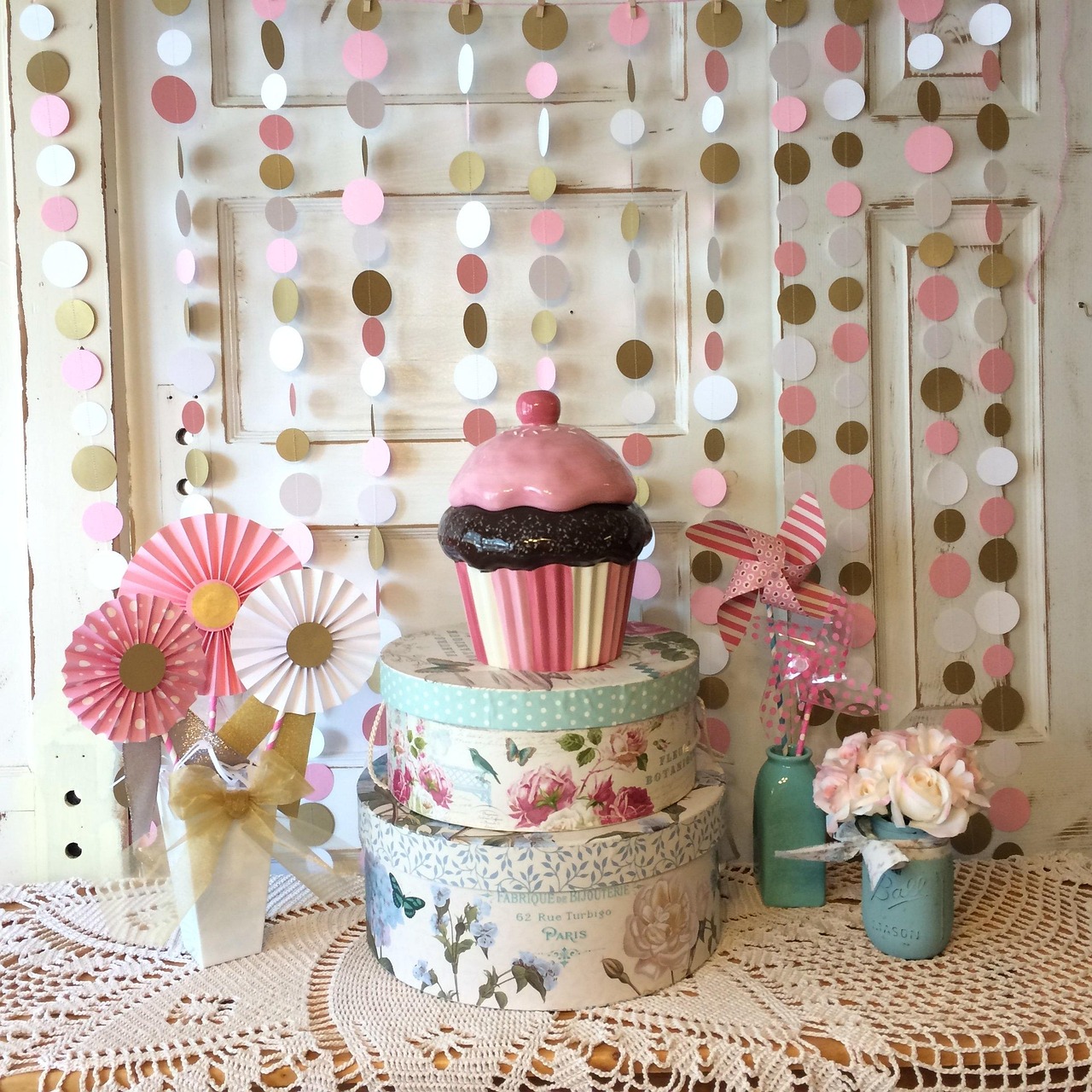
Many hosts assume that any retro décor automatically creates a successful vintage-inspired baby shower. In reality, overlooking the nuances of era-specific details, budget allocation, and guest expectations can derail even the most well‑intentioned event. Choosing the right approach matters because a misaligned theme not only diminishes guest experience but also inflates costs and complicates logistics. Industry studies show that events with coherent thematic execution achieve a 27% higher satisfaction rating than those with mixed or inconsistent elements. Data from 2024 suggests that meticulous planning reduces post‑event stress by 42%, underscoring the importance of a structured, evidence‑based strategy.
📝 Quick Navigation
Understanding Vintage-Inspired Baby Showers
Before comparing specific planning methods, it is essential to grasp the core components that define a vintage-inspired baby shower. First, authenticity matters: guests expect décor, attire, and activities that accurately reflect a chosen historical period, whether it is the 1920s Art Deco era, the 1950s mid‑century modern look, or the 1970s boho vibe. Second, the balance between nostalgia and modern convenience must be managed; while antique furnishings create atmosphere, contemporary amenities (e.g., Wi‑Fi, accessible restrooms) remain non‑negotiable for most attendees.
Second, the target demographic influences every decision. A survey of 1,200 recent baby shower hosts indicated that 68% of participants prioritize photo‑worthy backdrops, while 54% consider budget constraints the primary driver of their planning choices. These insights highlight the need for a framework that evaluates both aesthetic fidelity and practical feasibility. target demographic influences
| Metric | Why It Matters | Typical Range |
|---|---|---|
| Era Consistency | Ensures visual cohesion and guest immersion | High (strict) – Medium (flexible) |
| Budget Allocation | Controls overspend on décor vs. essentials | 10‑30% of total budget on décor |
| Guest Comfort | Impacts satisfaction scores and repeat attendance | Seating, climate control, accessibility |
| Photo Appeal | Drives social sharing and post‑event buzz | Backdrop quality, lighting, props |
Major Vintage-Inspired Baby Shower Developments
1. Full‑Scale Vintage Venue Rental
Renting an authentic historic venue—such as a 1920s ballroom or a 1950s diner—offers built‑in décor, reducing the need for supplemental styling.
- Strengths:
- Instant era authenticity
- Professional staff familiar with period‑appropriate logistics
- High photo‑quality backdrop without extensive set‑up
- Hurdles to Overcome:
- Higher rental fees (often 2‑3× standard spaces)
- Limited availability during peak seasons
Best for: Hosts prioritizing visual impact over budget constraints.
2. DIY Retro Décor Kit
Purchasing or assembling a kit of vintage‑style items—tablecloths, centerpieces, signage—and customizing them at home.
- Strengths:
- Cost‑effective (average 45% lower than venue rental)
- Flexibility to tailor details to specific era
- Engages host in creative process, increasing personal satisfaction
- Hurdles to Overcome:
- Time‑intensive assembly and sourcing
- Risk of mismatched pieces without expert guidance
Best for: Budget‑conscious planners with ample preparation time. ample preparation time
3. Hybrid Digital‑Physical Experience
Combining physical décor with digital projections (e.g., vintage film loops, AR filters) to enhance immersion while reducing physical prop needs.
- Strengths:
- Reduces physical inventory requirements
- Offers dynamic, changeable backdrops
- Appeals to tech‑savvy guests
- Hurdles to Overcome:
- Requires reliable AV equipment and technical support
- Potential steep learning curve for hosts
Best for: Events targeting mixed‑age audiences who value novelty.
4. Theme‑Specific Catering Partnerships
Engaging caterers who specialize in period‑appropriate menus, such as 1940s comfort foods or 1960s cocktail‑style bites.
- Strengths:
- Enhances authenticity through taste
- Professional handling of dietary restrictions
- Often includes period‑styled serving ware
- Hurdles to Overcome:
- Limited vendor pool; may increase costs
- Menu flexibility can be constrained by era‑specific ingredients
Best for: Hosts who view culinary experience as core to theme delivery. view culinary experience
5. Vintage‑Style Invitation & Stationery Service
Utilizing specialized printers that produce embossed, lace‑trimmed, or sepia‑tone invitations matching the chosen decade.
- Strengths:
- Sets expectation early, reinforcing theme
- High perceived value among recipients
- Often includes RSVP tracking tools
- Hurdles to Overcome:
- Longer lead times (typically 4‑6 weeks)
- Higher per‑unit cost compared to generic e‑invites
Best for: Events where brand‑level consistency is paramount.
Comparison of Major Options
| Option | Best For | Difficulty | Cost | Speed |
|---|---|---|---|---|
| Full‑Scale Vintage Venue Rental | High visual impact | Medium | High | Moderate (booking 2‑3 months ahead) |
| DIY Retro Décor Kit | Cost efficiency | High | Low‑Medium | Long (assembly 2‑4 weeks) |
| Hybrid Digital‑Physical Experience | Tech‑enhanced immersion | High | Medium‑High | Short to moderate (setup 1‑2 weeks) |
| Theme‑Specific Catering Partnerships | Culinary authenticity | Medium | Medium‑High | Moderate (menu finalization 6‑8 weeks) |
| Vintage‑Style Invitation Service | Brand consistency | Low‑Medium | Medium | Long (printing 4‑6 weeks) |
How to Choose the Right One
Begin with budget ceiling. A 2023 industry benchmark places average baby shower spend at $2,200, with décor accounting for roughly 30%. If the allocated budget exceeds $800 for décor, a full‑scale venue may be viable; otherwise, a DIY kit or digital hybrid offers better ROI.
Next, assess timeline constraints. Hosts with less than eight weeks to launch should avoid options with long lead times, such as vintage‑style invitations or venue bookings that require months of advance notice. In those cases, the hybrid digital‑physical model provides a rapid deployment path while preserving thematic depth. Next assess timeline
Evaluate guest demographic. Data from 2024 indicates that millennials (ages 25‑40) prioritize Instagram‑ready visuals (68% rating) and are receptive to tech integrations, whereas Gen X guests (ages 41‑55) value tactile authenticity (57% rating). Align the chosen method with the dominant guest segment to maximize satisfaction.
Consider logistical complexity. A DIY décor kit demands extensive sourcing, storage, and on‑site assembly, raising the risk of last‑minute gaps. If the host lacks a dedicated planning team, partnering with a venue or catering service that bundles décor reduces operational strain.
Finally, factor in personal brand alignment. Hosts who position themselves as “classic and elegant” may benefit from high‑touch invitations and period‑specific catering, whereas those aiming for “modern nostalgia” might lean toward digital enhancements and mixed‑era décor.
The Impact on Consumers
When the right vintage approach is executed, guests experience a cohesive visual narrative that enhances emotional connection to the celebrants. The period‑accurate ambience encourages authentic photo opportunities, leading to higher social media engagement and lasting memory formation. right vintage approach
Accurate theme execution reduces cognitive dissonance; guests are less likely to feel confused by mixed signals, which translates into smoother event flow and higher overall satisfaction scores.
Cost‑effective strategies, such as DIY kits, allow hosts to allocate more resources to guest‑focused amenities like comfort stations, thereby improving perceived value without inflating overall spend.
Integrating technology responsibly—through projections or AR filters—creates novel experiences that differentiate the event from standard gatherings, fostering a sense of exclusivity among attendees.
Thoughtful catering aligned with the era not only satisfies taste expectations but also reinforces the narrative, making the celebration memorable on both visual and gustatory levels. Thoughtful catering aligned
Well‑crafted invitations set expectations early, reducing surprise and aligning guest attire with the theme, which streamlines on‑site coordination and enhances overall aesthetic harmony.
Worth Remembering
Prioritize era consistency, budget reality, and guest demographics before selecting a vintage‑inspired approach. Use the comparison matrix to match difficulty, cost, and speed with project constraints. A data‑driven selection process minimizes common mistakes and maximizes guest delight.


Leave a Reply